

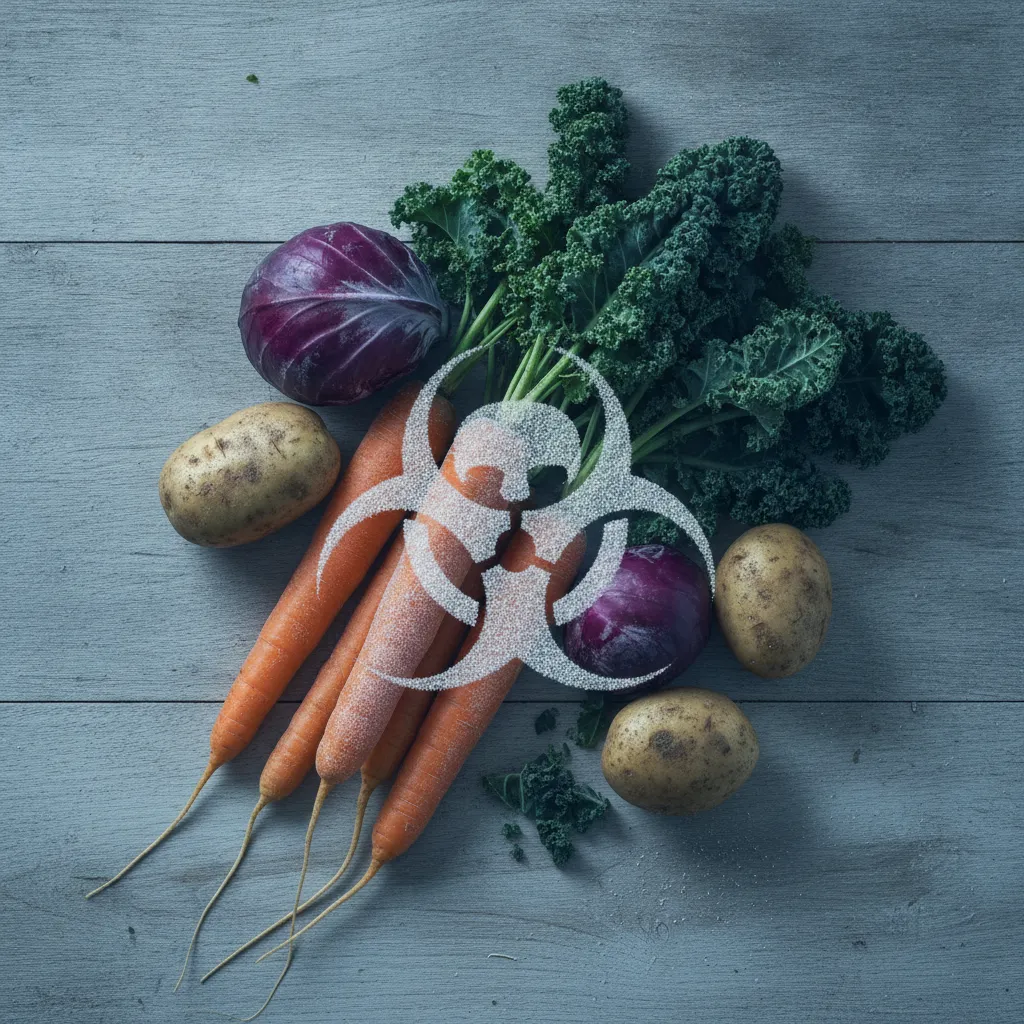

The EPA did something this summer that should have been front-page news. It wasn't. Quietly, with no fanfare and no public announcement worth writing home about, the agency approved three pesticides that belong to the PFAS family. Yes. Forever chemicals. On your food. The same class of compounds that has been found in drinking water, blood samples, and breast milk from people all over this country. The EPA just said: more, please.
Wait, What Are PFAS Again?
PFAS stands for per- and polyfluoroalkyl substances. They are a massive class of synthetic chemicals, more than 12,000 of them, built around an extremely strong carbon-fluorine bond that essentially does not break down in the environment or in your body. That is why they are called forever chemicals. They accumulate. In soil, in water, in animals, in you. They have been linked to a pretty alarming list of health concerns: kidney and testicular cancer, thyroid disruption, immune suppression, hormone interference, and elevated cholesterol. The evidence is strong enough that the EPA itself set a drinking water limit for some PFAS compounds at four parts per trillion in 2024. Four parts per trillion. That is how seriously they are supposed to take this. And then, in the same breath, the agency turned around and approved three PFAS-based pesticides for use on American crops.
What the EPA Actually Did
According to reporting from the Environmental Working Group, the EPA approved these three PFAS-containing pesticides without the kind of scrutiny or public attention a decision like this deserves. EWG describes them as being released onto America's food supply, and that framing is accurate. When pesticides are approved for use on crops, residues end up in food. That is not a theory; it is how the system works. The approvals happened in early July 2026. No press conference. No major media cycle. Just a regulatory action buried in the machinery of an agency that is supposed to protect public health but has, for decades, consistently found ways to protect industry instead. I want to be precise here because I think precision matters: EWG is an advocacy organization, and I always say you should check the receipts. But this story is based on EPA regulatory filings, which are public record. The agency made this call. That part is not in dispute.
This Is Not an Accident. It Is a Pattern.
Here is the part that makes my blood pressure go up. We have been fighting forever chemicals in drinking water for years. Communities across the country, especially near military bases and manufacturing plants, have been dealing with contaminated water supplies. Children with PFAS in their blood. Women miscarrying at higher rates. Thyroid problems. Immune issues. Congress has held hearings. States have sued. It has been a whole thing. And the EPA's answer, apparently, is to add more PFAS to the food supply via pesticide application. This is the agency that is supposed to evaluate whether a chemical is safe before it gets used on our food. The same agency that has a history of setting safety thresholds partly based on data supplied by the chemical manufacturers themselves. The same regulatory framework that allowed glyphosate, the active ingredient in Monsanto's Roundup weedkiller (now owned by Bayer), to be sprayed on everything for decades while the evidence of harm piled up. The same structure that has let hundreds of additives, dyes, and chemicals remain in American food that are flat-out banned in Europe. At some point you have to ask: who is this agency actually working for?
PFAS in Pesticides Is Not a New Concern
To be fair, not every pesticide that contains fluorinated chemistry is identical to the PFAS compounds that have gotten the most research attention, like PFOA or PFOS. The PFAS category is enormous, and not all of them have the same toxicity profile or the same persistence. Researchers and regulators genuinely disagree about how to classify and evaluate the full family. But that is exactly the problem. We do not have long-term safety data on most of them. That is the whole reason the precautionary principle exists. When you have a class of chemicals known for being essentially indestructible in the environment, known for accumulating in human tissue, and known in their best-studied members to cause serious harm, the default should not be "approve first, study later." Especially not on food crops. U.S. Right to Know has documented the growing body of research linking PFAS exposure to multiple sclerosis, particularly in women, in addition to the cancer and hormone disruption links that have been established for years. The evidence base keeps expanding. The approvals keep coming.
What You Can Actually Do
I am not going to sit here and tell you to panic. Panic does not feed your family real food. But I am also not going to tell you this is fine, because it is not fine. Here is what I think matters right now: First, buy organic where you can, especially for the produce your family eats the most. Certified organic certification prohibits synthetic pesticides. It is not a perfect system, and yes, organic can cost more. But if you are prioritizing, this is one of the real reasons to do it. Second, pay attention to where your food comes from. Local farmers who grow regeneratively often use far fewer synthetic inputs, and you can ask them directly. That relationship matters. Third, make noise. Call your representatives. Support organizations doing the legal and investigative work to hold these agencies accountable. Comment on EPA regulatory dockets when they are open. Most people do not know those exist. They do, and your comment goes into the public record. Fourth, support the push for real food transparency. Whether that is labeling reform, stronger pesticide residue testing, or holding the EPA and FDA accountable when they make decisions like this one in the dark, it all matters. God made this body and handed it to me to take care of. I take that seriously. I am not going to shrug and let a captured regulatory agency make those decisions for me without at least raising my voice about it.
The Bigger Picture
The MAHA movement, whatever you think of the politics around it, is asking the right questions. Why does our food supply look so different from other developed countries? Why are Americans sicker, fatter, and more medicated than almost any comparable population on earth while we have the most "regulated" food system in the world? Why do our regulatory agencies keep making decisions that benefit the companies they are supposed to be watching? Three PFAS-based pesticides approved for your food in the middle of the summer with no headlines is a small story. But it is also the whole story, in miniature. This is how it works. Quietly. Consistently. And in the direction of whoever is paying the lobbyists. I will keep talking about it as long as they keep doing it. --- This article is for general informational purposes only and is not medical advice. Always consult a qualified healthcare professional before making changes to your diet or health routine.
Key Takeaways
- The EPA approved three PFAS-containing pesticides for use on U.S. food crops in July 2026, with little public notice or media coverage.
- PFAS are a class of synthetic compounds that do not break down in the environment or the human body and have been linked to cancer, hormone disruption, immune suppression, and other serious health concerns.
- The PFAS category is large and not every member has identical toxicity, but the lack of long-term safety data on most of them is itself the problem.
- Buying organic, sourcing from local regenerative farmers, and making your voice heard in the regulatory process are concrete steps you can take.
- This decision fits a well-documented pattern of regulatory capture where U.S. food and pesticide agencies consistently favor industry over public health.
Sources

 Pamela Ferdinand
 Stacy Malkan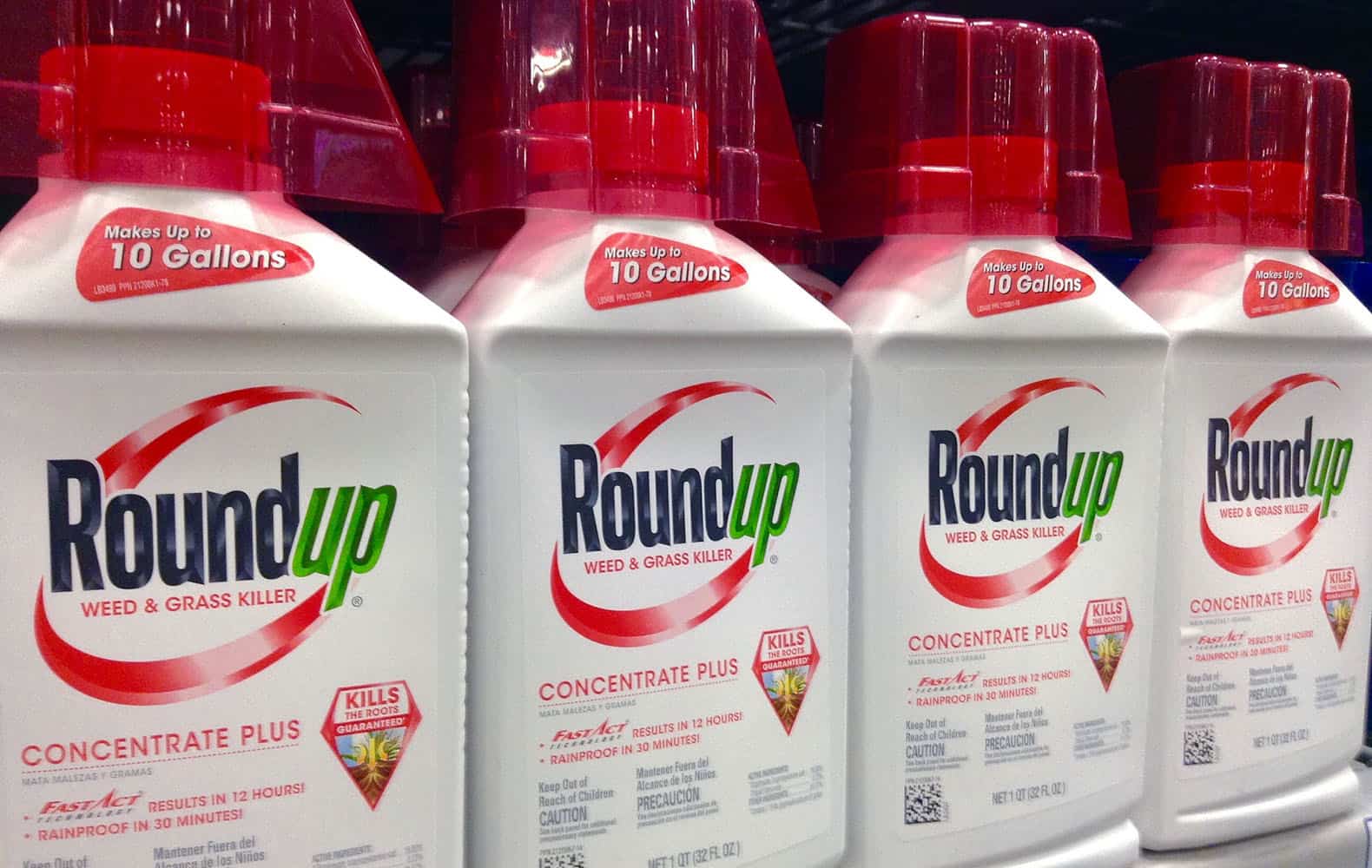
This article is for general informational purposes only and is not medical advice. Always consult a qualified healthcare professional before making changes to your diet or health routine.




Join the conversation
What do you think?
Free members can comment, reply and like. It takes ten seconds.