
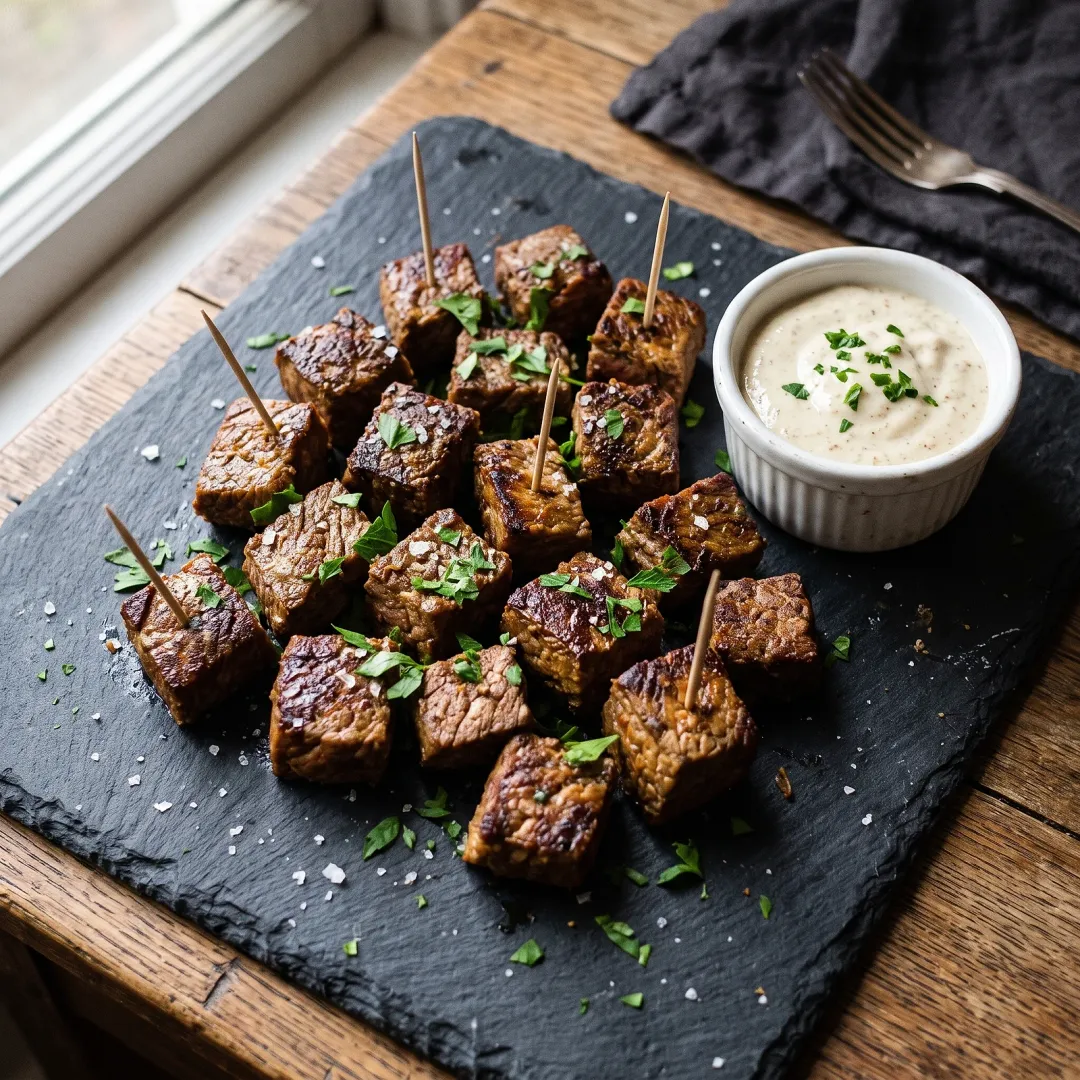

Nobody at your party is going to guess these little beef bites sat in a brine on your counter for three days. They are going to be too busy reaching for a second toothpick. That is the magic of fermentation. It does something to beef that no marinade, no spice rub, no fancy technique can fully replicate. The flavor goes deeper. The texture softens in this subtle, almost buttery way. And then you hit it with a screaming hot cast iron and get that crust, and the whole thing just works. Fermented foods have been part of human diets for thousands of years. We did not need a trend to tell us. This is literally how people preserved food before refrigerators existed, and their guts were probably a lot better for it. Research published in the journal Cell (Wastyk et al., 2021) found that a diet high in fermented foods increased microbiome diversity and decreased markers of inflammation. That is a real finding, and it matters. But honestly, even if none of that were true, I would still make these because they taste incredible. The dip is a straight-up knockout. Horseradish and stone-ground mustard with a little paleo mayo base. Bold, sharp, and creamy without a drop of dairy. It is the kind of thing you want to put on everything. A note on the fermentation: do not rush it. Two days is the minimum. Five days is where the real personality shows up. Use filtered water (chlorine kills the beneficial bacteria you are trying to cultivate), use good sea salt, and keep your jar somewhere consistently warm. That is it. The process takes care of itself.
Nutritional Benefits
Probiotic Potential from Lacto-Fermentation
- The lacto-fermentation process may introduce beneficial live bacteria to the beef. Research suggests fermented foods are linked to improved gut microbiome diversity (Wastyk et al., Cell, 2021).
- A diverse gut microbiome is associated with better digestive health and overall wellbeing, according to research summarized by the National Institutes of Health (NIH Human Microbiome Project).
- Using raw apple cider vinegar with the mother as a brine booster adds naturally occurring enzymes and may support the fermentation environment.
High-Quality Protein from Grass-Fed Beef
- Beef sirloin is a lean, complete protein source providing all essential amino acids the body needs for muscle maintenance and repair (USDA FoodData Central).
- Grass-fed beef contains higher levels of omega-3 fatty acids and conjugated linoleic acid (CLA) compared to conventionally raised beef, according to a review published in Nutrition Journal (Daley et al., 2010).
- With approximately 22 grams of protein per serving, these bites are genuinely satisfying, not just appetizer-cute.
Clean Fats from Avocado Oil
- Avocado oil is rich in monounsaturated oleic acid, the same fat found in olive oil, and has a high smoke point that makes it ideal for high-heat searing without oxidizing (USDA FoodData Central).
- Seed and vegetable oils (canola, soybean, sunflower) are skipped entirely in this recipe in favor of avocado oil, keeping the fat profile cleaner.
- The paleo-compliant mayo in the dip also uses avocado oil, so there are no hidden industrial oils sneaking into the dish.
Garlic and Spices with Real Purpose
- Garlic contains allicin and other organosulfur compounds that research has linked to supporting cardiovascular health and immune function (National Center for Complementary and Integrative Health, NIH).
- Black pepper contains piperine, which research suggests may enhance the absorption of other nutrients when consumed together (Shoba et al., Planta Medica, 1998).
- Coriander seeds have been studied for their potential antioxidant properties (Msaada et al., Journal of Food Science, 2009).
FAQs
Is fermented beef safe to eat?
Lacto-fermented beef has been consumed for centuries across many cultures. The salt brine creates an acidic environment that inhibits harmful bacteria while allowing beneficial lactobacillus strains to thrive. That said, food safety matters. Use clean equipment, filtered water, keep the beef submerged below the brine at all times, and trust your senses. A tangy, briny, savory smell is good. Anything putrid is not. If you are immunocompromised or pregnant, talk to your doctor before consuming fermented foods.
What cut of beef works best for this recipe?
You want a lean, firm cut that holds its shape through the ferment and the sear. Sirloin tip and eye of round are both great. Avoid anything too fatty or heavily marbled for the fermentation step, as the fat can go rancid during the process. Save the ribeye for the grill.
My brine has a white film on top. Is that mold?
Most likely it is kahm yeast, which is a harmless, flat, white film that sometimes develops on the surface of lacto-ferments. It is not dangerous, but it can impart a slightly off flavor if left too long. Just skim it off with a clean spoon and make sure your beef stays submerged. Fuzzy, raised mold in pink, green, or black is a different story. Toss that batch and start fresh.
Can I skip the searing and serve the beef cold after fermenting?
Technically yes, but I would not. The sear adds a whole dimension of flavor and texture that the cold fermented meat on its own does not have. The caramelized crust against the tangy interior is the whole point. Take the extra ten minutes. It is worth it.
How far in advance can I make the dip?
The horseradish mustard dip keeps well in the fridge for up to five days in a sealed jar. The flavors actually meld and improve after a few hours. Make it at the beginning of your fermentation window and it will be perfectly ready when your beef is done.
Is this recipe Whole30 compliant?
Yes, with one caveat: check your labels. The prepared horseradish, stone-ground mustard, and paleo mayo all need to be free of added sugar, grains, and compliant with Whole30 standards. Primal Kitchen mayo is a reliable Whole30-approved option. When in doubt, flip the jar and read every ingredient.
If you make these, I really want to hear how they went. Drop a comment below and let me know how many days you let them ferment and what your crowd thought. And if you are new to fermentation and this felt a little intimidating, please do not let it be. It is salt water and time. You have got this. Pin this one to your appetizer board and tag me when you make it.
Tangy Fermented Beef Bites with Horseradish Mustard Dip
Tender, lacto-fermented beef bites with a punchy horseradish mustard dipping sauce. Strictly paleo, deeply flavorful, and genuinely good for your gut. Party food that actually does something for you.
Ingredients
- 1.5 lbs beef sirloin tip or eye of round, sliced into 1-inch cubes
- 1 tablespoon fine sea salt (for the brine, not table salt)
- 2 cups filtered water (chlorine-free is important for fermentation)
- 4 cloves garlic, smashed
- 1 teaspoon whole black peppercorns
- 1 teaspoon whole coriander seeds
- 1/2 teaspoon red pepper flakes
- 2 bay leaves
- 1 tablespoon apple cider vinegar (raw, with the mother)
- 1 tablespoon avocado oil (for searing)
- Fresh flat-leaf parsley, roughly chopped, to garnish
- Flaky sea salt, for finishing
- FOR THE HORSERADISH MUSTARD DIP:
- 3 tablespoons prepared horseradish (check label: no added sugar or seed oils)
- 2 tablespoons stone-ground mustard (check label: gluten-free, no fillers)
- 2 tablespoons avocado oil mayo (paleo-compliant brand like Primal Kitchen)
- 1 teaspoon raw apple cider vinegar
- 1/4 teaspoon garlic powder
- Pinch of sea salt and black pepper
Instructions
- FERMENT THE BEEF (2 to 5 days ahead): Make the brine by dissolving 1 tablespoon fine sea salt in 2 cups of filtered water. Stir until fully dissolved.
- Pack the beef cubes into a clean quart-size glass mason jar. Add the smashed garlic, black peppercorns, coriander seeds, red pepper flakes, and bay leaves.
- Pour the brine over the beef, making sure the beef is fully submerged. Add the tablespoon of apple cider vinegar. Use a small weight or zip-lock bag filled with extra brine to press the beef below the liquid line.
- Cover the jar loosely with a lid or cloth (do not seal airtight) and set on the counter at room temperature (68 to 75 degrees F is ideal) for 2 to 5 days. Taste starting at day 2. At 2 days you get a mild, lightly tangy flavor. By day 4 to 5 it is bolder and more sour. Trust your nose: it should smell pleasantly tangy and savory, like a good deli pickle. If anything smells off or you see fuzzy mold (a white film is normal kahm yeast and can be skimmed), discard and start fresh.
- Once the ferment is to your liking, drain the beef from the brine and pat the cubes very dry with paper towels. Cold and dry is the key to a good sear.
- MAKE THE DIP: Whisk together the prepared horseradish, stone-ground mustard, avocado oil mayo, apple cider vinegar, garlic powder, salt, and pepper in a small bowl until smooth. Taste and adjust. More horseradish for heat, more mustard for sharpness. Set in the fridge until ready to serve.
- SEAR THE BEEF: Heat a cast iron skillet over high heat until it is very hot. Add the avocado oil and swirl to coat.
- Working in batches so you do not crowd the pan, sear the fermented beef cubes for 1 to 2 minutes per side, just long enough to develop a deep brown crust on the outside while keeping the center tender. Do not cook through completely; these bites are best with a little pink in the center and a crispy, caramelized exterior.
- Transfer the seared bites to a serving platter. Sprinkle with flaky sea salt and fresh parsley.
- Serve immediately alongside the horseradish mustard dip with toothpicks or small skewers for easy grabbing.
Nutrition per serving
- Calories: 210
- Total Fat: 11g
- Carbohydrates: 4g
- Protein: 22g
- Dietary Fiber: 0.5g
- Sugar: 1g
 That Paleo Chick
Real food that heals
RecipePaleoAppetizerGluten-Free

Fits these needs
Checked ingredient by ingredient. Tap one to see every recipe that fits.
Ingredients
Instructions
Nutrition Facts Amount per serving
Estimated from the ingredients. Values vary with brands and portions.

Join the conversation
Made it? Tell us how it went.
Free members can comment, reply and like. It takes ten seconds.