



Think about the last meal you ate. Did it have wheat, oats, corn, soy, or canola in it? Then there is a very real chance you just ate glyphosate. Not a tiny, negligible trace. A measurable, documented amount. And the people who are supposed to be protecting you have known about this for a long time.
What Glyphosate Actually Is (And Why It's Everywhere)
Glyphosate is a broad-spectrum herbicide, meaning it kills almost any plant it touches. Monsanto (now absorbed into Bayer) patented it and branded it Roundup back in the 1970s. The reason it exploded in use is the invention of "Roundup Ready" GMO crops, engineered specifically to survive being drenched in it while the weeds around them die. Farmers could spray entire fields. Easy. Efficient. Profitable. Today, glyphosate is the most widely used herbicide in the world. Hundreds of products across dozens of manufacturers carry it. It is used on conventional corn, soy, wheat, oats, and sugar beets at industrial scale. It is also commonly sprayed on wheat and oats right before harvest, a practice called desiccation, to dry the crop down faster. That means the glyphosate is applied at the last possible moment before the food heads to your table. No time to break down. No buffer. U.S. Right to Know, the nonprofit investigative group that has done some of the most rigorous independent research on pesticides and the food industry, has compiled the health-concern data extensively. Their summary is worth your time. The evidence they document covers cancer, liver and kidney disease, endocrine disruption, neurotoxicity, and gut microbiome damage. I will walk through each one.
The Cancer Question
In 2015, the World Health Organization's International Agency for Research on Cancer (IARC) classified glyphosate as a Group 2A carcinogen, meaning it is "probably carcinogenic to humans." The primary cancer of concern is non-Hodgkin lymphoma, a cancer of the immune system. IARC's classification is based on a systematic review of published scientific literature. It is the same methodology they use for everything from asbestos to processed meat. When they say "probably," that is not a hedge born of uncertainty. That is a specific scientific categorization meaning the evidence in humans is strong but not yet conclusive enough for a Group 1 designation. Monsanto, predictably, fought that classification with everything it had. Internal company documents made public through the Roundup litigation were widely reported to show Monsanto scientists ghostwriting research reviews that appeared independent, and executives discussing how to push back on IARC. Those details were made public through the court cases. The Roundup cancer lawsuits resulted in Bayer (which inherited Monsanto's legal liability when it acquired the company) paying out over $10 billion to settle tens of thousands of cases. Bayer has never admitted that Roundup causes cancer. But they also did not go to trial on most of those cases. You can draw your own conclusions about why. The EPA, for its part, maintains that glyphosate is "not likely to be carcinogenic to humans." Their conclusion sits in direct conflict with IARC's. Critics argue that industry influence shaped one of those reviews. I will let you decide which one you trust more.
Your Liver and Kidneys Are Paying a Price
Cancer gets the headlines, but the liver and kidney research keeps me up at night almost as much. Glyphosate is documented to disrupt oxidative stress pathways in liver cells, meaning it generates a kind of cellular damage that your liver, over time, has to work overtime to manage. Researchers have found evidence in animal studies of non-alcoholic fatty liver disease (NAFLD) markers appearing at doses that are within the range of what humans are realistically exposed to through food. This is not a "drink a cup of Roundup and get sick" scenario. This is a chronic, low-level exposure story, the kind that does not show up in acute toxicity tests but does show up over years and decades in real populations. According to the research compiled by U.S. Right to Know, glyphosate has also been associated with kidney damage, particularly in farming communities in Sri Lanka, El Salvador, and Nicaragua where workers have high occupational exposure. Some researchers have proposed glyphosate as a contributing factor in a mysterious epidemic of chronic kidney disease among agricultural workers in those regions, though this remains an active area of investigation and is not yet definitive. The point is that the kidney-damage signal is real enough that scientists in multiple countries are taking it seriously.
Hormones, Gut Bugs, and Your Brain
Here is where it gets personal for a lot of women reading this. Glyphosate has been studied as an endocrine disruptor. Your endocrine system is your hormonal signaling network: thyroid, adrenals, estrogen, progesterone, testosterone, insulin. It is the system that regulates your energy, your mood, your cycle, your weight, your sleep. It is everything. Endocrine disruptors work at very low doses. That is one of the fundamental insights of modern toxicology: the dose does not always make the poison when you are talking about hormone-mimicking or hormone-blocking compounds. Even tiny amounts can trigger or suppress signaling cascades in ways that ripple through the whole system. Studies have found that glyphosate can interfere with aromatase, an enzyme critical to estrogen synthesis. That matters for women and for men. The gut microbiome piece is one I find especially compelling from a functional-medicine standpoint. Glyphosate was actually originally patented as an antibiotic, not just a weed killer. It works in plants by inhibiting the shikimate pathway, an enzyme pathway that bacteria and plants use but animals do not. Industry used that fact for years as evidence it was safe for humans. The problem is your gut is full of bacteria. Your microbiome has a shikimate pathway. Research suggests glyphosate can selectively harm beneficial bacteria while leaving more pathogenic strains intact. And the neurotoxicity research, while still developing, is concerning enough to mention. Glyphosate has been found to cross into brain tissue in animal studies, and some researchers are investigating potential links to neurodegeneration. This is an emerging area. I am not going to overstate what we know. But I am also not going to pretend the signal is not there.
So Why Is It Still Everywhere?
This is the question. And the answer, as it almost always is, is money and regulatory capture. Glyphosate is a multi-billion dollar product. The entire industrial agriculture model, the monoculture commodity-crop system that feeds most of processed America, is built around Roundup Ready seed and glyphosate. Pulling the herbicide would require a rethinking of how we farm at a scale that the industry is not willing to touch. So instead, the regulatory agencies that are supposed to protect us have largely protected the industry. The EPA's own review process has been criticized for relying heavily on industry-funded studies rather than independent peer-reviewed research. IARC, by contrast, only uses published, peer-reviewed literature and excludes unpublished industry data. That methodological difference is a large part of why their conclusions diverge so dramatically. This is the part of the story I find most infuriating. I believe in science. Real science. Independent, reproducible, transparently funded science. What we have with glyphosate is not that. We have a system where the company that profits from the product has profound influence over the data that regulators use to evaluate it. That is not science. That is marketing dressed up as science. The MAHA movement, whatever your politics, is pushing exactly the right question here: who funded that study, and who benefits from that conclusion? These are questions we should have been asking for decades. I am glad more people are finally asking them.
What You Can Actually Do Right Now
I know some of you just want to throw your hands up. I get it. It is overwhelming. But I do not write this stuff to scare you into paralysis. I write it because I believe you deserve the truth, and because there are real, practical steps you can take today. First: go organic for the Dirty Dozen, especially oats, wheat products, and legumes. These are the highest-glyphosate crops by residue testing data. If you eat oatmeal every morning, switching to certified organic oats is one of the most impactful swaps you can make. Second: read labels and avoid ultra-processed foods made from conventional corn, soy, canola, and sugar beets. These crops are almost universally grown with glyphosate, and derivatives from them show up in hundreds of packaged foods. Third: filter your water. Glyphosate has been detected in groundwater and surface water in agricultural regions. A quality reverse-osmosis filter will remove it. Fourth: if you have a yard and you are still using Roundup, please stop. There are effective alternatives. Vinegar-based weed killers, boiling water, good old-fashioned pulling. Your kids and your pets are on that grass. Fifth: support regenerative and organic farmers. Vote with your fork. Every dollar you spend on clean food is a message to the market, and right now the market is the loudest voice there is. I truly believe our bodies were designed to thrive on real, whole food. Not food drenched in a probable carcinogen before it reaches your plate. We are stewards of these bodies. That is not a small thing. And acting like it matters starts with what you put on your fork.
Disclaimer
This article is for general informational purposes only and is not medical advice. Always consult a qualified healthcare professional before making changes to your diet or health routine.
Key Takeaways
- Glyphosate is the world's most-used herbicide and is found in measurable amounts in many conventional food staples including oats, wheat, corn, and soy.
- The WHO's IARC classified glyphosate as a probable human carcinogen (Group 2A) in 2015, with non-Hodgkin lymphoma as the primary concern, while the EPA maintains a different, contested position.
- Research links glyphosate to liver and kidney stress, endocrine disruption (including interference with estrogen synthesis), gut microbiome disruption, and emerging neurotoxicity concerns.
- Internal Monsanto documents revealed in cancer litigation showed industry interference with independent science, and Bayer settled tens of thousands of Roundup cancer lawsuits for over $10 billion.
- Choosing certified organic grains and legumes, filtering drinking water, and ditching Roundup from your yard are the highest-leverage steps you can take to reduce your personal exposure.
Frequently Asked Questions
Is glyphosate really in my food?
Yes, measurably so. Independent testing by organizations including the Environmental Working Group has detected glyphosate residues in a wide range of conventional oat products, cereals, and wheat-based foods in the United States. The herbicide is commonly applied to crops like oats and wheat just before harvest, a practice called pre-harvest desiccation, which leaves little time for breakdown before the food is processed and sold.
Why does the EPA say glyphosate is safe when the WHO says it probably causes cancer?
The two agencies used different methodologies and different bodies of evidence. The WHO's International Agency for Research on Cancer (IARC) reviews only published, peer-reviewed scientific literature and excludes unpublished industry data. The EPA's review process has historically incorporated a significant amount of industry-submitted, unpublished studies. Documents made public through the Roundup cancer litigation were widely reported as showing that Monsanto worked to influence the scientific record on glyphosate. Critics argue this influenced the EPA's conclusions in ways that served the industry over public health.
What cancers are linked to glyphosate exposure?
The strongest and most studied association is with non-Hodgkin lymphoma, a cancer of the immune system's lymphatic cells. IARC's 2015 classification as a probable human carcinogen was based primarily on studies of occupational exposure in agricultural workers showing elevated rates of this cancer. Other cancer associations are being researched, but non-Hodgkin lymphoma is the most documented link in human studies to date.
How can I reduce my family's glyphosate exposure?
The highest-impact steps are: (1) Choose certified organic oats, wheat products, and legumes, which are among the highest-residue conventional crops. (2) Avoid ultra-processed foods made with conventional corn, soy, canola, and beet sugar. (3) Filter your drinking water with a quality reverse-osmosis system, as glyphosate has been detected in groundwater and surface water in agricultural areas. (4) Stop using Roundup or glyphosate-based herbicides on your own property. (5) Support regenerative and organic farmers when possible.
Sources
 Stacy Malkan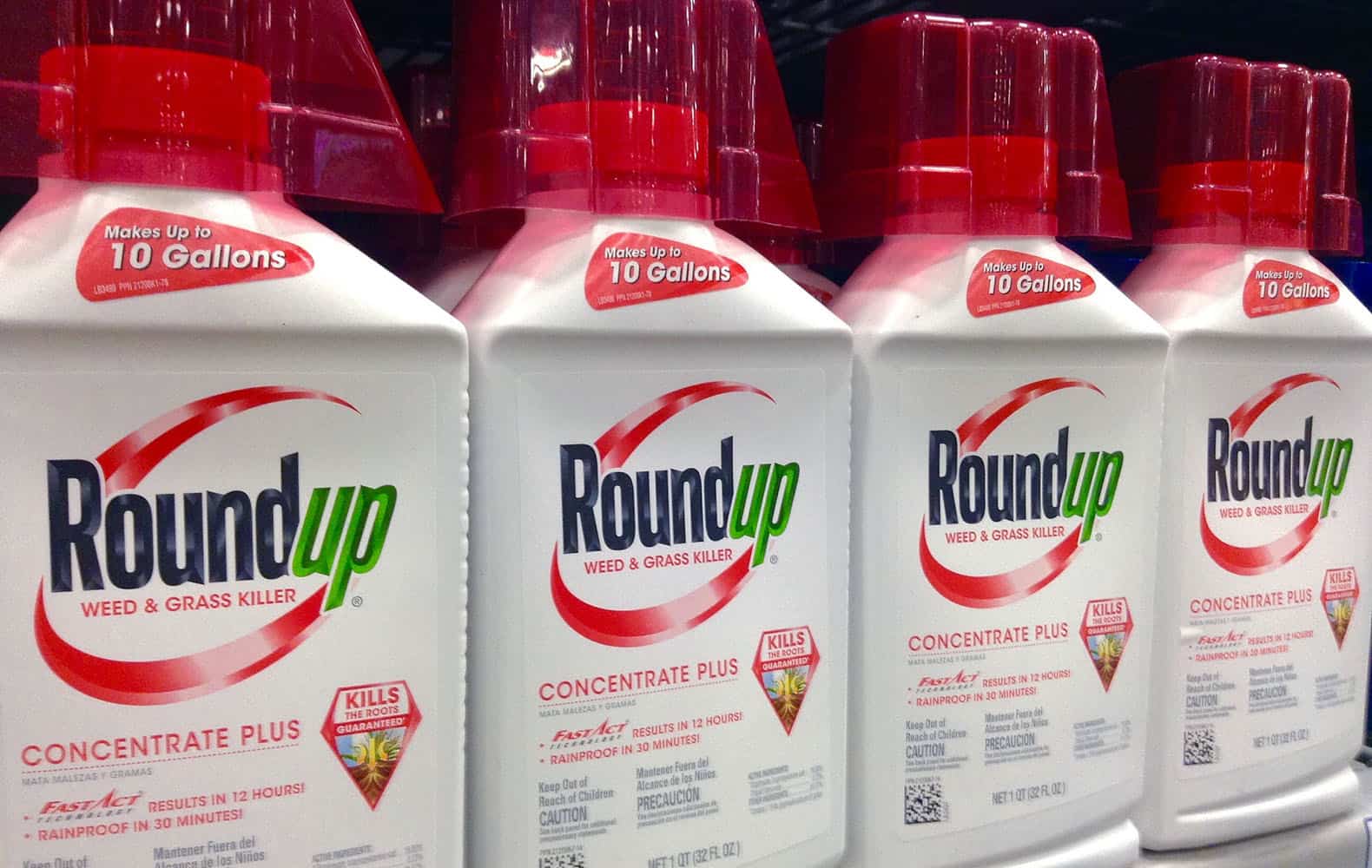

This article is for general informational purposes only and is not medical advice. Always consult a qualified healthcare professional before making changes to your diet or health routine.




Join the conversation
What do you think?
Free members can comment, reply and like. It takes ten seconds.