

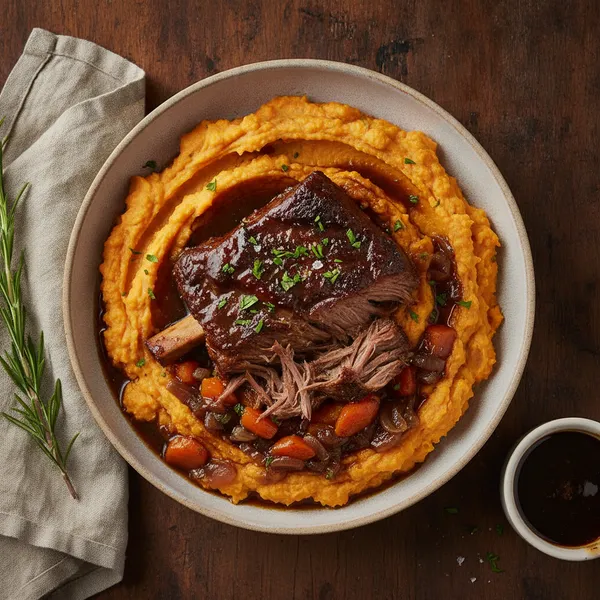
The Whole30 is a 30-day elimination built to break the cycle of cravings, low energy, poor sleep, and the low-grade inflammation that comes with them. For thirty days you eat real, whole food (meat, seafood, eggs, vegetables, fruit, and natural fats) and skip the usual suspects: added sugar, grains, dairy, legumes, and alcohol.
Each day in the app you'll log one quick check-in: did you stay on-plan, and how do your energy, digestion, sleep, cravings, mood, and skin feel? None of that is about the scale. It's about the non-scale victories that tell the real story.
Then: reintroduction
Finishing day 30 is only half of it. Over the following days you add foods back one group at a time, legumes, then non-gluten grains, then dairy, then gluten grains, with two on-plan days in between to watch for a reaction. That's how you turn a reset into a lasting map of what works for your body.
Your week-one meals are done for you: apply the paired 7-Day Whole30 Reset plan and your calendar fills with compliant breakfasts, lunches, and dinners.
What the evidence actually says
A Whole30 is an elimination diet wearing a friendlier name: a defined removal window followed by structured reintroduction, which is how food intolerances are identified in practice rather than guessed at.
The food list overlaps heavily with what the Harvard Nutrition Source describes for paleo eating, and the reintroduction order here moves from the groups least likely to cause trouble to the ones most likely, so a late reaction cannot muddy the earlier tests.
These are the sources behind this program. They are worth reading yourself; none of them were written to sell you anything.
Sources
- Harvard T.H. Chan Nutrition Source: Diet Review: Paleo Diet
- Cleveland Clinic: Food Intolerance: Symptoms, Causes and Treatment
- Harvard T.H. Chan Nutrition Source: Carbohydrates and Blood Sugar
- Cleveland Clinic: What Is Your Gut Microbiome?