


Few ideas in food are as hopeful as this one: that the meals you build every day can help you feel better, move easier, and support your body for the long haul. Eating to calm inflammation is exactly that kind of idea. It is not a crash plan or a list of forbidden foods. It is a warm, colorful, real-food way of eating that a lot of people simply feel good on. This guide walks through what it means, why it works so well, what you get to put on your plate, and how to make it your own.
Think of this as an encouraging map, not a set of orders. You know your body better than anyone, and the best version of this way of eating is the one that fits your life and your tastes.
What is the anti-inflammatory diet?
The anti-inflammatory diet is not a rigid program with rules and a start date. It is a way of eating that leans into whole foods tied to lower inflammation and eases up on the ultra-processed foods tied to more of it. In practice it looks a lot like the Mediterranean and DASH patterns, which is why nutrition experts so often point to those when the subject comes up. That is good news: it means this is a flexible, well-loved style of eating with room to make it yours.
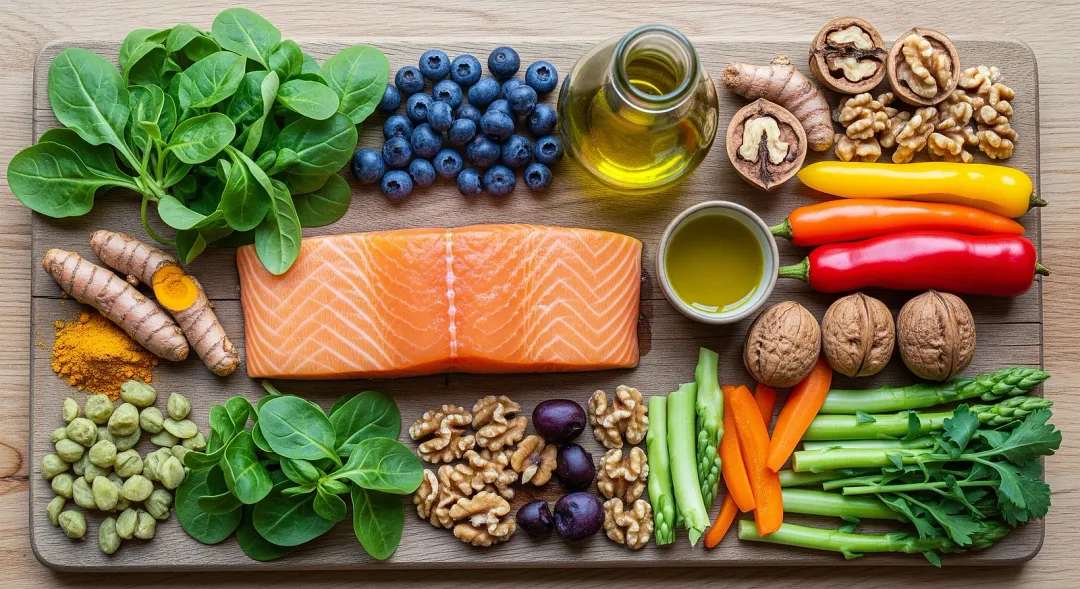
On the "enjoy freely" side are whole, minimally processed foods: colorful fruits and vegetables, leafy greens, berries, whole grains, beans and legumes, nuts and seeds, extra-virgin olive oil, and fatty fish like salmon and sardines. Herbs and spices such as turmeric and ginger, plus tea and coffee, earn a happy place on the list too.
On the "keep occasional" side are the foods that tend to travel with a more inflammatory profile: sugar-sweetened drinks, refined carbohydrates like white bread and pastries, fried foods, and heavily processed meats. The whole idea is a gentle shift toward whole plants and healthy fats and away from the sugary, ultra-processed stuff. Nothing is truly off-limits; it is about where the majority of your meals come from.
Why people feel so good on it
To appreciate this way of eating, it helps to understand inflammation itself. Inflammation is your immune system doing its job, and that is a good thing. Acute inflammation is short-term and protective: it is how your body responds to a cut, an infection, or an injury, and it resolves once healing is done. Chronic inflammation is different. It is low-grade and can linger for months or years, long after any useful purpose has passed. Reference sources describe chronic inflammation as a slow, long-term process shaped by things like persistent irritants and oxidative stress.
Here is the encouraging part: the foods on the "enjoy freely" list are rich in compounds (antioxidants, polyphenols, fiber, carotenoids, flavonoids, and omega-3 fatty acids) that appear to support your body's own inflammatory balance. You are not fighting your body; you are feeding it well. Many people who move toward this way of eating describe steadier energy, better digestion, and a general sense of feeling lighter and more themselves. Those everyday wins are a big part of why this pattern has such staying power.
And the benefits reach beyond how you feel day to day:
- Heart health is the standout. The whole-food patterns this diet resembles have some of the strongest support in all of nutrition for cardiovascular wellbeing. In one large analysis, people eating the most pro-inflammatory diets had a 38% higher risk of developing cardiovascular disease than those eating the most anti-inflammatory diets. That is a meaningful, real-world reason to fill your plate this way.
- Omega-3s are a bright spot. The omega-3 fats in fatty fish are associated with lower inflammation and are a well-supported part of heart-healthy eating. The evidence is strongest for eating the fish itself, which is exactly the kind of real-food win this way of eating is built on.
- Weight and metabolism tend to move in a good direction. As people crowd out ultra-processed foods with whole ones, healthy changes often follow naturally, and gentle weight loss itself is linked with lower inflammation. That is a lovely bonus of simply eating more real food.
- Many people with chronic conditions feel better. Those living with arthritis, digestive troubles, or metabolic concerns often report improvement on this way of eating. Everyone is a little different, so it is worth exploring alongside your own care team, but the reports are genuinely encouraging.
What you get to eat
This is where the anti-inflammatory way really shines, because the list is generous and delicious. Build most of your meals from:
- Vegetables of every color: leafy greens, cruciferous veggies, peppers, tomatoes, and roots. The more variety, the better.
- Fruits and berries, especially deeply colored berries, which are loaded with polyphenols.
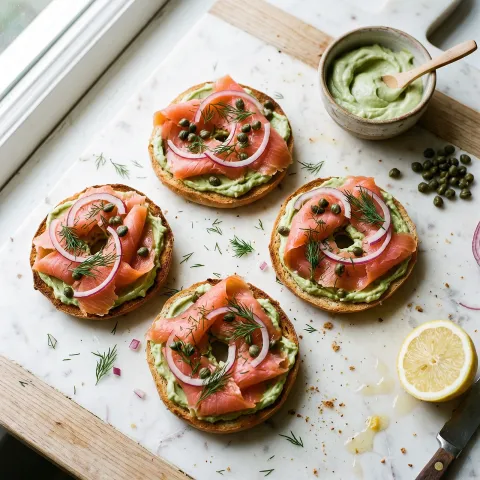
- Fatty fish: salmon, sardines, mackerel, and trout, a couple of times a week.
- Healthy fats like extra-virgin olive oil, avocados, nuts, and seeds.
- Whole grains and legumes if they work for you: beans, lentils, and intact grains bring fiber and polyphenols.
- Herbs, spices, tea, and coffee: turmeric, ginger, garlic, and green tea all add flavor and friendly plant compounds.
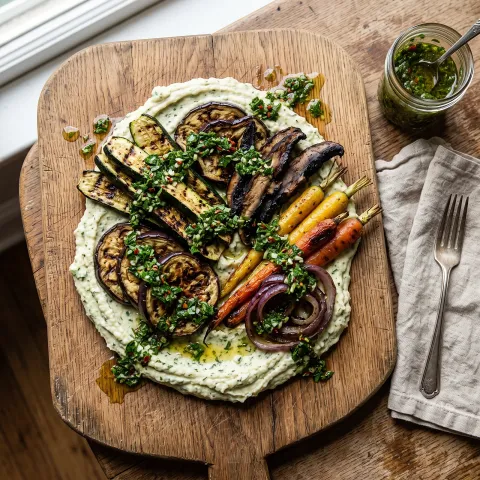
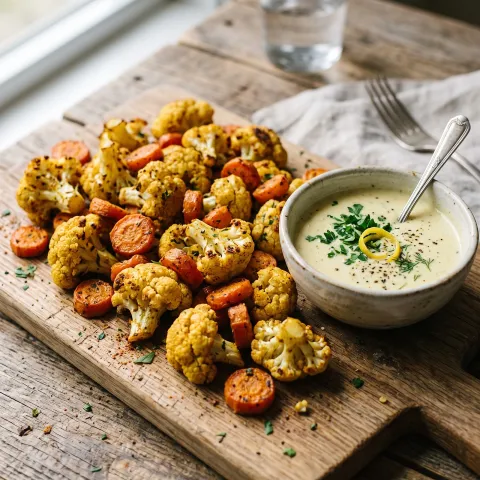
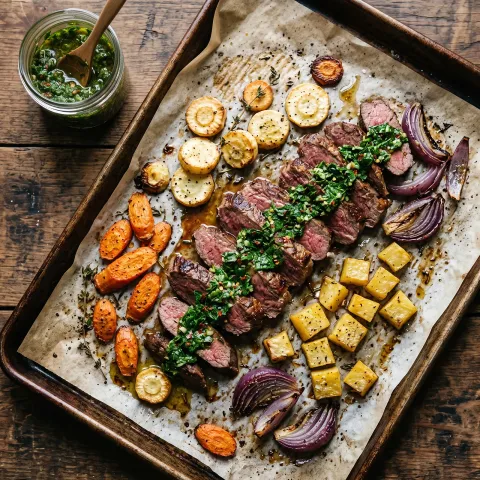
None of this asks you to eat sad, restrictive food. A bowl of roasted vegetables with olive oil, a piece of grilled salmon, a handful of berries, a cup of good tea: this is food you actually want to eat, which is exactly why it is so easy to keep going.
Making the anti-inflammatory way work for you
The beauty of this pattern is how forgiving it is. There is no perfect version and no way to fail at it, just small, repeatable choices that add up. A few things that help it stick:
- Ease in one meal at a time. You do not have to overhaul your kitchen overnight. Add an extra vegetable here, swap a sugary drink for tea there, and let the changes build.
- Lean on the pattern, not any single "superfood." No one ingredient carries the whole thing; the magic is in the overall mix, sustained over time. That takes the pressure off any one meal.
- Reach for real food before pills. Whole fish, vegetables, and olive oil have far better support than supplements promising the same effect. Food first is both simpler and more enjoyable. If you are considering high-dose turmeric or fish oil, especially alongside medications like blood thinners, it is worth a quick check-in with a clinician.
- Give it a little time. Changes in how you feel tend to unfold over weeks to months, not days. Consistency, not intensity, is what pays off here.
- Personalize with your care team. If you have a diagnosed condition or take medication, bring these ideas to your doctor or a registered dietitian and build a version that fits you. This way of eating pairs beautifully with good medical care.
How the anti-inflammatory diet fits a real-food approach
Here is the happy news for anyone who already cooks from whole ingredients: you may be most of the way there. An anti-inflammatory pattern and a real-food, paleo-leaning kitchen overlap enormously. Both celebrate vegetables, quality proteins, healthy fats, nuts, and seeds, and both steer away from ultra-processed foods, added sugars, and refined starches.
The main place they differ is grains and legumes. Classic anti-inflammatory guidance welcomes whole grains and beans for their fiber and polyphenols, while stricter paleo eating sets them aside. Both are reasonable, defensible choices, and plenty of people land somewhere in the middle. If you eat paleo, lean into the shared ground: more colorful produce, more fatty fish, extra-virgin olive oil, herbs and spices, and berries, with fiber and polyphenols from vegetables, nuts, and fruit. If whole grains and legumes agree with you, they fit an anti-inflammatory plate comfortably. The point is not to police the edges. It is to build most meals from whole, minimally processed foods you genuinely love and will keep eating.
Key takeaways
- The anti-inflammatory diet is a flexible, generous whole-food pattern, closely related to the Mediterranean diet, not a rigid rulebook.
- It is built from foods people love: colorful produce, fatty fish, olive oil, nuts, berries, herbs, and spices.
- The support for heart health is genuinely strong, and many people report steadier energy and feeling better day to day.
- Real food beats supplements: eating fish and vegetables has better support than pills promising the same.
- It overlaps beautifully with real-food and paleo eating, mainly differing on whole grains and legumes.
- Ease in at your own pace, and personalize it with a doctor or registered dietitian if you have a medical condition.
A stricter version: the autoimmune protocol (AIP)
If you are navigating an autoimmune condition, you may have heard of the autoimmune protocol (AIP). Think of it as anti-inflammatory eating turned up a notch. For a set window (usually 30-90 days) AIP temporarily sets aside the foods most likely to rile up a sensitive immune system (grains, legumes, dairy, eggs, nuts, seeds, and nightshades like tomatoes and peppers), then reintroduces them one at a time so you can see what your body actually tolerates. It is stricter and more structured than everyday anti-inflammatory eating, and it is best done with a practitioner in your corner, but it runs on the exact same idea: use real food to calm the fire and learn what makes you feel your best. If that is you, the strictest recipes in our anti-inflammatory collection make a great AIP starting point.
This guide is for general education and is not medical advice. If you have a health condition, take medication, or are pregnant or nursing, talk with your doctor or a registered dietitian before making big changes to how you eat. They can help you tailor this way of eating to you.
Frequently Asked Questions
How do I start eating anti-inflammatory?
Start small and let it build. Add an extra vegetable to a meal you already make, swap a sugary drink for water or tea, and choose fatty fish a couple of times a week. There is no perfect version and no way to fail. The wins come from repeating easy, whole-food choices until they feel natural.
What can I eat on an anti-inflammatory diet?
Lots of good things. Load up on colorful fruits and vegetables, leafy greens, berries, fatty fish like salmon and sardines, nuts and seeds, extra-virgin olive oil, and herbs and spices such as turmeric and ginger. Whole grains and legumes fit well too if they agree with you. Keep sugary drinks, refined carbs, fried foods, and processed meats as occasional treats rather than everyday staples.
Is the anti-inflammatory diet the same as the Mediterranean diet?
They overlap almost completely. Both celebrate vegetables, fruits, whole grains, legumes, nuts, olive oil, and fatty fish while easing up on sugar, refined carbs, and processed meats. Health experts often point to the Mediterranean and DASH patterns as practical, well-studied ways to eat this way, so you are in good company.
Should I take turmeric or fish oil supplements?
Food first is the friendlier path. Whole foods have stronger support than supplements, and for omega-3s specifically, eating fish is better backed than fish-oil capsules. Supplements can also interact with medications like blood thinners, so it is worth a quick chat with a clinician before adding high-dose turmeric or fish oil.
How long until I notice a difference?
Give it weeks to months rather than days. Changes in how you feel tend to unfold gradually, and steady consistency matters far more than any single meal or perfect day. Many people notice steadier energy and better digestion as the pattern becomes a habit.
Is the anti-inflammatory diet right for me?
For most people it is an easy, enjoyable fit, because it is really just eating more whole foods and fewer ultra-processed ones. It pairs well with a wide range of goals and works alongside medical care. If you have a health condition or take medication, bring the idea to your doctor or a registered dietitian and build a version that fits your life.
Sources
- Harvard Health Publishing: Foods that fight inflammation
- Harvard Health Publishing: Do pro-inflammatory diets harm our health? And can anti-inflammatory diets help?
- Harvard Health Publishing: Do fish oil supplements reduce inflammation?
- Cleveland Clinic: Should You Follow an Anti-Inflammatory Diet?
- NCBI StatPearls: Chronic Inflammation
- Journal of Restorative Medicine: Effect of the Anti-Inflammatory Diet in People with Diabetes and Pre-Diabetes: A Randomized Controlled Feeding Study
This guide is for general education and is not medical advice. Everyone is different, so talk with your doctor or a registered dietitian before making a major change to how you eat, especially if you are pregnant, managing a health condition, or have a history of disordered eating.

Join the conversation
What do you think?
Free members can comment, reply and like. It takes ten seconds.