


One of the most common questions I get from women in my practice sounds something like this: "I eat so well, I do everything right, but I still feel off. My digestion is a mess, I'm exhausted, my skin is broken out, and I can't figure out why." And then, almost as an afterthought, they mention they've been on the pill for three, five, sometimes ten years. That detail is not an afterthought. That detail is often the thread we pull on first.
Let Me Say This Before Anything Else
I'm not here to tell you what to do with your birth control. That is a conversation between you and your doctor, and I am a health coach, not your prescriber. What I am here to do is tell you the truth that a lot of women are not hearing in their fifteen-minute OB appointments: hormonal birth control has real, documented effects on your gut, your nutrient status, and your inflammatory load. You deserve to know that so you can make informed choices and take care of your body accordingly. That's it. No agenda.
This is not a "quit the pill" post. This is a "here's what's actually happening inside your body and here's what you can do about it" post. Big difference.
This article is for general informational purposes only and is not medical advice. Always consult a qualified healthcare professional before making changes to your diet or health routine.
What Birth Control Actually Does to Your Gut
Oral contraceptives are synthetic hormones, and synthetic hormones do not stay in their lane. They affect the whole system, and your gut is no exception.
Research has shown that combined oral contraceptives are associated with significant shifts in the gut microbiome, the massive, complex community of bacteria, fungi, and other microorganisms that live in your digestive tract and run an enormous amount of your health. A 2021 review published in Frontiers in Cellular and Infection Microbiology found that hormonal contraceptives can alter the composition of gut bacteria in meaningful ways, including reductions in protective Lactobacillus strains that are critical for vaginal and gut health.
Think about what that means for a second. Your microbiome influences your immune function, your mood, your ability to absorb nutrients, your skin, your energy, and your hormonal metabolism. When it gets disrupted, nothing works quite right. Women often chalk this up to stress, age, or just "how they are." Sometimes it's the pill.
On top of the microbiome disruption, synthetic estrogen has been linked to increased intestinal permeability (leaky gut), which is exactly what it sounds like: a gut lining that is no longer doing its job as a tight barrier. When things that should stay inside the gut start getting through into the bloodstream, the immune system responds. That response looks like inflammation. And inflammation looks like a hundred different symptoms that seem totally unrelated to your birth control.
The Nutrient Depletion Nobody Warned You About
This is the part that genuinely makes me angry on behalf of every woman who was handed a prescription and sent home without a single word of guidance. Oral contraceptives are well-documented to deplete a significant list of nutrients, and most women are running on empty for years without ever connecting the dots.
A comprehensive review in the journal Nutrients looked at the evidence on oral contraceptives and micronutrient status and found consistent associations with lower levels of B vitamins (especially B2, B6, B12, and folate), vitamin C, vitamin E, magnesium, zinc, and selenium. Let me spell out what those deficiencies actually feel like in real life:
B6 and B12 deficiency shows up as fatigue, brain fog, mood swings, and even depression and anxiety. A lot of women on the pill are told they have anxiety or that they're just tired from their busy lives. Sometimes they're just depleted.
Folate is critical for cell division and DNA repair, and its depletion is especially important for any woman who might become pregnant, either intentionally or not, since folate is essential in the earliest weeks of pregnancy before many women even know they're pregnant.
Magnesium deficiency affects sleep quality, muscle function, blood sugar regulation, and stress response. Magnesium is involved in over 300 enzymatic reactions in the body. Running low on it is not a small thing.
Zinc deficiency is directly connected to skin health, immune function, and hormonal balance. If you're on the pill and struggling with acne or getting sick constantly, zinc is worth looking at.
Vitamin C and E are antioxidants. When they're depleted, your body's ability to manage oxidative stress takes a hit, which means faster cellular aging and more systemic inflammation.
None of this means you need to panic. It means you need information, and then you need a plan.
The Gut-Hormone Connection You Need to Understand
Here's something most people don't know: your gut actually plays a direct role in how your body processes and eliminates hormones. There's a part of the microbiome called the estrobolome, a collection of bacteria that helps metabolize estrogen and recirculate or eliminate it through the digestive tract. When the estrobolome is disrupted (which can happen with oral contraceptive use, with poor diet, with antibiotic use, or with all of the above), estrogen metabolism gets thrown off.
A 2019 paper in the Journal of Clinical Medicine looked at the estrobolome and its relationship to estrogen metabolism and hormone-sensitive conditions, noting that dysbiosis in the gut can impair the body's ability to clear estrogens properly. In practical terms, this can contribute to estrogen dominance symptoms: heavy periods, mood swings, PMS, bloating, breast tenderness, and weight gain around the hips and thighs.
So you have a medication that is adding synthetic estrogen to the system, and potentially also disrupting the gut bacteria that help process and eliminate estrogen. You can see how this becomes a cycle that women often don't connect to their contraception.
This is exactly why gut health isn't just a digestive issue. It's a hormonal issue. And hormonal health isn't separate from gut health. They are deeply intertwined, and when you start supporting one, you almost always see improvements in the other.
What I Actually Coach Women to Do
Okay. Here's the practical part, and this is where we get to work. These are the habits and strategies I walk women through when they want to support their gut and their whole body while on hormonal birth control. None of this is about perfection. It's about consistently stacking the deck in your favor.
1. Eat for your microbiome every single day.
This is the foundation, full stop. The gut bacteria that synthetic hormones deplete need to be fed and replenished through real food. That means:
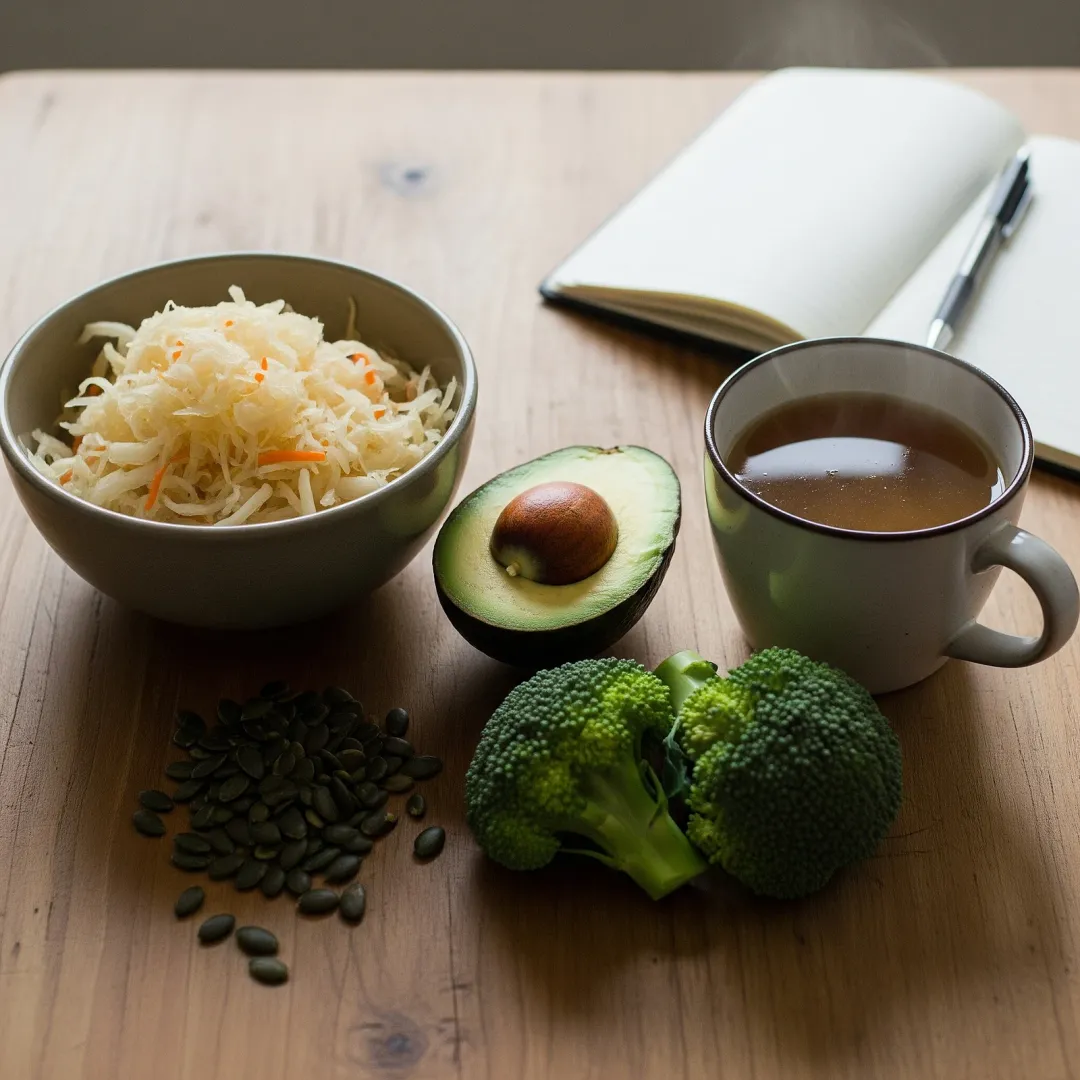
Fermented foods: quality sauerkraut, kimchi, coconut yogurt, and kefir (if you tolerate dairy) are your allies. These provide living bacteria that help repopulate and diversify your microbiome. Aim for at least one serving a day. Not a "probiotic" gummy made with sugar. Real, fermented food.
Prebiotic fiber: your gut bacteria need to eat too, and they eat fiber. Asparagus, garlic, onions, leeks, green bananas (or unripe), Jerusalem artichokes, and cooked-then-cooled potatoes (for resistant starch) are fantastic prebiotic sources. Eat a variety, not the same thing every day.
Colorful vegetables and fruits: the polyphenols in deeply pigmented produce (blueberries, beets, red cabbage, dark leafy greens) act as fuel for beneficial bacteria and have antioxidant properties that can help counteract some of the oxidative stress associated with hormonal contraceptive use.
2. Prioritize the nutrients you're most likely depleted in.
This is where a real-food approach genuinely shines, because the foods richest in these nutrients are exactly the foods a paleo, whole-food diet centers:
For B vitamins: liver (yes, really, one of the most nutrient-dense foods on earth), grass-fed beef, pastured eggs, wild salmon, and leafy greens.
For magnesium: pumpkin seeds, dark chocolate (the real stuff, 85% and above), spinach, almonds, and avocado.
For zinc: oysters (the highest food source by a mile), grass-fed beef, pumpkin seeds, and pastured chicken thighs.
For vitamin C: bell peppers, broccoli, strawberries, kiwi, and citrus. (Yes, real food, not a supplement first.)
I also encourage women to talk to their doctor or a practitioner who will run micronutrient panels so you know specifically where you're at, not just guessing. Knowledge is power.
3. Support your liver and estrogen detox pathways.
Your liver is the organ doing the heavy lifting on estrogen metabolism. When it's overburdened (alcohol, processed food, environmental toxins, and synthetic hormones all add to that burden), estrogen processing slows down and symptoms follow.
Real-food support for the liver includes cruciferous vegetables: broccoli, cauliflower, Brussels sprouts, cabbage, and arugula. These contain compounds like sulforaphane and DIM (diindolylmethane) that are studied for their role in supporting estrogen metabolism. Eating a cup or more of cruciferous vegetables a day is one of the simplest, most effective things you can do to support hormonal balance.
Also: drink water. Actually drink it. Your liver and your colon both need adequate hydration to process and eliminate waste products, including used-up hormones. Dehydration is one of the most underrated contributors to hormonal sluggishness.
4. Protect your gut lining.
Bone broth, collagen, and quality animal proteins (from well-sourced animals) provide glycine and proline, the amino acids that make up the scaffolding of a healthy gut lining. If your gut barrier has been compromised, consistently eating these foods gives your body the building blocks to repair.
Also worth mentioning: if you are eating a lot of processed food, industrial seed oils, refined sugar, or alcohol, those are actively working against your gut lining. I'm not going to guilt anyone here, but I will tell you straight: you cannot out-supplement a diet that is consistently inflammatory. The food is the medicine, or it's the problem. Often both.
5. Manage your stress like it's a prescription.
I know, I know. But I mean it. Chronic stress elevates cortisol, and cortisol directly disrupts both gut motility and gut barrier integrity. It also affects how your body processes and responds to hormones. You can eat perfectly and still have a dysregulated gut if you are running on stress fumes every day.
What I coach here is not yoga if you hate yoga. It's finding what genuinely downshifts your nervous system and doing it consistently. For some women that's prayer, for some it's a walk outside, for some it's fifteen minutes of quiet before the family wakes up. The modality matters less than the regularity. Your nervous system needs daily inputs that tell it you are safe.
A Note on Supplements (And Why Food Comes First)
Women often ask me about supplementing while on the pill, and it's a legitimate question. There are supplements with a solid evidence base for supporting nutrient repletion and gut health, and some practitioners do recommend targeted supplementation for women on hormonal contraceptives.
But here's my coaching position: supplements fill gaps. They do not replace a nutrient-dense, real-food diet. If someone is eating fast food five days a week and sleeping four hours a night, no supplement stack is going to fix that. Food first. Always.
If you do want to explore supplementation, work with a practitioner who can actually look at your labs and give you individualized guidance. What you need is specific to you, and throwing a bunch of supplements at a problem you haven't fully assessed is expensive and sometimes counterproductive. Some nutrients compete for absorption. Dosing matters. Context matters.
For general, food-sourced support: a high-quality probiotic (look for multi-strain, clinically studied strains like Lactobacillus rhamnosus and Bifidobacterium longum) and a B-complex made from food-based sources are frequently discussed in the context of OC use. But again, talk to your provider.
The Bigger Picture
What I want women to take away from this is not fear. Fear is not useful, and it doesn't build health.
What I want you to take away is ownership. Your body is giving you information. The fatigue, the bloating, the skin stuff, the mood swings, the feeling like your body is fighting you even when you're trying to do everything right, those are signals, not character flaws, not inevitabilities, not something to just push through indefinitely.
If you're on hormonal birth control and you've been feeling off, this is worth paying attention to. You can eat real food. You can support your gut. You can get your labs done. You can have a real conversation with a provider who will actually listen. You don't have to just white-knuckle through symptoms and call it normal.
God made a wildly complex, interconnected body and put us in charge of stewarding it. That means paying attention. That means making the best choices you can with the information you have. And when you get better information, you make better choices. That's all this is.
Key Takeaways
- Hormonal birth control is linked to shifts in gut microbiome composition, including reductions in protective bacterial strains.
- Oral contraceptives are well-documented to deplete B vitamins, magnesium, zinc, vitamin C, and other key nutrients.
- The estrobolome (gut bacteria that process estrogen) can be disrupted by OC use, affecting how your body handles hormones.
- A real-food, whole-food diet rich in fermented foods, prebiotic fiber, cruciferous vegetables, and quality animal proteins is the foundation of gut support while on the pill.
- Liver support through cruciferous vegetables and adequate hydration helps the body process and eliminate synthetic and endogenous estrogens.
- Stress management is not optional; chronic cortisol elevation directly impairs gut barrier integrity and hormonal regulation.
- Supplements may fill gaps, but food comes first, and any supplementation should be guided by actual lab work and a qualified practitioner.
Frequently Asked Questions
Does birth control cause leaky gut?
Research suggests that synthetic estrogen in oral contraceptives may be associated with increased intestinal permeability (commonly called leaky gut), though the evidence is still developing. What we know is that hormonal contraceptives can disrupt the gut microbiome, and an imbalanced microbiome is a known contributor to compromised gut barrier function. This doesn't mean the pill automatically causes leaky gut in every woman, but it is a real consideration, especially for women who already have gut vulnerabilities or a history of antibiotic use. Supporting your gut with real, whole food is a reasonable, evidence-informed response.
What nutrients does birth control deplete?
Oral contraceptives are well-documented in research to be associated with lower levels of several key nutrients, including B2 (riboflavin), B6, B12, folate, vitamin C, vitamin E, magnesium, zinc, and selenium. These are not small players; they're involved in energy production, mood regulation, immune function, skin health, and hormonal balance. A nutrient-dense, real-food diet is the first line of support, and working with a practitioner to assess your actual levels through micronutrient lab testing is the smartest next step.
Can you support your gut health while staying on the pill?
Yes, absolutely. Staying on hormonal birth control and actively supporting your gut health are not mutually exclusive. The approach I coach includes eating fermented foods daily, prioritizing prebiotic fiber and colorful vegetables, focusing on the specific nutrients OCs tend to deplete (B vitamins, magnesium, zinc), supporting liver and estrogen detox with cruciferous vegetables, staying well-hydrated, and managing stress consistently. These are foundational real-food and lifestyle habits that support your gut regardless of what medications you're on, and they're especially valuable if you are on hormonal birth control.
How long does it take to restore gut health after starting (or stopping) birth control?
There's no single answer here, because gut health recovery is individual and depends on how long you've been on the pill, your baseline diet and stress levels, whether you've had other gut disruptors like antibiotics, and how consistently you're supporting your microbiome. In functional medicine, we generally talk about gut healing as a months-long process, not a weeks-long one. Some women notice meaningful improvements in digestion, energy, and mood within a few weeks of focusing on real-food gut support; for others it takes longer. Consistency matters more than speed. This is a long game.
Sources
- Human Reproduction: The healthy female microbiome across body sites: effect of hormonal contraceptives and the menstrual cycle
- European Review for Medical and Pharmacological Sciences: Oral contraceptives and changes in nutritional requirements
- Gut Microbes: Gut microbial beta-glucuronidase: a vital regulator in female estrogen metabolism
- National Center for Biotechnology Information (PMC): DIM and Cruciferous Vegetables in Estrogen Metabolism
This article is for general informational purposes only and is not medical advice. Always consult a qualified healthcare professional before making changes to your diet or health routine.




Join the conversation
What do you think?
Free members can comment, reply and like. It takes ten seconds.