

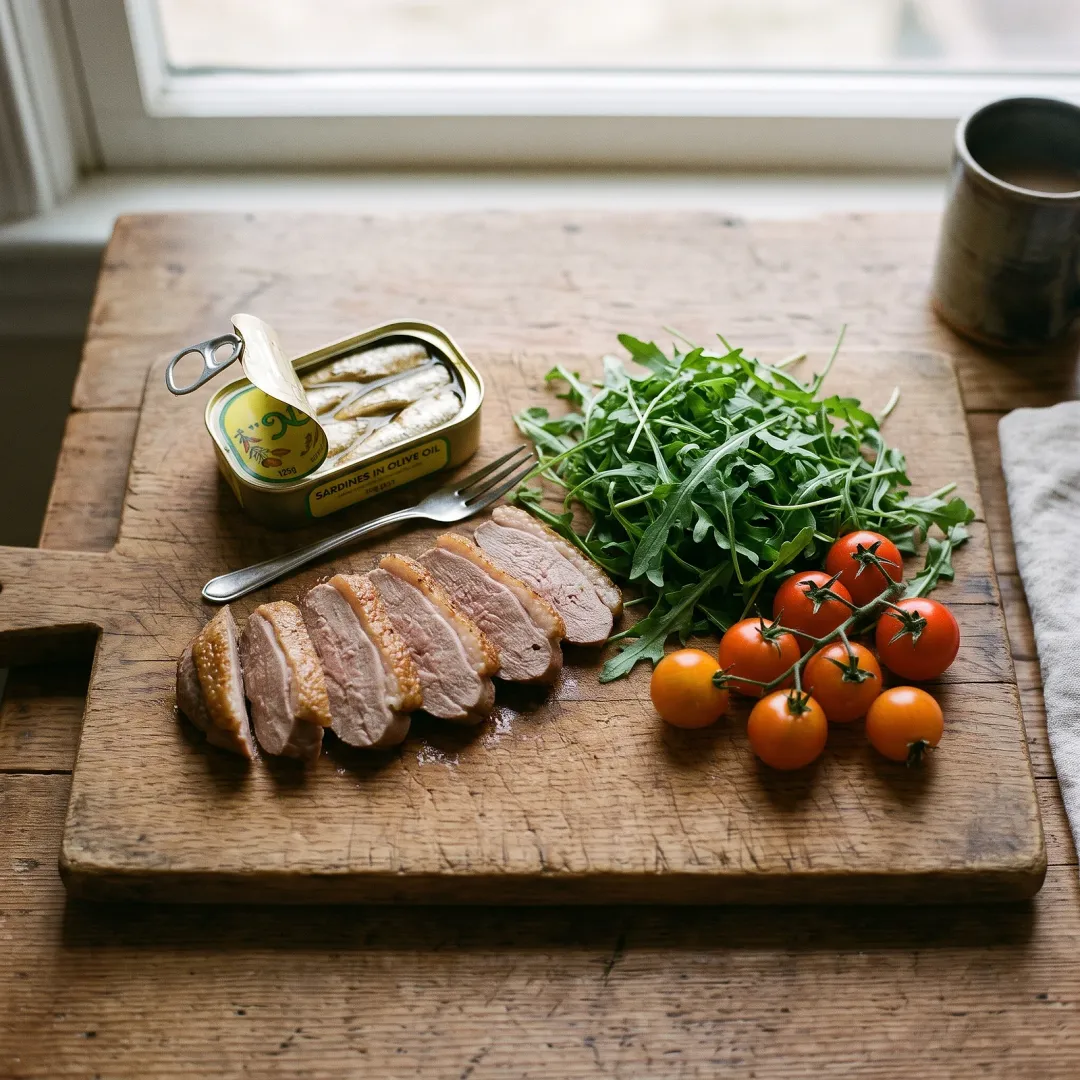

Most mornings, the advice is the same: eat your eggs. And honestly, eggs are great. But if you are egg-sensitive, bored to tears, out of time, or just completely over standing at the stove before the sun is fully up, the idea that eggs are your only real protein option is flat-out wrong. You can hit a solid protein target before 9am without cracking a single shell. You just need to know what you are working with.
Why Morning Protein Actually Matters
Protein at breakfast is not a fitness-bro talking point. Research published in the American Journal of Clinical Nutrition found that a higher-protein breakfast is linked to greater satiety and reduced snacking later in the day compared to a low-protein one. That afternoon energy slump and 3pm raid on whatever is in the pantry? Often a sign that the morning meal did not hold you up the way it should have.
Most functional-medicine practitioners talk about aiming for somewhere in the range of 25 to 40 grams of protein at your first meal. The National Academy of Medicine sets the general RDA for protein at 0.8 grams per kilogram of body weight per day, but that number is widely regarded as a floor, not a goal, especially if you are active, managing blood sugar, or in your 40s and beyond. Front-loading protein early in the day is one of the simplest levers most people are not pulling.
The One Move: Build a 25-Gram Anchor First
Here is the actual technique, start to finish. Before you add anything else to your morning, identify your protein anchor. This is a single food or combination that gets you to roughly 25 grams of protein on its own. Everything else, the fruit, the coffee, the fat, is secondary. Build the anchor first, then fill around it.
This sounds simple. It is. But most people do it backwards: they build a carb-heavy or fat-heavy plate and try to squeeze some protein in at the edges, which is how you end up with a beautiful avocado bowl that delivers 6 grams of protein and leaves you hungry by 10am.
Pick your anchor from the list below, prep it the night before when possible, and commit to eating it first.
Real-Food Protein Anchors That Are Not Eggs
These are the options that actually work before 9am, ranked roughly by how fast you can get them on a plate.
1. Leftover Cooked Meat (the fastest option, full stop) A portion of last night's chicken thighs, ground beef, pulled pork, or yes, duck breast straight from the fridge hits your anchor target in zero prep time. Three ounces of cooked chicken breast delivers about 26 grams of protein according to USDA FoodData Central. Cold meat on a plate with some fruit or leftover roasted vegetables is a completely legitimate breakfast. It is what much of the world eats. The idea that meat is only a dinner food is a cultural quirk, not a nutritional rule.
2. Canned or Pouched Fish Canned sardines, tuna, mackerel, or salmon require zero cooking. A 3.75-ounce can of sardines in olive oil has roughly 22 grams of protein per USDA data, and they come with their own healthy fat already built in. If sardines feel like a stretch at 7am, canned tuna or a salmon pouch mixed with a little avocado or Dijon mustard is an easy eating experience. Keep a few cans in your desk or on the counter so the barrier to grabbing them is essentially zero.
3. Duck Confit or Duck Leftovers Duck is criminally underused as an everyday protein, and it is especially good cold. If you have duck confit on hand (which you can buy pre-made at many grocery stores and specialty shops), shred it over some arugula or eat it straight. A 3-ounce serving of cooked duck meat provides around 23 grams of protein per USDA FoodData Central, plus a generous amount of fat to keep you full. It reheats in two minutes in a skillet and tastes like you are having a proper meal, not a reluctant breakfast.
4. Grass-Fed Beef Patties or Sausage (Batch-Cooked) This is the prep-ahead move. Cook a batch of plain ground beef patties or clean-ingredient breakfast sausage on Sunday. A four-ounce beef patty comes in around 28 grams of protein per USDA data. Monday through Friday, you reheat it in a minute, add whatever vegetables you have, and you are done. Read labels on sausage carefully and choose brands with minimal ingredients and no added sugars, seed oils, or fillers.
5. Bone Broth Protein Powder in a Smoothie or Hot Drink If you genuinely cannot stomach solid food before 9am, a quality bone broth protein powder mixed into warm water, black coffee, or a simple smoothie can get you to 20 or 25 grams quickly. Look for products with a short, clean ingredient list and no artificial sweeteners. This is not a whole-food-first choice, but it is better than skipping protein entirely on the mornings when life is happening at speed.
6. Wild Game or Deli-Style Sliced Meat If you have access to wild game (venison, elk, bison), these are dense, lean, clean proteins that eat beautifully cold or quickly warmed. Nitrate-free, additive-free deli meats also count in a pinch. Check labels for corn syrup, carrageenan, and seed oil binders, and choose brands that are as close to just-the-meat as possible.
How to Actually Do This Without Failing by Wednesday
Knowing the options is step one. Making it happen consistently is a different thing. Here is what tends to work:
Prep your anchor the night before. The single biggest reason people reach for cereal or skip protein at breakfast is that there is nothing ready. If your protein is already cooked and in the fridge, the decision is made.
Keep at least two non-perishable anchors on hand. Canned fish, shelf-stable pouched salmon or tuna, or a bone broth protein powder means you are covered even when the fridge is bare.
Pair with vegetables, not just fruit. This is not about carb restriction. It is about building a breakfast that holds. Leftover roasted broccoli, sliced cucumber, cold sweet potato, or a handful of greens alongside your protein anchor makes it a real meal and slows down digestion. Research from Nutrients supports the idea that fiber from vegetables alongside protein contributes to satiety and steady energy.
Stop waiting until you are hungry to decide. If you open the fridge at 7:30am with no plan, the path of least resistance wins. The plan should already be set.
A Note on Protein Quality
Not all protein is equal, and the quality conversation matters. Animal proteins provide all essential amino acids in forms the body uses well. The concept of protein digestibility-corrected amino acid score (PDCAAS) is the standard the Food and Agriculture Organization uses to assess protein quality, and animal-sourced proteins consistently score at or near the top. That is not an anti-plant argument. It is just useful context for understanding why meat, fish, and poultry are reliable anchors when you need a real protein hit before 9am.
If you are predominantly plant-based, you can build toward 25 grams using combinations like hemp seeds, pumpkin seed butter, and legumes, but that takes more planning and volume. For the paleo-aligned reader, animal proteins are your fastest, most efficient path.
This article is for general informational purposes only and is not medical advice. Always consult a qualified healthcare professional before making changes to your diet or health routine.
Key Takeaways
- Front-loading 25 to 40 grams of protein at breakfast is linked to better satiety and less snacking later in the day.
- Leftover cooked meat is the fastest, zero-prep option for a high-protein breakfast without eggs.
- Canned or pouched fish (sardines, tuna, mackerel) delivers 20-plus grams of protein with no cooking required.
- Duck confit and batch-cooked beef patties are practical prep-ahead anchors that reheat in minutes.
- Build your protein anchor first, then fill the plate around it. Doing it backwards is why most breakfasts fall short.
- Keep at least two shelf-stable protein options on hand so a bare fridge cannot derail you.
Frequently Asked Questions
What can I eat for breakfast instead of eggs to get enough protein?
Leftover cooked meat is the fastest option: chicken, beef, pork, or duck all deliver 20 to 28 grams of protein per 3 to 4 ounce serving with zero morning prep. Canned or pouched fish (sardines, tuna, mackerel) is a close second. Batch-cooked ground beef patties or clean-ingredient sausage reheated in a skillet also work well. The goal is to build a 'protein anchor' first, then fill the plate around it.
How much protein should I eat at breakfast?
Research suggests aiming for somewhere in the range of 25 to 40 grams of protein at your first meal to support satiety and stable energy through the morning. The official RDA for total daily protein set by the National Academy of Medicine is 0.8 grams per kilogram of body weight, but many functional-medicine practitioners view that as a minimum rather than a target, particularly for active individuals or those over 40. Talk to your healthcare provider about what is right for your specific situation.
Is it okay to eat meat for breakfast instead of traditional breakfast foods?
Completely fine. The idea that certain foods belong only at breakfast or dinner is cultural, not nutritional. Leftover chicken, duck, ground beef, or canned fish are whole, real foods. They deliver high-quality complete protein, and they are often faster to prepare in the morning than any traditional breakfast item. Many people find that a meat-based breakfast holds them far longer than a grain or carb-centered one.
What is the fastest high-protein breakfast with no cooking?
A can or pouch of sardines, tuna, mackerel, or salmon is the absolute fastest option. No cooking, no prep, no dishes beyond a fork and a plate. Pair it with sliced vegetables or fruit you have already washed and you have a complete, high-protein breakfast in under two minutes. Leftover cooked meat from the fridge is the next best option if you prepped over the weekend.
Sources
- American Journal of Clinical Nutrition: Protein-rich breakfast increases satiety and reduces food intake throughout the day
- National Institutes of Health / National Academy of Medicine: Dietary Reference Intakes: Macronutrients, Protein and Amino Acids
- USDA FoodData Central: Chicken, broilers or fryers, breast, meat only, cooked, roasted
- USDA FoodData Central: Fish, sardine, Atlantic, canned in oil, drained solids with bone
- USDA FoodData Central: Duck, domesticated, meat only, cooked, roasted
- USDA FoodData Central: Beef, ground, 80% lean meat / 20% fat, patty, cooked, pan-broiled
- Nutrients (MDPI): Dietary Fiber and Satiety: The Effects of Oats on Satiety
- Food and Agriculture Organization of the United Nations: Protein Digestibility-Corrected Amino Acid Score (PDCAAS), FAO Food and Nutrition Paper
This article is for general informational purposes only and is not medical advice. Always consult a qualified healthcare professional before making changes to your diet or health routine.


Join the conversation
What do you think?
Free members can comment, reply and like. It takes ten seconds.