

On this page
Here's the honest truth about going paleo: the hardest part is not the food itself. It's opening your fridge at 6:30 p.m. after a long day and finding absolutely nothing that works. That's the moment most people crack and order pizza. A stocked paleo pantry is your insurance policy against that moment. When the right things are already in your kitchen, real food becomes the path of least resistance. That's what we're building today.
Why Your Pantry Is the Foundation (Not an Afterthought)
I used to think motivation was the thing that made people eat well. I was wrong. Environment beats motivation almost every single time. If your pantry is full of seed-oil crackers, grain-based cereals, and mystery sauces loaded with soy, that is what you will eat when you're tired, rushed, or stressed. It's just physics. Functional medicine thinking is big on this idea: set up your surroundings so the healthy choice is the easy choice. Research backs it up too. Studies on food environment and dietary behavior consistently show that what's accessible in the home is one of the strongest predictors of what people actually eat, regardless of their stated intentions. One review published in the International Journal of Behavioral Nutrition and Physical Activity found that home food availability is significantly associated with dietary intake across age groups. So before you worry about macros or meal timing or any of that, get your pantry right. Everything else gets easier from there.
Step 1: Do the Purge First (Yes, Really)
You cannot build a paleo pantry on top of a conventional one. I'm sorry, but you just can't. The first step is clearing out what doesn't belong, and I know that feels wasteful. But keeping a box of Triscuits "for guests" is a trap. You will eat those Triscuits at 10 p.m. on a Thursday. We both know it. Here's what to pull out and donate or toss:
- Refined vegetable and seed oils. Canola, soybean, corn, sunflower, safflower, "vegetable" oil. These are highly processed, high in omega-6 polyunsaturated fats, and unstable under heat. The ratio of omega-6 to omega-3 in the modern diet has been widely studied as a contributor to systemic inflammation, and these oils are a big reason why. You can read more about that research through the National Institutes of Health's published work on fatty acid ratios and inflammation.
- All grains and grain-based products. Flour, pasta, bread, oats, cereals, rice, cornmeal. Paleo removes grains not because carbs are evil but because grains contain antinutrients like lectins and phytates that can impair digestion and nutrient absorption for many people.
- Legumes. Beans, lentils, peanuts, soy in all its forms (soybean oil, soy sauce, edamame, tofu). Same antinutrient concern, plus the phytoestrogen issue with soy.
- Refined sugar and artificial sweeteners. High-fructose corn syrup, cane sugar, brown sugar, agave, aspartame, sucralose. All of it.
- Dairy (for a strict paleo approach). Some people do well with grass-fed butter or ghee, and I personally keep those. But conventional dairy, especially ultra-pasteurized milk and processed cheese, goes.
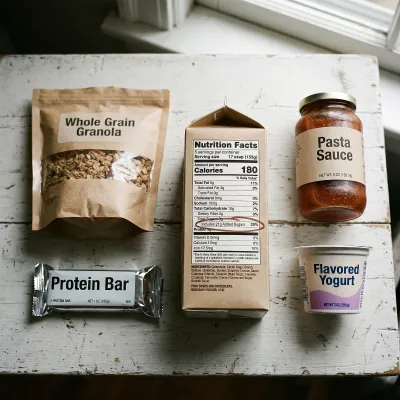
- Anything with a label that reads like a chemistry experiment. If you can't picture the ingredient growing in a field or walking on a farm, it probably doesn't belong.
Step 2: Stock the Right Fats and Oils
Healthy fats are the backbone of a paleo kitchen. This is where a lot of people get nervous because they were raised on the low-fat gospel of the 1980s and 90s. Let me be direct: that was bad science driven by bad incentives, and we are still paying for it. Fat is not the enemy. The wrong fats are the problem. Here's what belongs in your pantry and fridge:
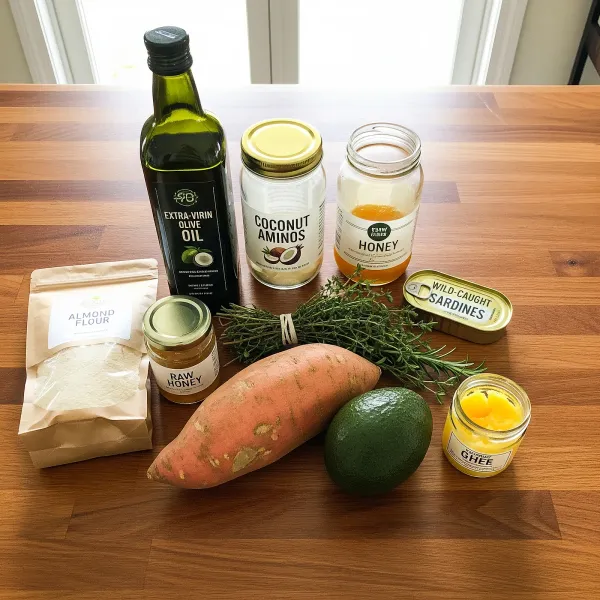
- Extra-virgin olive oil. Use it for low to medium heat cooking and for dressings. Look for a harvest date on the bottle, not just an expiration date. Olive oil goes rancid, and rancid oil is worse than no oil. The oleocanthal in quality EVOO has been studied for its anti-inflammatory properties, and the research here is genuinely strong.
- Coconut oil. Great for higher-heat cooking. Unrefined gives you more flavor; refined is more neutral. It's stable under heat in a way that seed oils are not, which matters a lot.
- Avocado oil. My personal go-to for high-heat cooking, roasting, and homemade mayo. High smoke point, mild flavor, good fatty acid profile.
- Grass-fed ghee or butter (if you tolerate it). Ghee is clarified butter with the milk solids removed, which means even people who are sensitive to dairy often do fine with it. It is rich in fat-soluble vitamins like A, D, E, and K2. I put it on everything.
- Coconut cream and full-fat coconut milk (canned, no additives). For cooking, for smoothies, for dairy-free "cream" sauces. Check the label, some brands sneak in guar gum or carrageenan.
- Whole nuts and natural nut butters. Almonds, macadamias, pecans, walnuts, cashews. Avoid peanuts (legume) and anything roasted in vegetable oils. Macadamia nuts are particularly high in monounsaturated fat and low in omega-6, which makes them a great everyday snack.
Keep your oils in dark bottles away from heat and light. That part matters more than most people realize.
Step 3: Build Your Protein Base
Paleo is, at its core, a meat-friendly template. Quality matters here more than almost anywhere else. I know not everyone can afford grass-fed everything all the time, and I will address that. But let's talk about what to prioritize.
In the freezer
- Grass-fed ground beef. Buy in bulk when it's on sale and freeze it in one-pound portions. This is your workhorse.
- Pastured chicken thighs (bone-in, skin-on if you can find them). More flavorful and more forgiving to cook than breasts.
- Wild-caught salmon fillets. Individually frozen portions are convenient and often cheaper per pound than fresh.
- Nitrate-free bacon from pastured pigs when you can find it.
- Bone-in pork chops or a pork shoulder for slow-cooker days.
In the pantry (shelf-stable proteins)
- Wild-caught canned salmon and sardines. I know, I know. Give sardines one more chance. They are one of the most nutrient-dense foods on the planet, loaded with omega-3s, calcium, and vitamin D, and they are cheap. The key is to buy them packed in olive oil or water, not soybean oil.
- Canned wild-caught tuna (look for skipjack or light tuna for lower mercury).
- Pastured beef jerky (read labels carefully, most commercial jerky is full of sugar and soy sauce).
- Collagen peptides or a quality bone broth protein powder for smoothies and coffee.
A note on budget
Grass-fed and pastured meat is more expensive. Full stop. If you can't swing it on everything, here's how I prioritize: put the budget toward beef first (grass-fed vs. conventional has the biggest fatty acid difference), then pork (pastured pork tastes dramatically better and the welfare difference is significant), then chicken (less important to go pasture-raised if budget is tight, but buy whole chickens instead of boneless breasts for a better price per pound). The Environmental Working Group also has a Clean Fifteen and Dirty Dozen list for produce, which is a helpful framework for prioritizing where your budget goes on the plant side of things too.
Step 4: Load Up on Vegetables and Fruits (Fresh, Frozen, and Pantry)
Plants are the other half of this picture. Paleo is not a carnivore diet. It is a whole-food diet, and vegetables should be showing up at every single meal.
Fresh produce to always have on hand
- Avocados (keep some on the counter to ripen, some in the fridge once ripe)
- Leafy greens: spinach, arugula, kale, romaine
- Sweet potatoes and other root vegetables: carrots, beets, parsnips, turnips
- Cruciferous vegetables: broccoli, cauliflower, Brussels sprouts, cabbage
- Zucchini (spiralized into "zoodles" it's a great pasta sub)
- Garlic and onions (these are pantry heroes, buy in bulk)
- Fresh herbs: parsley, cilantro, rosemary, thyme
Frozen vegetables
Do not sleep on frozen. Vegetables are frozen at peak ripeness, so the nutrient content is often comparable to or better than fresh produce that has been sitting in transit and on a shelf for a week. The research on frozen versus fresh nutritional value consistently shows that frozen is a legitimate, nutritious option. Keep frozen broccoli, spinach, cauliflower rice, and mixed berries on hand at all times.
Pantry produce staples
- Canned diced tomatoes (look for BPA-free cans, no added sugar)
- Full-fat coconut milk (already mentioned under fats, but it's doing double duty here)
- Sun-dried tomatoes packed in olive oil
- Olives
- Artichoke hearts in water
Fruit
Whole fruit is fine on paleo. Berries are the gold standard because they're lower in sugar and extremely high in antioxidants. Bananas are a convenient pre-workout option. Just don't make fruit the primary carbohydrate source, let vegetables do that heavy lifting.
Step 5: Master Your Seasonings and Condiments
This is where so many paleo kitchens fall flat. People ditch the junk, stock the right proteins and fats, and then eat the most depressing, unseasoned food imaginable for two weeks before giving up. Flavor is not optional. God gave us taste buds for a reason.
Spices and dried herbs (these are essential, not extras)
- Sea salt and black pepper (obviously)
- Garlic powder and onion powder
- Smoked paprika and regular paprika
- Cumin
- Turmeric (curcumin, the active compound in turmeric, has been extensively studied for its anti-inflammatory properties, though bioavailability is improved significantly when paired with black pepper)
- Chili powder and red pepper flakes
- Oregano, thyme, rosemary, and basil (dried work fine for most cooking)
- Cinnamon (incredible for both sweet and savory dishes, and there's interesting research on its effect on blood sugar response)
- Cayenne pepper
Condiments and sauces (read every label)
- Coconut aminos. This is your soy sauce replacement and it is genuinely delicious. Lower in sodium than soy sauce and has a slightly sweeter flavor.
- Apple cider vinegar (raw, with the mother). Useful in dressings, marinades, and just a tablespoon in water before meals has been studied for modest effects on blood sugar and digestion.
- Hot sauce (check for added sugar and preservatives; most simple hot sauces like Tabasco or Cholula are fine)
- Compliant mayonnaise made with avocado oil (Primal Kitchen is the most widely available brand; or make your own in five minutes with an immersion blender)
- Dijon mustard (most plain mustard is naturally paleo, just check for added sugar)
- Fish sauce (a little goes a long way; it adds incredible depth to soups and stir-fries)
- Tahini (sesame paste, technically a seed butter, widely accepted on paleo)
- Salsa with no added sugar
What to avoid in the condiment aisle
- Anything with soybean oil, canola oil, corn syrup, or "natural flavors" that bump up against your personal tolerance. Standard ketchup, most barbecue sauces, ranch dressings, and teriyaki sauces are almost universally problematic. Make your own or find a compliant brand.
Step 6: Paleo Baking and Cooking Essentials
You don't need a dozen alternative flours to cook paleo. Honestly, some of the paleo baking world has gone off the rails with how complicated it gets. Here's what I actually use and recommend:
- Almond flour (blanched, finely ground). The workhorse of paleo baking. Great for pancakes, muffins, breading for chicken or fish, and some cookies. It's higher in calories and fat than wheat flour, so use it intentionally.
- Coconut flour. Very absorbent, so recipes using it usually call for much less than you'd expect. Good for specific recipes designed around it. Don't try to swap it 1:1 for almond flour or wheat flour.
- Arrowroot starch or tapioca starch. These are paleo-friendly starches used for thickening sauces and gravies and adding chew to baked goods. A small bag will last you a long time.
- Unsweetened shredded coconut and coconut flakes.
- Cacao powder (unsweetened, not Dutch-processed). For smoothies, paleo baked goods, and the occasional mug of hot cacao. Raw cacao is rich in magnesium and flavonoids that have been studied for cardiovascular benefits.
- Medjool dates and raw honey. These are the paleo-friendly sweeteners I reach for when a recipe needs sweetness. Use them sparingly, they're still sugar, they're just sugar with some redeeming nutritional qualities attached.
- Pure vanilla extract (alcohol-based, not imitation).
- Baking soda and cream of tartar (as a substitute for baking powder, since most commercial baking powder contains cornstarch).
Step 7: Smart Shopping Habits to Make This Sustainable
Stocking a paleo pantry is a one-time lift. Maintaining it is a habit, and habits work best when they have systems behind them.
- Shop the perimeter first. The fresh meat, fish, and produce sections are where most of your cart should come from. The middle aisles are where you pick up your pantry staples, but you should need less from them than you think.
- Batch buy staples online. I order coconut aminos, almond flour, collagen peptides, canned sardines, and avocado oil in bulk online because I can get better quality at better prices, and I never run out. Thrive Market is a favorite in our community for this; it's like Costco for the real-food crowd.
- Read every label, every time. Manufacturers change formulas. Something you bought last year might have new additives today. The three things I check first: the oil used (seed oils are a hard no), the sweeteners, and anything that says "natural flavors" (which can mean almost anything).
- Stock your freezer like a prepper. I mean that lovingly. A well-stocked freezer is the difference between a real-food dinner and a fast-food run. If you have ground beef, frozen vegetables, and coconut milk in the house, you can always make something. Always.
- Buy in season and freeze it yourself. Berries in summer, squash in fall. Buy a lot when it's cheap and in season, freeze what you can't use immediately.
- Find your local farmers market or meat CSA. This is the single best way to get quality animal products at a better price while supporting the people raising food the right way. It's also just a better way to shop. I love knowing who raised my meat.
A Note on Perfection (and Why I'm Not Asking for It)
I want to be really clear about something before we wrap up. You do not need to do this all at once. You do not need to have a perfect paleo pantry by next Tuesday. That kind of all-or-nothing thinking is exactly what makes people quit. Start with the purge. Pull out the seed oils and the most processed junk. Replace with a good avocado oil, some coconut aminos, and whatever proteins you can afford. Build from there. Every item you swap out is a win. Every meal you make from real food is a win. I believe our bodies were designed to run on real food. Not on 47 ingredients engineered in a lab to be hyper-palatable so we can't stop eating them. Whole animals, whole plants, real fats, honest seasoning. That's not complicated. That's just returning to what food actually is. Your kitchen is a place where you take care of yourself and the people you love. That's a pretty sacred thing. Stock it accordingly. --- *This article is for general informational purposes only and is not medical advice. Always consult a qualified healthcare professional before making changes to your diet or health routine.*
Key Takeaways
- Purge seed oils, grains, legumes, refined sugar, and processed condiments before restocking.
- Prioritize healthy fats: extra-virgin olive oil, avocado oil, coconut oil, and grass-fed ghee.
- Freeze in bulk: grass-fed ground beef, wild-caught fish, and frozen vegetables are your safety net.
- Coconut aminos, avocado oil mayo, and apple cider vinegar are the condiment trifecta.
- Almond flour, arrowroot starch, coconut flour, and raw honey cover most paleo baking needs.
- Don't try to do this all at once. Swap one thing at a time and build momentum.
Frequently Asked Questions
What are the must-have staples for a paleo pantry?
The non-negotiables are quality cooking fats (avocado oil, extra-virgin olive oil, coconut oil, and grass-fed ghee), shelf-stable proteins (canned wild-caught salmon and sardines, compliant jerky), coconut aminos as a soy sauce replacement, almond flour and arrowroot starch for cooking and baking, canned diced tomatoes with no additives, full-fat coconut milk, and a solid spice collection anchored by sea salt, smoked paprika, cumin, turmeric, and garlic powder. Those alone will carry you through most paleo meals.
Is stocking a paleo pantry expensive?
It can feel expensive upfront because you are replacing a lot of things at once, but the ongoing cost is very manageable with a few habits. Buy proteins in bulk and freeze them. Order dry staples like almond flour, coconut aminos, and collagen in bulk online through a membership service like Thrive Market. Prioritize grass-fed beef over other meats if budget is tight, use the Environmental Working Group's Dirty Dozen list to guide produce spending, and lean on frozen vegetables, which are nutritionally comparable to fresh and significantly cheaper.
What oils are allowed on a paleo diet?
Paleo-approved oils include extra-virgin olive oil, avocado oil, coconut oil, and grass-fed ghee or clarified butter. Lard and tallow from pasture-raised animals are also traditional paleo fats. What paleo excludes are all refined vegetable and seed oils: canola, soybean, corn, sunflower, safflower, cottonseed, and anything labeled simply as 'vegetable oil.' These are highly processed, high in omega-6 fatty acids, and prone to oxidation under heat.
What replaces soy sauce on a paleo diet?
Coconut aminos is the go-to paleo substitute for soy sauce. It's made from the fermented sap of coconut blossoms, is soy-free and gluten-free, lower in sodium than regular soy sauce, and has a slightly sweeter, milder flavor that works beautifully in stir-fries, marinades, dipping sauces, and dressings. It's widely available at health food stores and online. Fish sauce is another option for adding that savory, umami depth in cooked dishes.
Sources
 A P Simopoulos


 *Correspondence: sue.hewlingsgmail.com; Tel.: +1-321-377-4522
 Alireza Gheflati
 Robert W Allen


 Alexia D. M. Sawyer
This article is for general informational purposes only and is not medical advice. Always consult a qualified healthcare professional before making changes to your diet or health routine.