

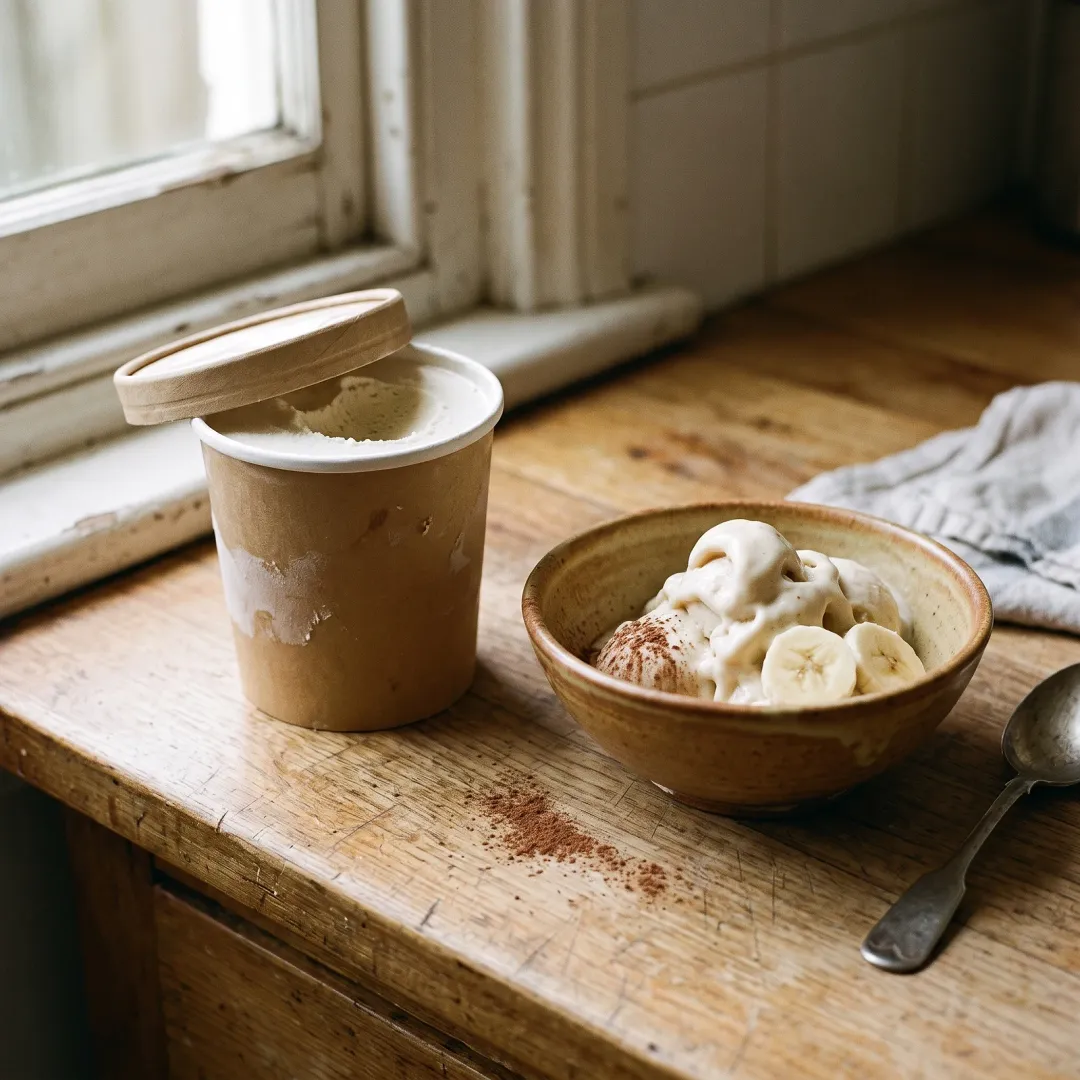

The ice cream aisle has gotten very good at sounding wholesome. 'Slow-churned.' 'Natural flavors.' 'Made with real cream.' None of that is lying to you, exactly, but none of it is telling you the whole story either.
What You're Actually Eating Out of That Tub
Flip most mainstream cartons around and the ingredient list runs long fast. Past the cream and sugar, you'll find things like carrageenan (a thickener with a contested safety record, flagged in some studies for promoting gut inflammation), mono- and diglycerides, polysorbate 80, and that catch-all phrase 'natural flavors,' which the FDA defines so broadly it can include hundreds of compounds the average person would never choose if they could see them listed plainly.
And the sugar load is real. A single half-cup serving of a popular vanilla ice cream can clock in at 14 grams of added sugar. Most people scoop more than half a cup. The 2020-2025 Dietary Guidelines for Americans recommend keeping added sugar under 10 percent of daily calories. One generous bowl of ice cream can blow right through that for the whole day.
The 'premium' brands are not automatically better. Some add even more egg yolks and sugar to chase that dense, custard texture. The 'natural' label on the front means very little because the FDA has no formal definition for it on ice cream.
The Swap: Frozen Banana Soft-Serve
Peel ripe bananas, freeze them solid (at least four hours, overnight is easier), then blend. That's it. The frozen banana breaks down into something genuinely creamy, scoopable, and soft, with no added sugar, no stabilizers, and no ingredient you can't pronounce.
Bananas are one of the better whole-food sources of potassium, with a medium banana providing around 422 mg according to the National Institutes of Health. They also contain resistant starch (especially when slightly underripe), which research suggests may support a healthy gut microbiome by acting as a prebiotic fiber.
The technique scales up, takes about three minutes in a good food processor, and costs well under a dollar per serving depending on where you shop.
What Honestly Changes
Texture: the first thirty seconds out of the blender are genuinely soft-serve territory. If you let it sit more than ten minutes at room temperature, it starts going icy rather than creamy. Eat it fast or re-blend.
Flavor: it tastes like banana. If you love banana, you will love this. If you were hoping for a neutral vanilla base, you need to add to it. A tablespoon of cocoa powder, a scoop of almond butter, or a handful of frozen mango blended in will shift the flavor profile and reduce the banana-forward taste considerably.
Cost: cheaper. A bag of bananas at most grocery stores runs far less per serving than a pint of anything with a craft label on it.
Effort: you need a food processor or a high-powered blender. A bullet blender will struggle with solid frozen fruit. That's a real barrier if you don't own one, and worth saying honestly.
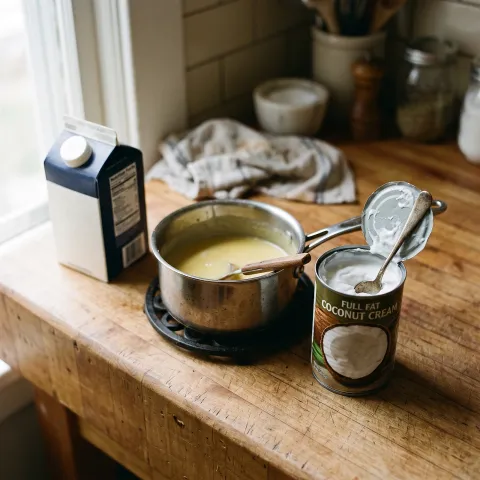
Satisfying the fat craving: plain banana soft-serve is lower in fat than ice cream. That means some people don't find it as satisfying as the full-fat original. Add a dollop of coconut cream or a spoonful of nut butter if you need something richer.
How to Make the Switch Stick
Keep a bag of peeled, frozen bananas in the freezer at all times. That's the whole system. When the ice cream craving hits, you need to be able to go from craving to bowl in three minutes or it won't happen.
Batch the bananas on Sunday. Peel, break into chunks, freeze flat on a sheet pan, then transfer to a bag. Monday through Friday, you have dessert on demand.
For anyone cooking for the family, this is a genuinely easy sell. Kids respond well to it, especially with mix-ins. Add a square of dark chocolate on the side and nobody is feeling deprived.
Is the swap worth it every single time? Honestly, no. If it's a birthday dinner or a specific ice cream from a local creamery you've been looking forward to, just have the ice cream. This swap is for Tuesday night when you're reaching into the freezer out of habit, not intention. That's where it earns its keep.
Key Takeaways
- Most store-bought ice cream contains additives, stabilizers, and added sugar well beyond what the ingredient highlights on the front label suggest.
- Frozen banana soft-serve is one ingredient, costs less, and blends into a genuinely creamy texture in under three minutes.
- The swap works best as a weeknight habit swap, not a replacement for every ice cream occasion.
- A food processor or high-powered blender is required. That's a real barrier and worth acknowledging.
- Add cocoa powder, nut butter, or coconut cream to cut the banana-forward taste and increase satiety.
Frequently Asked Questions
Does frozen banana soft-serve actually taste like ice cream?
It tastes creamy and cold and satisfying, but it does taste like banana. If you want a more neutral flavor, blend in a tablespoon of cocoa powder, a spoonful of nut butter, or frozen mango. The texture is genuinely soft-serve for the first few minutes out of the blender, then it starts to firm up.
Can I make frozen banana soft-serve without a food processor?
A high-powered blender works well. A small bullet blender will usually struggle with solid frozen fruit and may burn out the motor. A full-size food processor is the most reliable tool for this.
How ripe should bananas be for soft-serve?
The riper, the better. Spotted bananas are sweeter and blend into a creamier texture than underripe ones. They also have less resistant starch at that stage, so the flavor is more naturally sweet without any added sugar.
Is frozen banana soft-serve a good swap for dairy-free or paleo diets?
Yes. It's naturally dairy-free, gluten-free, and paleo-friendly with no added sugar. Just watch any mix-ins you add and make sure those fit your eating pattern too.
Sources
- U.S. Dietary Guidelines 2020-2025: Dietary Guidelines for Americans 2020-2025
- National Institutes of Health, Office of Dietary Supplements: Potassium: Fact Sheet for Health Professionals
- PubMed Central / Nutrients: Resistant Starch: Promise for Improving Human Health
This article is for general informational purposes only and is not medical advice. Always consult a qualified healthcare professional before making changes to your diet or health routine.

Join the conversation
What do you think?
Free members can comment, reply and like. It takes ten seconds.