


On this page
Fats have long been misunderstood, often blamed for weight gain and heart disease. However, recent research highlights that the type of fat consumed matters far more than the amount. Fats are not only essential for energy but also support brain function, cellular health, and hormone production. This article explores the types of fats, their health benefits, and the best ways to incorporate healthy fats into a balanced diet.
The Role of Fats in the Body
Fats are a critical source of energy, especially when food is scarce. Beyond energy, they play crucial roles in supporting:
- Brain Health: Fats are a key component of brain tissue and help protect against neurodegenerative diseases.
- Hormone Production: Fats are building blocks for hormone production, including sex hormones and stress-related hormones.
- Cellular Structure: Fatty acids help maintain cell membranes, supporting overall cellular function and protecting against inflammation.
Types of Fats and Their Impact on Health
Fats fall into several categories, each affecting the body differently. Here’s a look at the main types:
1. Saturated Fat
Found primarily in animal products and certain plant oils, saturated fat was once believed to be the primary cause of heart disease. However, recent research suggests a more nuanced understanding:
- Sources: Meat, dairy products, coconut oil, and palm oil.
- Health Impact: Saturated fat has been shown to raise both “bad” LDL cholesterol and “good” HDL cholesterol. While it’s no longer seen as the primary cause of heart disease, it’s still recommended to consume saturated fat in moderation, comprising no more than 7-10% of daily caloric intake.
2. Trans Fat
Trans fats, often found in processed foods, are the most harmful type of fat. Created by adding hydrogen to vegetable oils to make them more shelf-stable, trans fats have been banned in many countries due to their negative health effects:
- Sources: Margarine, shortening, and processed foods.
- Health Impact: Trans fats increase LDL cholesterol and lower HDL cholesterol, significantly raising the risk of heart disease and inflammation. It’s best to avoid trans fats entirely.
3. Omega-6 Fatty Acids
Omega-6 fatty acids are essential, meaning the body can’t produce them, so they must be obtained through food. However, an excess of omega-6 fatty acids, often found in Western diets, can contribute to inflammation:
- Sources: Corn oil, soybean oil, sunflower oil, and processed foods.
- Health Impact: Omega-6s support brain function and growth but should be balanced with omega-3 fatty acids to prevent inflammation.
4. Omega-3 Fatty Acids
Omega-3 fatty acids are vital for heart, brain, and joint health. Known for their anti-inflammatory properties, omega-3s are an essential component of a balanced diet:
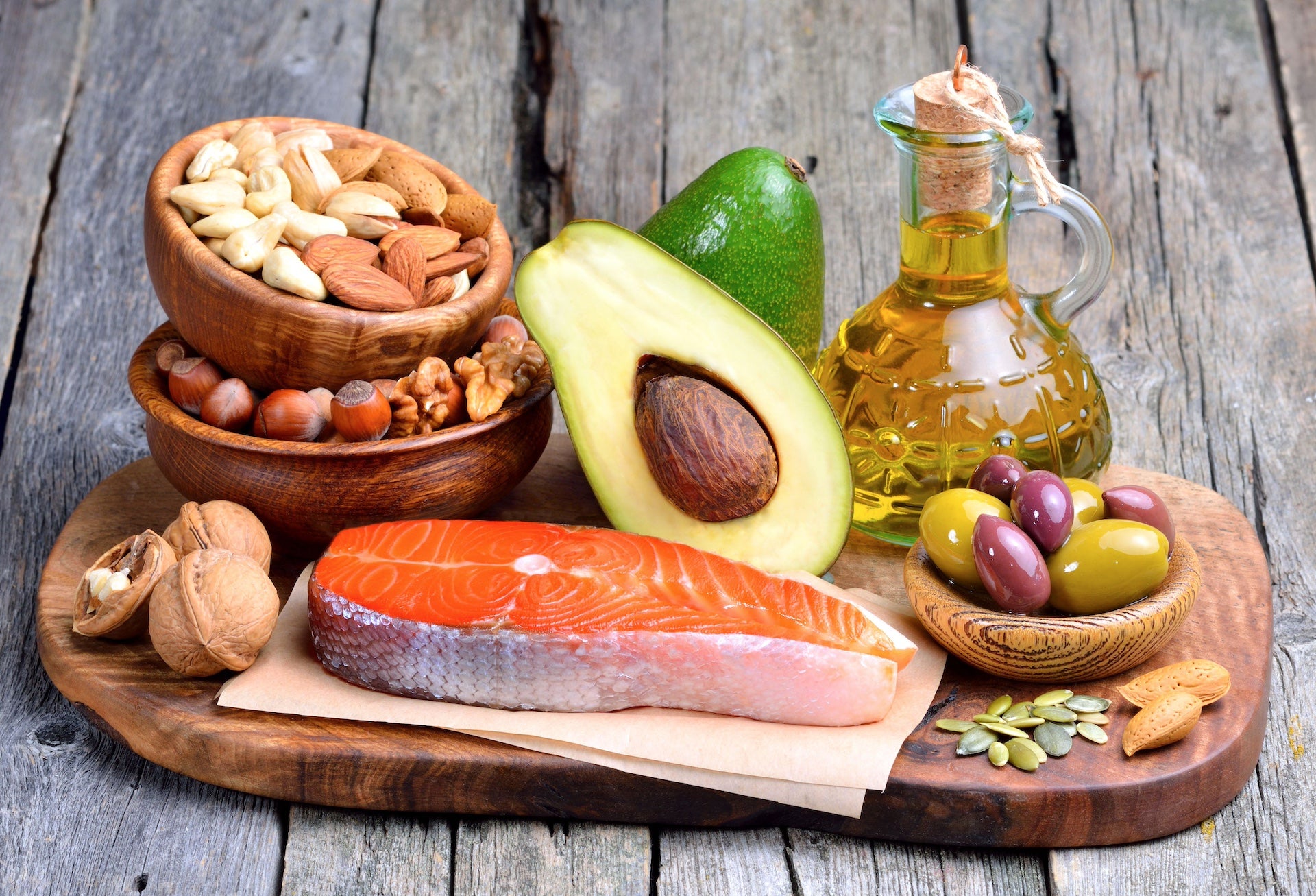
- Sources: Fatty fish (salmon, mackerel, sardines), flaxseeds, chia seeds, and walnuts.
- Health Impact: Omega-3s reduce inflammation, support brain health, and lower the risk of heart disease. They are particularly beneficial in managing blood pressure, reducing triglycerides, and supporting mental health.
5. Monounsaturated Fat
Monounsaturated fats are a heart-healthy option that can improve cholesterol levels and reduce the risk of cardiovascular disease:
- Sources: Olive oil, avocados, almonds, and hazelnuts.
- Health Impact: Monounsaturated fats help reduce LDL cholesterol levels while maintaining HDL levels. They are an excellent choice for improving heart health and supporting weight management.
6. Polyunsaturated Fat
These fats, which include both omega-3 and omega-6 fatty acids, are essential for brain function and cell growth:
- Sources: Fish, flaxseed oil, chia seeds, sunflower oil, and walnuts.
- Health Impact: While omega-3s are highly beneficial, an excess of omega-6s can cause inflammation. Balancing these fats is key to maximizing their health benefits.
Incorporating Healthy Fats into Your Diet
The goal is to consume fats that support health without promoting inflammation or cardiovascular issues. Here are some tips:
- Prioritize Healthy Oils: Use olive oil, avocado oil, or walnut oil for cooking and salad dressings. These oils are rich in monounsaturated fats, which promote heart health and reduce inflammation.
- Include Fatty Fish: Aim to eat fatty fish, such as salmon, mackerel, or sardines, at least twice a week. Fish is an excellent source of omega-3 fatty acids, which reduce inflammation and support brain health.
- Enjoy Nuts and Seeds: Snack on nuts like almonds, walnuts, and seeds like flaxseeds or chia seeds. These foods provide a balance of healthy fats, fiber, and protein, making them a nutritious choice.
- Limit Saturated Fats: While moderate amounts of saturated fat can be part of a healthy diet, try to balance it with unsaturated fats. Choose lean meats, and consider plant-based options like coconut oil if you want to incorporate some saturated fats.
- Avoid Processed Foods with Trans Fats: Check labels for “hydrogenated” or “partially hydrogenated” oils, as these indicate trans fats. Choose whole, unprocessed foods whenever possible to minimize exposure to these harmful fats.
Recommended Fat Intake
The National Academy of Sciences suggests that adults get 20-35% of their daily calories from fat. For young children, fat intake may need to be slightly higher to support brain development. While specific dietary needs vary, aiming for a balanced mix of monounsaturated, polyunsaturated, and omega-3 fats can support health.
Conclusion
Fats are an essential part of a balanced diet, providing energy, supporting cellular health, and contributing to brain function. By choosing healthy sources and minimizing trans and excess omega-6 fats, you can enjoy the benefits of fat while reducing the risk of chronic diseases. Incorporating fats mindfully into your diet empowers you to support both your physical health and overall well-being.
References
 admin
admin