

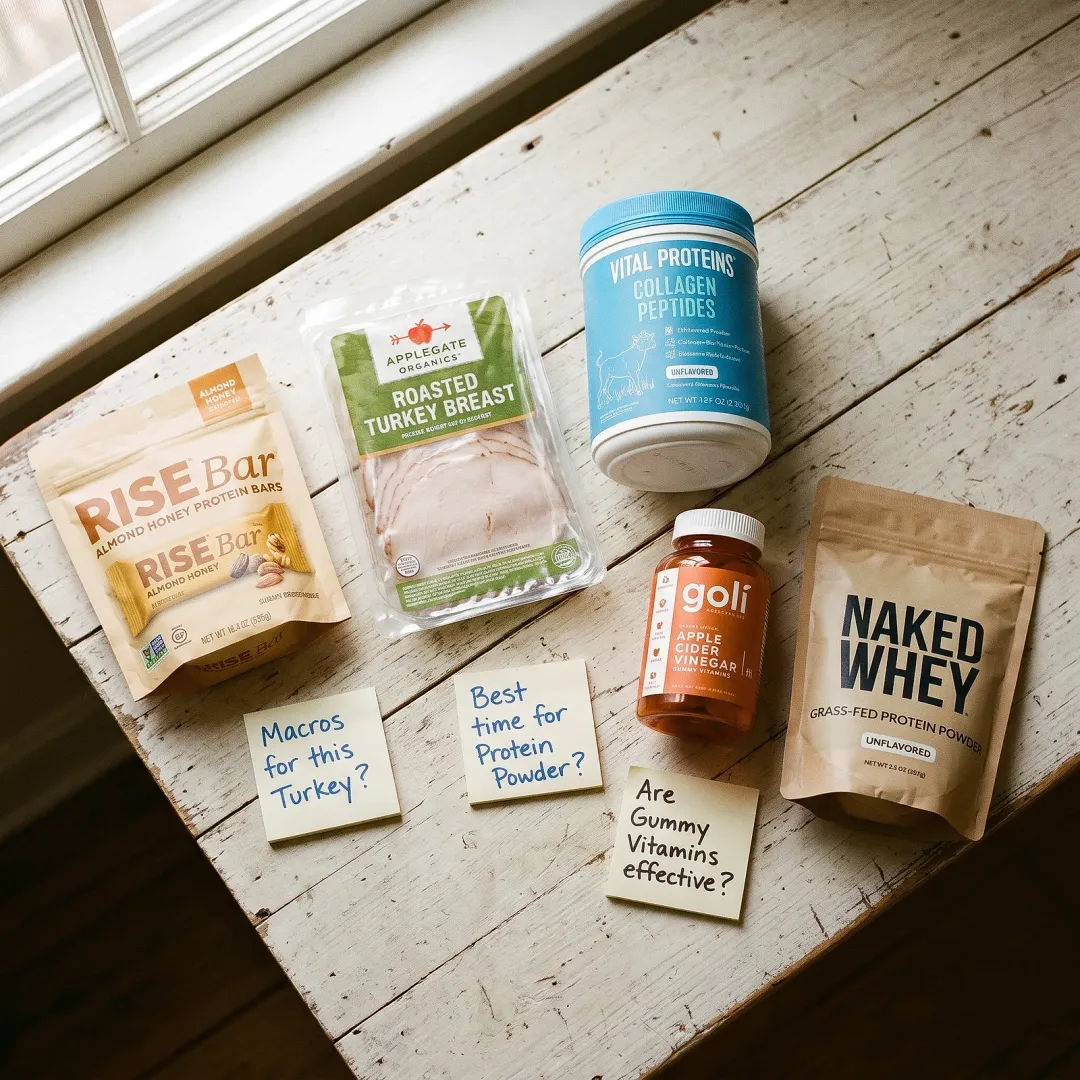

Most people hear "alpha-gal syndrome" and picture a dinner plate. No red meat, fine. Skip the burger, done. But the readers who reach out after a new diagnosis almost always say the same thing: they did everything right at the table and still reacted. That is usually when the packaged food conversation has to start. Because alpha-gal is not just a steak problem. It is a label-reading problem, a supply-chain problem, and an "I had no idea that was in there" problem. The questions below are the ones worth writing down before your next appointment with your doctor or a registered dietitian. Each one is worth asking out loud.
First, a Quick Grounding on What Alpha-Gal Actually Is
Alpha-gal syndrome (AGS) is an immune reaction to a sugar molecule called galactose-alpha-1,3-galactose, which is present in the cells of most mammals. The reaction is triggered by a bite from a lone star tick, which introduces that sugar into the bloodstream. After that, eating or sometimes even touching mammalian products can trigger symptoms that range from hives and stomach pain to, in serious cases, anaphylaxis.
The CDC notes that AGS is increasingly recognized across the United States, particularly in areas where the lone star tick is common. And critically, the NIH points out that reactions can be delayed by two to six hours after exposure, which makes tracing the source genuinely difficult. You eat something at noon, you react at dinnertime. The connection is not obvious.
That delay is part of why hidden sources in packaged food matter so much. When a reaction does not happen right away, it is easy to blame the wrong thing.
Question 1: Does My Sensitivity Extend to Ingredients Derived From Mammals, Not Just Meat?
This is the foundational question, and it shapes everything else on this list. Not everyone with AGS reacts to every mammalian product at the same threshold. Some people react to dairy; some do not. Some react to gelatin; some need a larger exposure before symptoms appear. Your doctor or allergist can help you understand where your personal sensitivity sits based on your testing and symptom history.
Why it matters for packaged food: an enormous number of processed products contain mammal-derived ingredients that have nothing to do with meat. Gelatin (made from pork or beef collagen) shows up in marshmallows, gummy vitamins, capsule shells, and some yogurts. Dairy derivatives like whey, casein, and lactose turn up in protein bars, crackers, bread, and even some deli turkey products as fillers or flavor carriers. Lard and tallow appear in some traditional baked goods and tortillas. The American College of Allergy, Asthma and Immunology lists mammalian meat and dairy as primary concerns for people with AGS, but the practical reach of those ingredients into packaged food is wide.
Until you know your personal threshold, ask your doctor whether you should be scanning for the full range of mammal-derived additives, not only the obvious ones.
Question 2: Which Food Additives Should I Be Watching for on a Label?
Here is where label reading gets genuinely complicated. Beyond meat and dairy, there is a longer list of packaged-food ingredients that may be derived from mammalian sources depending on the manufacturer.
Some to ask your doctor or a registered dietitian specifically about:
Gelatin. Found in gummy candies, marshmallows, some flavored yogurts, Jell-O type products, pâtés, some cream cheeses, and gel capsules for supplements. Almost always pork or beef-derived unless labeled otherwise.
Carmine (also listed as cochineal extract, Natural Red 4, or E120). This one trips people up because it sounds plant-like. It is actually derived from an insect, not a mammal, so it is not an alpha-gal concern on its own, but it appears alongside many other hidden animal ingredients in packaged food, so it is worth understanding how to read that terrain.
Glycerin (glycerol). Can be plant- or animal-derived. When animal-derived, it typically comes from beef or pork tallow. It appears in baked goods, candy, some condiments, and many personal care products. Manufacturers are not required to specify the source on the label.
Stearic acid and stearates (magnesium stearate, calcium stearate). Commonly used as flow agents in supplements and capsule manufacturing. Can be derived from beef tallow or pork fat, though plant-derived versions exist. Again, the label rarely tells you which.
Whey, casein, lactalbumin, lactose. All dairy derivatives. These appear in protein powders, meal-replacement bars, bread, crackers, deli meats, and even some flavored chips as a flavor enhancer.
Natural flavors. This one is frustrating because "natural flavors" under FDA labeling rules can include animal-derived substances. If you see "natural flavors" on a label and you are managing AGS, that is a reason to call the manufacturer and ask.
Bring this list to your appointment and ask which of these your doctor or dietitian thinks you need to avoid based on your specific sensitivity level.
Question 3: Does the Degree of Processing Affect How My Body Reacts?
Some research and clinical observation suggests that heavily processed or highly refined mammal-derived ingredients may provoke different reactions than whole meat in some people with AGS, though this is still an area where science is developing and individual responses vary considerably.
A 2023 review published in the journal Annals of Allergy, Asthma and Immunology noted that the alpha-gal sugar molecule can survive cooking and processing, so simply heating a product does not remove the risk. That said, highly refined products where the original molecular structure has been significantly altered (some oils, for example) may carry lower or negligible alpha-gal content, though this is not guaranteed and should not be assumed without guidance from your clinician.
Why this matters practically: some people with AGS find they can tolerate certain dairy-derived ingredients in small amounts or in highly processed forms while reacting to others. Some cannot tolerate any. This is not a one-size situation. Your allergist can run specific IgE testing for alpha-gal and may be able to help you understand your threshold, which is a conversation worth having before you make sweeping decisions about your diet.
Question 4: What About Supplements and Medications, Not Just Food?
This is a question people often forget to ask until they react to something that was never on a plate.
Gelatin capsules are one of the most common delivery vehicles for supplements and some over-the-counter medications. Many softgel capsules are made from pork or beef gelatin. Some coatings, fillers, and binders in tablets can also contain mammal-derived ingredients like stearic acid, magnesium stearate, or lactose.
The NIH's National Institute of Allergy and Infectious Diseases specifically flags certain medications as potential alpha-gal concerns, including some biologics and drug formulations that use mammalian-derived excipients. The anesthesia conversation is also important: some anesthetic agents have historically used mammal-derived components, so if you have a procedure coming up, your medical team needs to know about your diagnosis.
Before your next appointment, make a list of every supplement and over-the-counter product you take regularly. Ask your doctor or pharmacist to help you check each one for mammal-derived ingredients. This is not a small or unnecessary step.
Question 5: How Do I Handle Cross-Contact in Manufacturing?
Even when a packaged product does not contain a mammal-derived ingredient on its label, it may be manufactured on shared equipment with products that do. This is similar to the cross-contact conversation people with celiac disease have about gluten, and it carries the same practical weight.
The FDA's major food allergen labeling rules cover milk as a top allergen, so "contains milk" or "may contain milk" advisory statements give some protection for dairy. But alpha-gal goes broader than dairy, and there is currently no regulatory labeling requirement that covers all mammal-derived ingredients as a category.
Ask your doctor: given your sensitivity level, do you need to contact manufacturers directly about shared equipment? Are there categories of packaged food where the cross-contact risk is high enough to avoid entirely? The answer will depend on how reactive you are, and that is a clinical judgment call, not one to guess at on your own.
Question 6: Are There Safe, Protein-Rich Packaged Options I Can Rely On?
Real food built around produce, eggs, seafood, and poultry is naturally alpha-gal-friendly, and that is what most of a good AGS eating pattern looks like. But packaged food is part of real life, especially at work, while traveling, or on a rushed weeknight. So the question of which packaged proteins are actually safe to reach for is worth discussing.
Turkey-based products are a common go-to for people managing AGS, since poultry carries no alpha-gal sugar. But here is the catch: some packaged turkey deli meats, sausages, and prepared turkey products contain added fillers, binders, or flavor enhancers that may be dairy or gelatin-derived. A turkey sausage with whey or carrageenan-and-casein seasoning is not necessarily a clean product just because the protein itself is poultry.
Ask your doctor or a registered dietitian to help you build a short list of truly safe packaged staples that fit your threshold. And get specific: ask which label claims ("dairy-free", "paleo", "gluten-free") actually help you narrow things down and which ones are marketing language that tells you nothing about mammal-derived additives.
Question 7: How Do I Know If My Reactions Are Improving, Staying the Same, or Getting Worse?
Alpha-gal syndrome does not always stay at the same severity level over time. Some people find their sensitivity decreases if they avoid further tick bites and keep mammalian exposures low. Others find the opposite. The CDC notes that avoiding additional lone star tick bites is an important part of managing the condition long-term, since re-exposure can maintain or worsen sensitivity.
Keeping a food and symptom journal is one of the most practical tools you have, and it also becomes genuinely useful data for your doctor. Write down what you ate, the brand, any notable label ingredients you noticed, and what happened and when. Because of the delayed reaction window, that kind of record is often the only way to trace a reaction back to its real source.
Ask your doctor how often you should be retested for alpha-gal IgE levels, what trend in your numbers would change your management plan, and what would warrant an updated referral to an allergist if you are not already seeing one. Having a monitoring structure in place takes some of the anxiety out of day-to-day eating.
A Note on Label Reading as a Practice, Not a One-Time Task
Food manufacturers change their formulas. A product that was safe for you six months ago may have a new ingredient today. This is not meant to be exhausting news; it is just the reality of relying on packaged food when you are managing any kind of food sensitivity.
The habit worth building is a quick re-read of any packaged product you buy regularly, especially if the packaging has changed. And when in doubt, the simplest move is usually to start with whole, unprocessed food where the ingredient list is obvious. A piece of roasted turkey, a bowl of rice, some roasted vegetables. No label required.
Real food was always going to be a big part of this. For people with AGS, that is less a philosophy and more a practical lifeline.
Key Takeaways
- Alpha-gal syndrome extends well beyond red meat: gelatin, dairy derivatives, glycerin, and stearates in packaged food may all be relevant depending on your sensitivity level.
- Reactions can be delayed two to six hours after exposure, making hidden ingredients in packaged food a likely culprit when symptoms seem to have no clear cause.
- Supplements and medications, including gel capsules and tablet fillers, can contain mammal-derived ingredients and are worth reviewing with your doctor or pharmacist.
- FDA labeling does not require disclosure of all mammal-derived additives, so calling manufacturers directly is sometimes the only way to get a clear answer.
- Poultry like turkey is naturally alpha-gal-friendly, but some packaged turkey products still contain dairy or gelatin-based additives, so labels still need checking.
- Keeping a food and symptom journal gives your doctor real data to work with and helps trace delayed reactions to their actual source.
- Avoiding additional lone star tick bites is part of long-term management, since re-exposure may worsen sensitivity over time.
Frequently Asked Questions
What packaged foods should I avoid with alpha-gal syndrome?
Alpha-gal syndrome may require avoiding more than just red meat. Packaged foods that may contain mammal-derived ingredients include products with gelatin (gummy candies, marshmallows, some yogurts), dairy derivatives like whey and casein (protein bars, crackers, some deli meats), glycerin from animal sources (baked goods, some condiments), and stearates used as fillers in supplements. 'Natural flavors' on a label can also be animal-derived without specifying the source. Work with your doctor or a registered dietitian to understand which specific ingredients are relevant to your sensitivity level.
Can alpha-gal syndrome cause reactions to supplements and medications?
Yes, supplements and some medications can contain mammal-derived ingredients. Gel capsules are commonly made from pork or beef gelatin. Tablet fillers and coatings may include magnesium stearate, lactose, or other animal-derived excipients. The NIH notes that some drug formulations may also be a concern for people with alpha-gal syndrome. Review your supplements and medications with your doctor or pharmacist before assuming they are safe.
Is turkey safe to eat with alpha-gal syndrome?
Poultry, including turkey, does not contain the alpha-gal sugar molecule and is generally considered alpha-gal-friendly. However, some packaged turkey products (deli meat, sausages, seasoned products) may contain mammal-derived additives like whey, casein, gelatin, or animal-derived natural flavors. Always check the full ingredient list on any packaged turkey product, not just the front-of-pack description.
How do I read food labels for alpha-gal syndrome?
Start with the full ingredient list, not just allergen statements. Look for gelatin, whey, casein, lactose, lactalbumin, glycerin, stearic acid, stearates (magnesium stearate, calcium stearate), and 'natural flavors.' FDA allergen labeling covers milk as a top allergen, which helps catch some dairy derivatives, but it does not cover all mammal-derived additives as a category. When a label is unclear, contacting the manufacturer directly is often the most reliable step. A registered dietitian familiar with food sensitivities can help you build a practical label-reading system.
Sources
- CDC: Alpha-Gal Syndrome
- NIH / NIAID: Alpha-Gal Syndrome
- American College of Allergy, Asthma and Immunology: Alpha-Gal Allergy
- Annals of Allergy, Asthma and Immunology (via DOI): Alpha-gal syndrome: a review of the current literature (2023)
- FDA: Questions and Answers: Consumers About Food Allergen Labeling
Cook for it
Start with one of these Alpha-Gal Friendly recipes:
- Grilled Turkey Breast with Herb Chimichurri and Charred Zucchini
- Braised Chicken Thigh Bites with Smoky Tomato Pan Sauce
- Paleo Spiced Carrot Cake with Whipped Coconut Cream Frosting
Browse every Alpha-Gal Friendly recipe
This article is for general informational purposes only and is not medical advice. Always consult a qualified healthcare professional before making changes to your diet or health routine. Nothing here diagnoses, treats or cures any condition, and food is support alongside medical care, not a replacement for it. If you have, or think you may have, the condition discussed here, work with your doctor or a registered dietitian, and do not start, stop or change any medication without talking to them first.




Join the conversation
What do you think?
Free members can comment, reply and like. It takes ten seconds.