

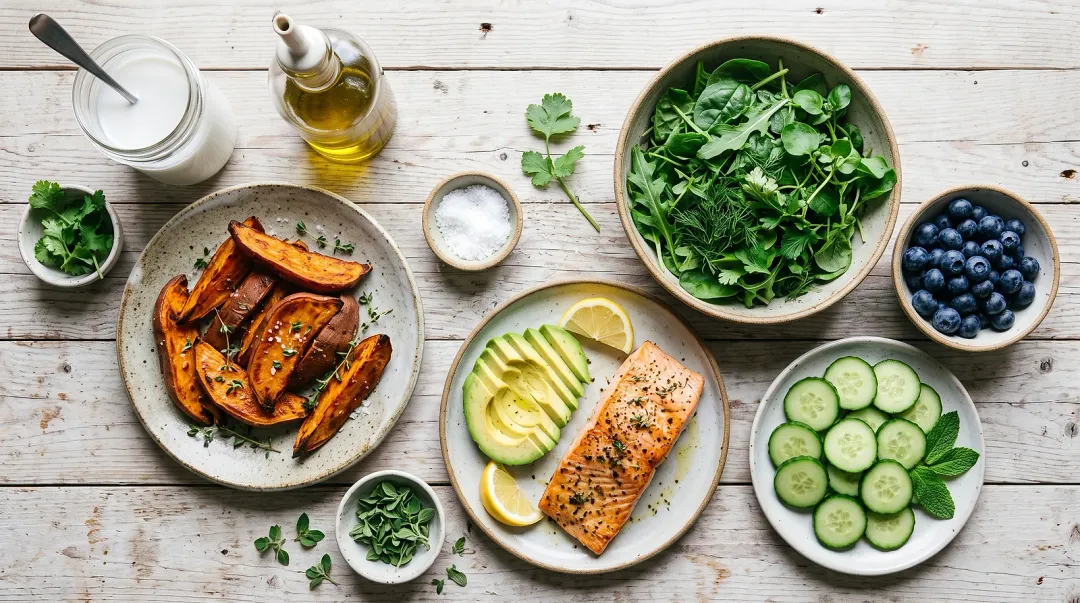

Autoimmune conditions can make you feel like your body is working against you. Food will not cure them, but many people find that what they eat changes how they feel day to day. The Autoimmune Protocol, usually shortened to AIP, is one of the most talked-about approaches. This guide explains what it is, what it asks of you, what the research does and does not show, and how to try it thoughtfully.
What are autoimmune conditions?
In an autoimmune disease, the immune system, which normally protects you from germs, mistakenly attacks the body's own tissues. Hashimoto's thyroiditis, rheumatoid arthritis, inflammatory bowel disease, psoriasis, lupus and multiple sclerosis are all autoimmune conditions.
They are common, and they affect women more often than men, frequently starting during the childbearing years.
Key facts
- There are more than 80 known types of autoimmune disease, and they affect more than 23.5 million Americans (Office on Women's Health).
- The AIP diet is an elimination diet. It removes grains, legumes, nightshades, dairy, eggs, coffee, alcohol, nuts and seeds, refined sugars, certain oils and food additives for a period, then reintroduces foods one at a time.
- In a small 2017 study of adults with inflammatory bowel disease, 73% reached clinical remission by week six on AIP and stayed there through a five-week maintenance phase.
- In a 2019 study of 17 women with Hashimoto's thyroiditis, a 10-week AIP program significantly improved quality of life and lowered symptom scores, and a marker of inflammation (CRP) fell by 29%. Thyroid hormones and antibodies did not change significantly.
- Both studies were small and had no control group, so the evidence is promising but early.
Symptoms and how they are diagnosed
Every autoimmune condition has its own symptoms, but fatigue, joint pain, digestive trouble, skin problems and low-grade fevers are common threads. Diagnosis depends on the condition and usually involves blood tests for specific antibodies, imaging or biopsies. If you have ongoing symptoms like these, see your doctor. AIP is meant to support medical care, never to replace it.
How food relates to autoimmune conditions
The thinking behind AIP is that some foods may irritate the gut or the immune system in sensitive people, and that removing them for a while, then bringing them back one at a time, can reveal personal triggers. At the same time, AIP emphasizes nutrient-dense foods such as vegetables, quality proteins, seafood and fermented foods.
The reintroduction phase is the point of the whole exercise. AIP is not meant to be a forever diet. Staying in the strict phase longer than needed can make it harder to get enough nutrients. A dietitian or practitioner who knows AIP can help you plan both phases.
Foods to build on during elimination
- Fresh meat, poultry, fish and seafood
- Vegetables of every color, except nightshades
- Sweet potatoes, squash, plantains and other starchy root vegetables
- Fruit, in moderate amounts
- Coconut in all its forms: milk, cream, butter, flakes and flour
- Olive oil, avocado oil and coconut oil
- Fresh herbs, garlic, ginger, turmeric and cinnamon
- Bone broth and fermented vegetables, if they agree with you
Foods to avoid during elimination
- Grains, including rice, corn and oats
- Legumes, including beans, lentils, peanuts and soy
- Dairy
- Eggs
- Nuts and seeds, including nut milks, nut butters and seed-based spices such as cumin, coriander seed, mustard and black pepper
- Nightshades: tomatoes, potatoes, eggplant, peppers and pepper-based spices such as paprika, chili and cayenne
- Coffee, chocolate and cacao
- Alcohol, refined sugar and seed oils
- Food additives such as gums and emulsifiers
Label reading and eating out
- Spice blends are the sneakiest problem. Italian seasoning, curry powder and taco seasoning often hide seeds or peppers. Single-ingredient herbs are safest.
- Check dairy-free products for nuts, gums and soy. Almond milk is dairy-free but not AIP.
- At restaurants, keep it simple: grilled fish or chicken cooked in olive oil, steamed or roasted vegetables, and salt. Ask whether pepper or seasoning blends are used.
- Keep a symptom journal during reintroduction, adding one food at a time over several days.
How we label recipes on That Paleo Chick
A recipe earns our AIP-Friendly label only when no ingredient line contains a grain, legume, dairy, egg, nut, seed or seed spice, nightshade, coffee, chocolate, alcohol, refined sugar, seed oil, gum or unspecified protein powder. It is one of our strictest labels, so you will see it on fewer recipes, and every one of them fits the elimination phase as written.
FAQs
How long should the elimination phase last?
Studies have used roughly six weeks before reintroduction or maintenance. Work with your practitioner to decide what is right for you.
Is AIP a cure for autoimmune disease?
No. Early studies suggest it can improve symptoms and quality of life for some people, but it is not a cure and does not replace treatment from your doctor.
Why are eggs, nuts and nightshades out if they are healthy?
They are healthy for many people. AIP removes them temporarily so you can learn whether they bother you personally, then brings them back if they do not.
Is AIP the same as paleo?
AIP is a stricter version of paleo. Paleo keeps eggs, nuts, seeds and nightshades, and AIP removes them during elimination.
This guide is for general education and is not medical advice. Please work with your doctor or a registered dietitian before starting an elimination diet, especially if you have an autoimmune condition, are pregnant, or have a history of disordered eating.
Sources
- Office on Women's Health: Autoimmune Diseases
- The Autoimmune Protocol Diet Modifies Intestinal RNA Expression in Inflammatory Bowel Disease (reports the 2017 pilot results)
- Efficacy of the Autoimmune Protocol Diet as Part of a Multi-disciplinary, Supported Lifestyle Intervention for Hashimoto's Thyroiditis (2019)









Join the conversation
What do you think?
Free members can comment, reply and like. It takes ten seconds.