

On this page
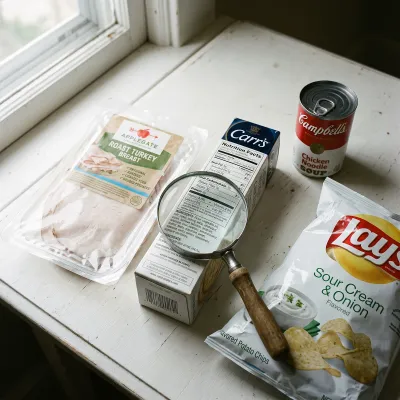
Every fall I hear some version of the same thing from the families I work with: 'We do pretty well over summer, but once school starts everything falls apart.' I get it. The alarm goes off before anyone is ready, someone can't find a shoe, and suddenly a granola bar and a juice box is breakfast. And then we wonder why the teacher sends home a note that says our kid 'had trouble focusing' by 10 a.m. Here's what I want you to know: that's not a discipline problem. That's a blood sugar crash. And we can fix it.
Why Back-to-School Nutrition Actually Matters for the Brain
I'm not going to lecture you with a bunch of statistics, but I do want you to understand the 'why' here, because when you get the why, the habit actually sticks.
The brain runs on glucose. But the key word is stable glucose. When a kid eats a breakfast that's mostly refined carbs, their blood sugar spikes fast and then crashes just as fast. That crash is when the fidgeting starts, the meltdowns happen, and focusing on a math worksheet feels like climbing a mountain. Reviews of the research bear this out: eating breakfast rather than skipping it supports children's attention and memory through the morning, and there's evidence that a lower-glycemic breakfast sustains focus better than a high-glycemic one.
From a functional-medicine coaching lens, I always say: stabilize the blood sugar first, and the behavior, mood, and focus stuff often follows. This isn't about being the perfect paleo parent. It's about giving your kid's brain a fighting chance.
Gut health plays into this too. A growing body of research on the gut-brain axis shows that the microbiome communicates directly with the brain via the vagus nerve, influencing mood and cognition. When we feed kids real food with real fiber and real fats, we're feeding their gut bugs, which in turn supports their brain. That's not woo. That's biology.
The Framework I Coach Every Busy Family Through
Before we even talk recipes, I want to give you the framework I use with clients, because a framework is what makes this sustainable on a Tuesday morning when everything is already sideways.
The Real-Food Plate Rule: Protein + Fat + Color
Every breakfast and every lunch box should have:
- A real protein source (eggs, meat, chicken, tuna, leftover dinner)
- A real fat source (avocado, olive oil, nuts, coconut, full-fat anything)
- At least one color (a vegetable or low-sugar fruit)
That's it. That combination slows glucose absorption, feeds the brain with steady fuel, and keeps hunger at bay so your kid isn't starving by 9:30 and the teacher isn't dealing with a hangry third-grader.
Prep Once, Eat Twice (or Three Times)
The families who actually pull this off are not cooking every single morning. They're cooking once and repurposing. Dinner leftovers become lunch. A batch of egg muffins on Sunday becomes five breakfasts. A big pot of protein covers lunches for three days. I call this 'strategic laziness,' and I mean it as the highest compliment.
Lower the Bar on Variety
Kids actually do fine with repetition. Adults are the ones who get bored. Find three to four breakfasts and four to five lunches your kid will eat, rotate them, and stop feeling guilty about it. Consistency in quality beats variety in junk every single time.
Real-Food Breakfasts That Hold Kids Over All Morning
These are the breakfasts I recommend most in coaching sessions for school-age kids and, honestly, for the adults packing the lunches too.
Egg-Based Breakfasts
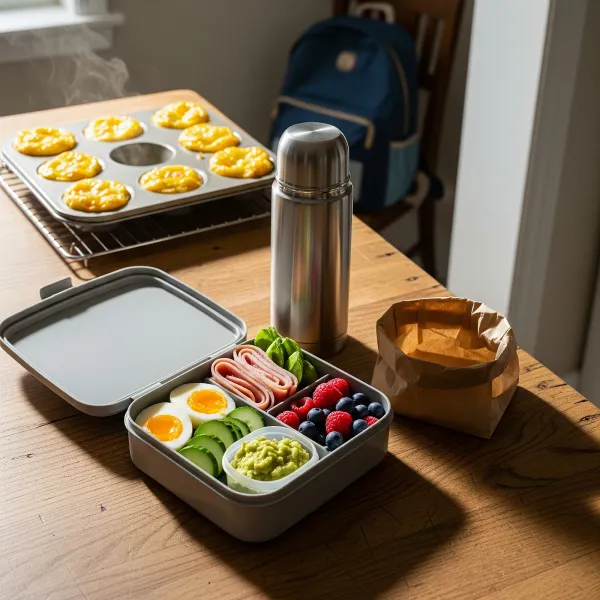
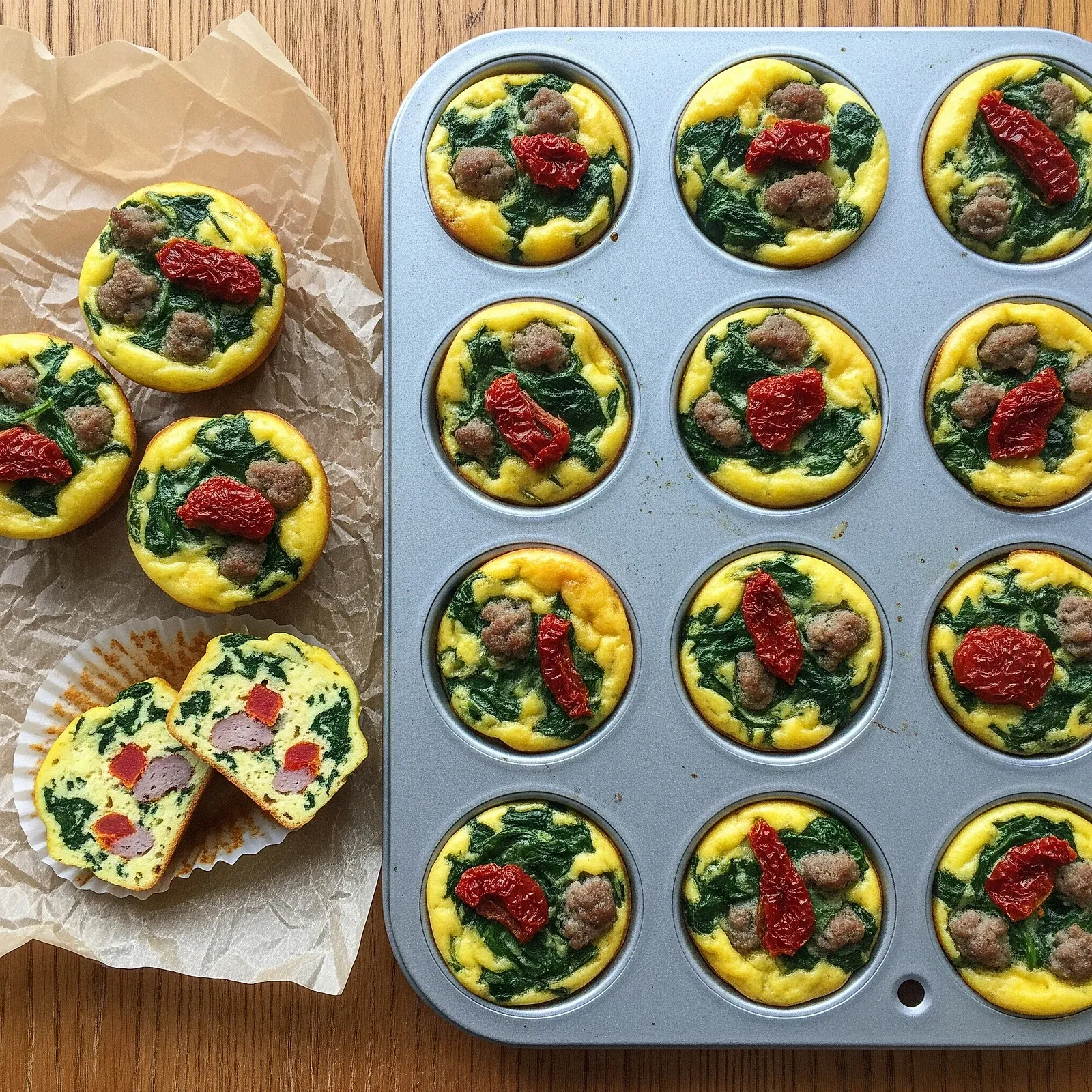
Eggs are the MVP of a real-food morning. High-quality protein, healthy fats, choline for brain development, and they keep blood sugar steady. One of my favorite grab-and-go options straight from the site is a batch of paleo egg muffins:
Make a batch on Sunday, store them in the fridge, and your kid has a warm protein-packed breakfast all week. Pop them in the microwave for 30 seconds and you're out the door.
Smoothies Done Right
I know smoothies get a bad rap in some paleo circles, and honestly, a smoothie that's all fruit and juice deserves the side-eye. But a smoothie built on protein, fat, and fiber? That's a different animal entirely.
The formula I coach: protein base (collagen peptides or a clean protein powder), healthy fat (half an avocado or a tablespoon of almond butter), a handful of leafy greens, and just enough frozen fruit to make it palatable for a seven-year-old. Blend, pour into a travel cup, and breakfast is handled.
Sweet Potato and Egg Combos
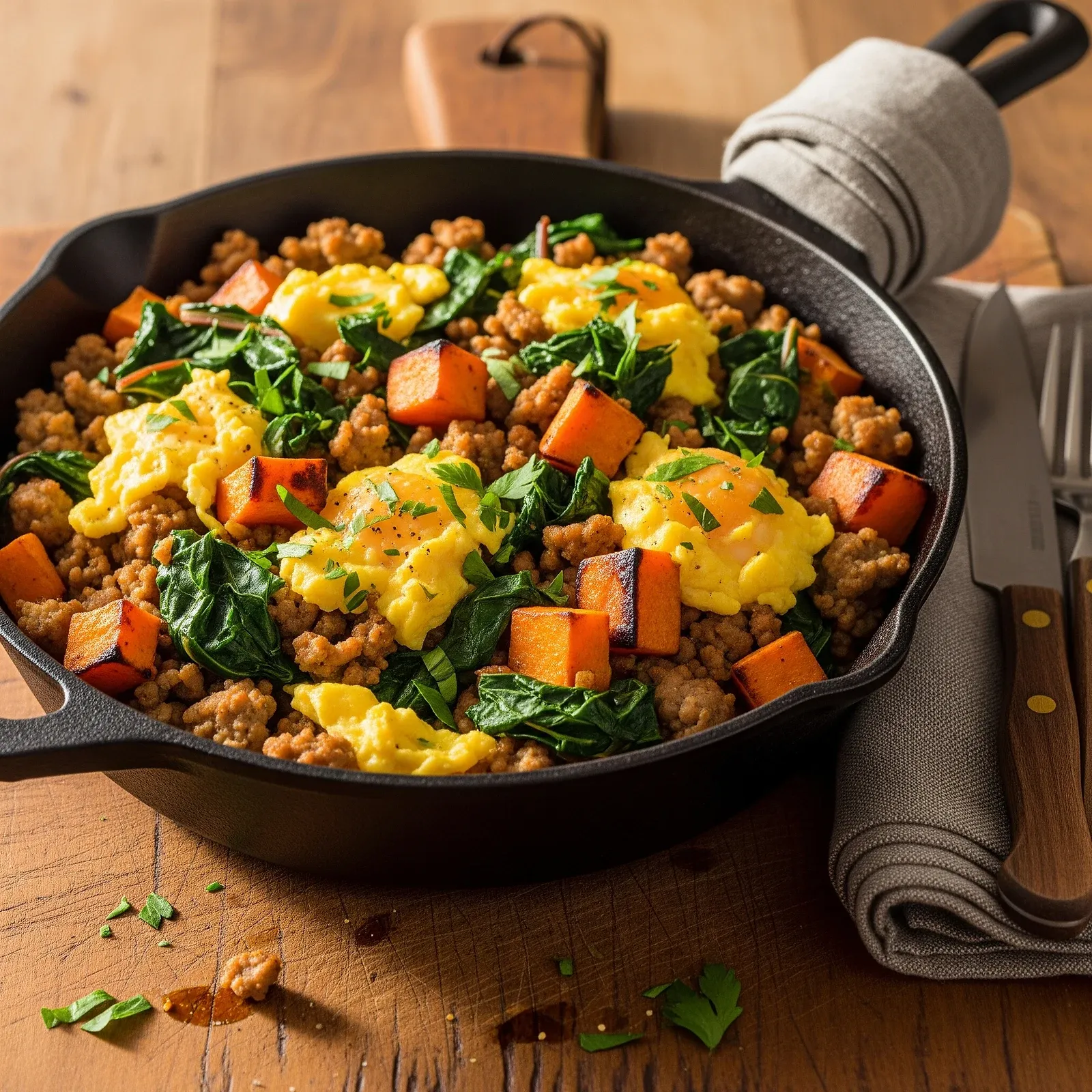
For the kids who need something more substantial, leftover roasted sweet potato paired with two scrambled eggs is one of the most underrated school breakfasts on the planet. The sweet potato provides slow-burning complex carbs, the eggs provide protein and fat, and together they create exactly the kind of steady blood sugar we're going for. You can meal prep roasted sweet potatoes on Sunday and just pull them out all week.
What About Paleo Pancakes and Waffles?
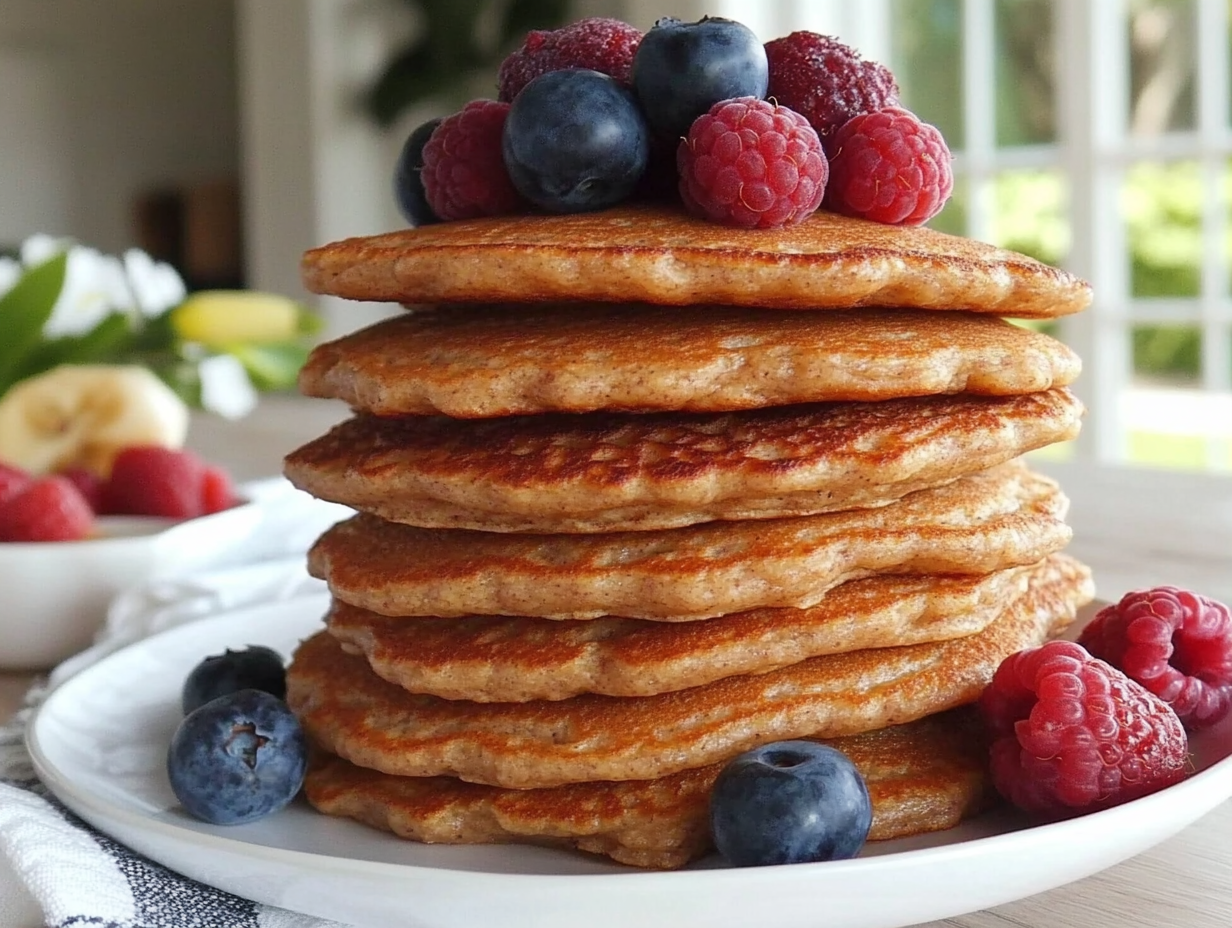
Yes. A thousand percent yes, with the right recipe. Grain-free, almond or coconut flour based pancakes or waffles with a side of eggs or turkey bacon are a perfectly solid school morning breakfast. The key is the side. Pancakes alone spike blood sugar. Pancakes plus protein? Totally different story.
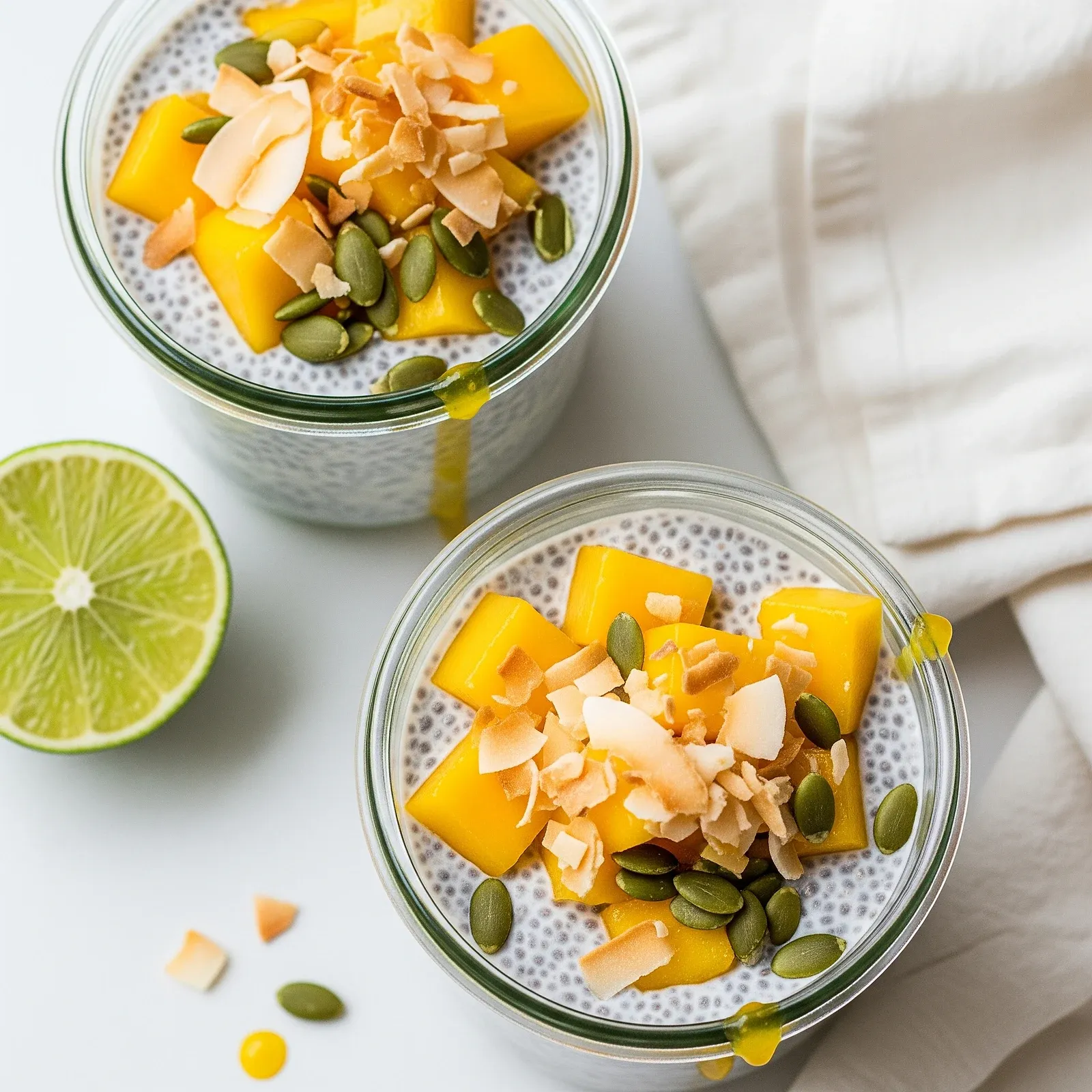
Here are the grab-and-go breakfasts I keep in rotation, most make-ahead:


School Lunches That Won't Come Back Untouched
The lunch box is its own special battle. You spend 20 minutes packing something beautiful and nutritious, and it comes home completely intact while your child informs you they traded their apple for Oreos. I hear this all the time.
Here's my coaching advice: pack less, pack better, and involve them in choosing.
The Lunchbox Formula
- Protein anchor (the main thing)
- Crunchy something (kids need texture, give them a real option)
- Color (veggie or fruit, whatever they'll actually eat)
- Small fat source (handful of nuts, guacamole, olive oil on something)
Protein Anchors That Travel Well
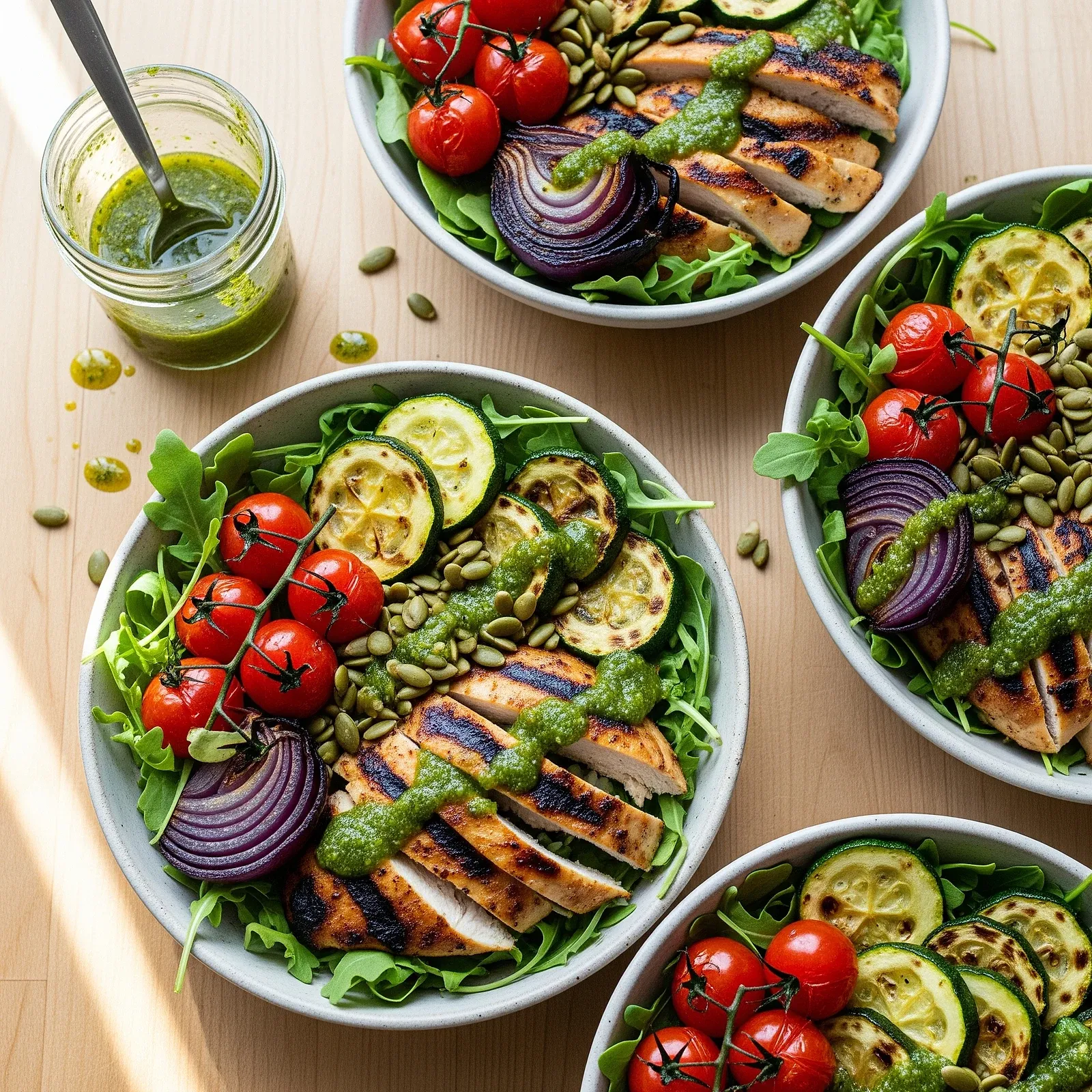
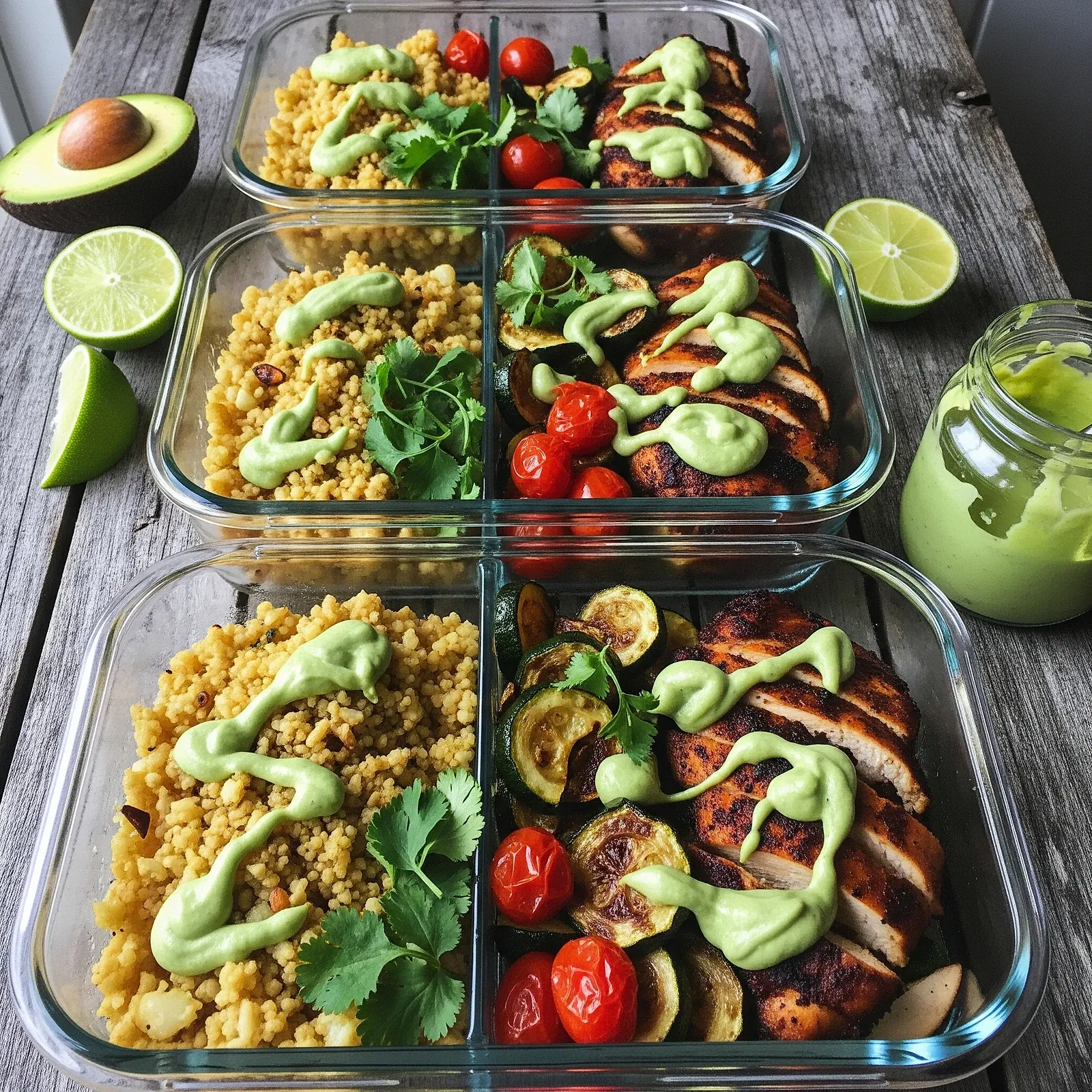
Leftovers are always the answer. Last night's chicken thighs, a meatball or two, sliced steak, a turkey burger patty. Cold real food is still real food, and a lot of kids will eat cold chicken without complaint. You can also use the site's recipes to batch-cook specifically for lunches:
Meatballs are perfect for a thermos: make a double batch, freeze half, and you've got easy hot lunches for weeks.
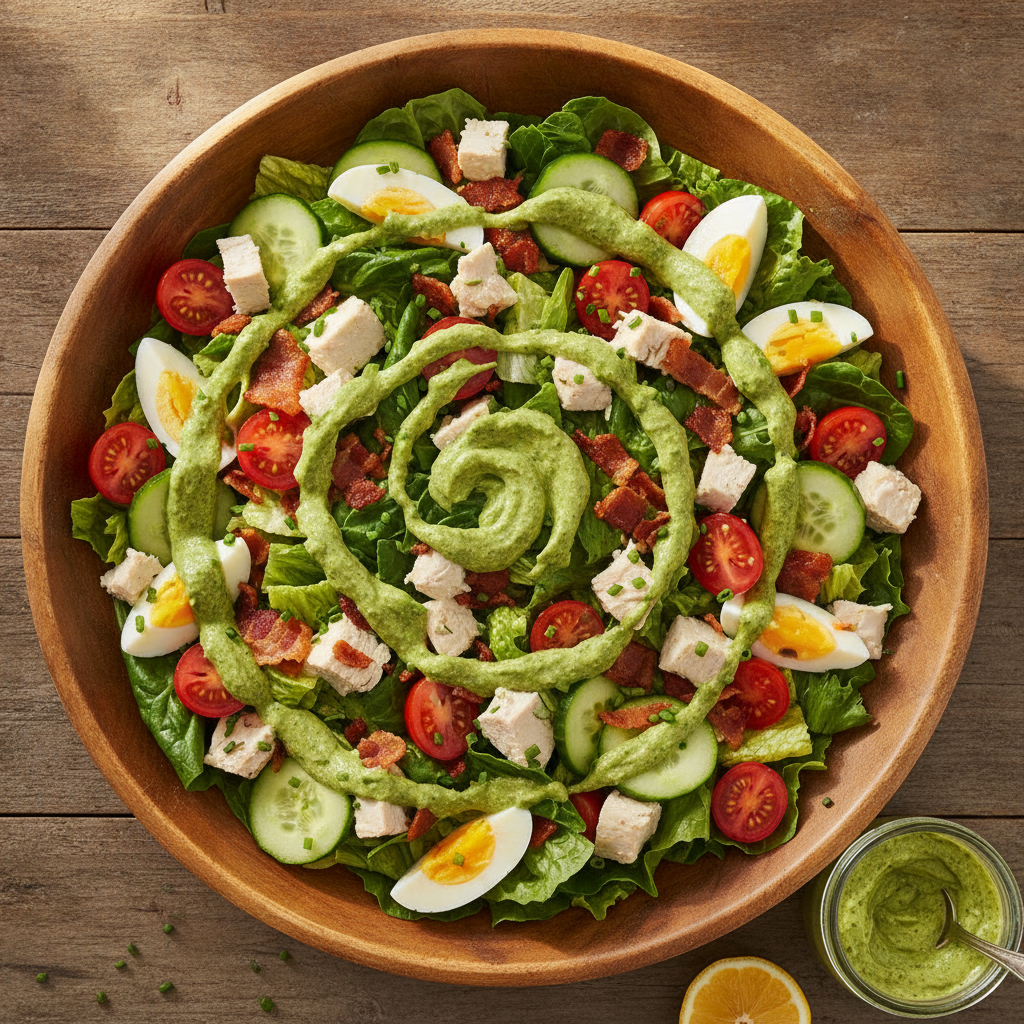
Chicken salad made with avocado mayo or a clean olive-oil based mayo, packed with a few grain-free crackers or lettuce cups, is a lunch that actually looks exciting to kids (and to be honest, to me too).
Wraps and Roll-Ups Without the Bread
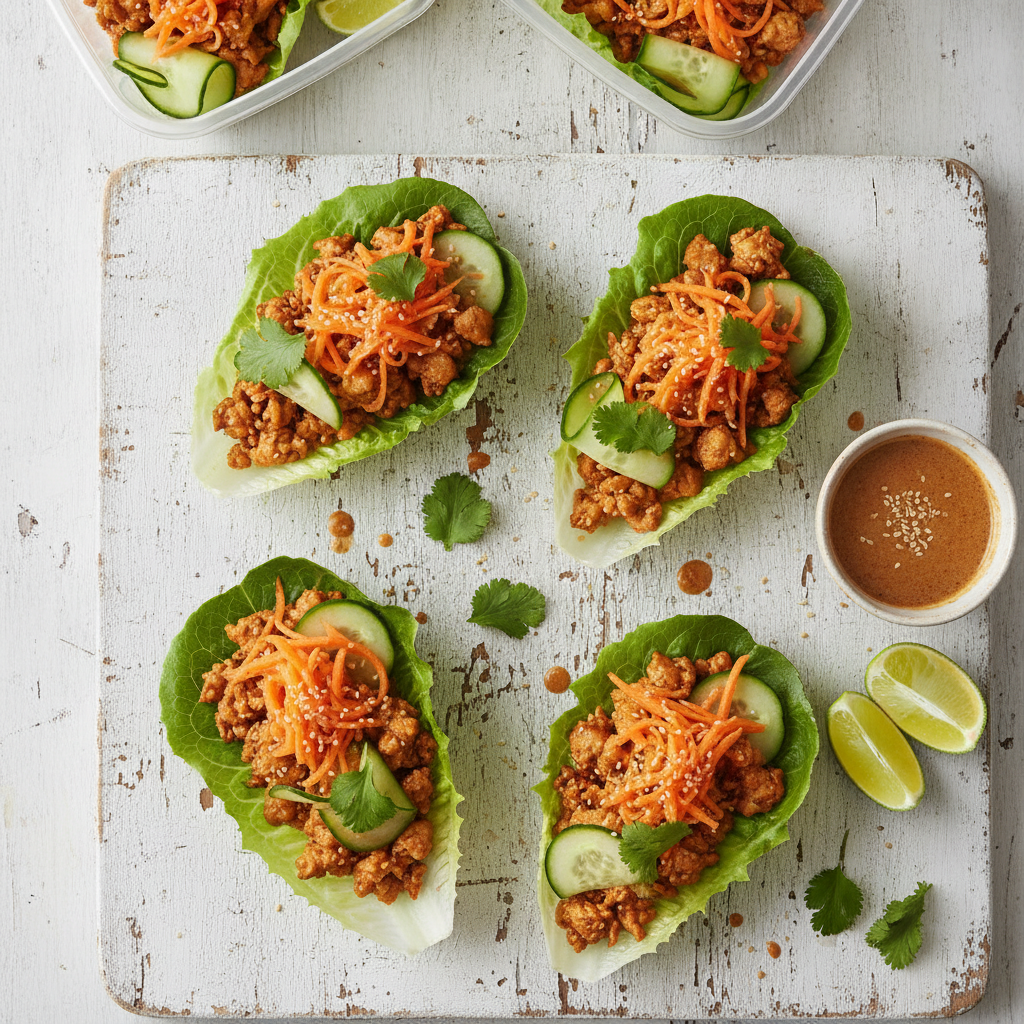
Lunch meat rolled up with avocado and some veggies, no bread required. Or use a big lettuce leaf. Yes, kids will eat this if they're used to it. If they're not used to it, start slowly by just removing the bread for a few days before introducing the lettuce wrap. Don't make it a fight.
The Snack-Style Lunchbox
Some kids eat better when the lunchbox looks like a bunch of snacks rather than a 'meal.' Hard-boiled eggs, cucumber rounds with guacamole, a few olives, some rolled deli meat, a small handful of berries. It covers all the bases without feeling like a big plate of food. This works especially well for younger kids or picky eaters.
Soups and Warm Lunches in a Thermos
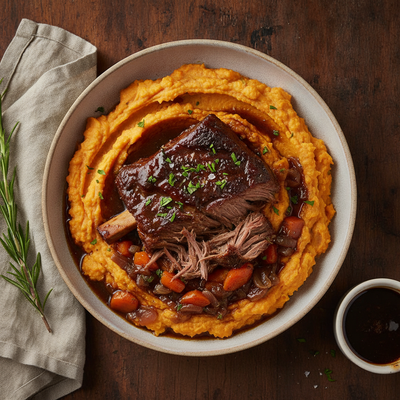
Once the weather turns, a thermos of warm soup or stew is one of the most nourishing lunches you can send. And it's shockingly easy to pull from leftovers.
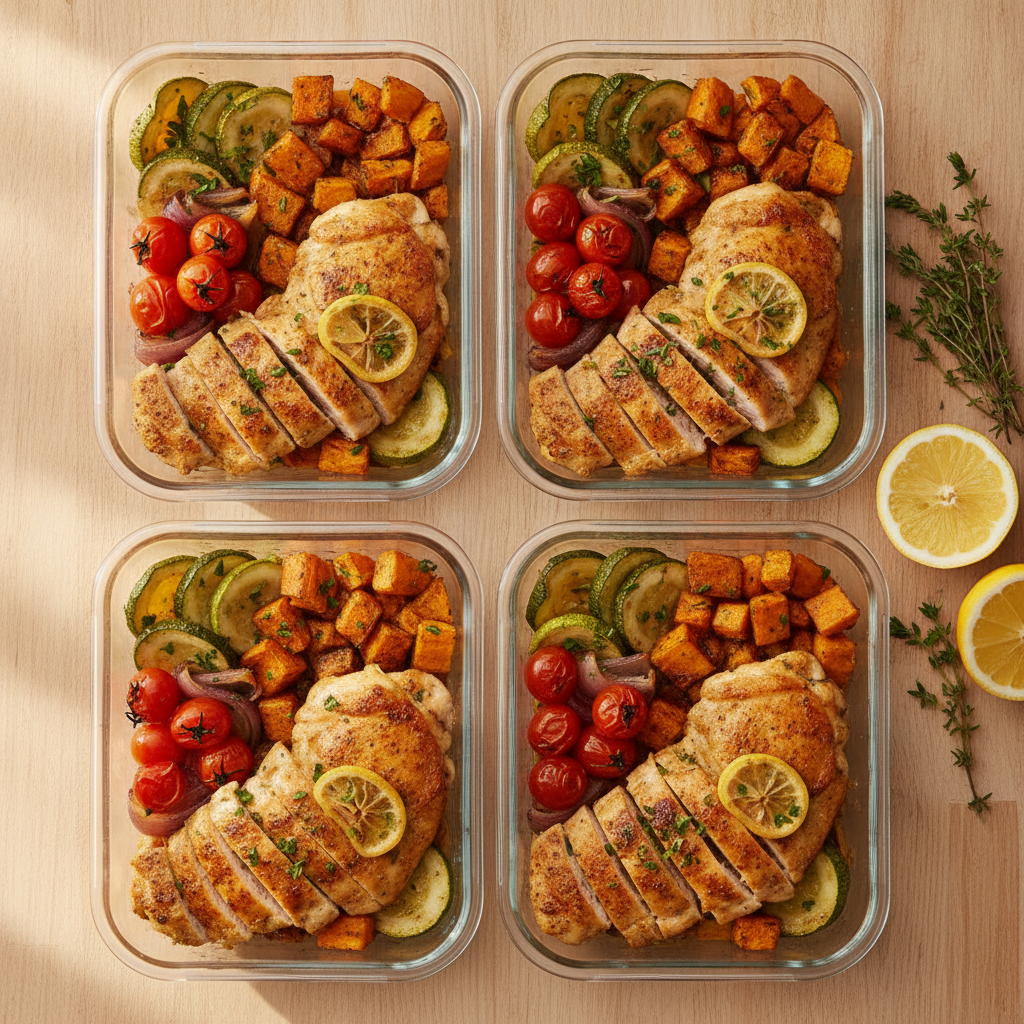
And a week of packable lunches that actually come home empty:

The Sunday Prep Habit That Makes the Whole Week Work
I'm going to be real with you: none of this works without some prep. I know 'meal prep' sounds like a whole production, but I'm not talking about that. I'm talking about 45 minutes on a Sunday that buys you a week of easier mornings.
Here's my back-to-school Sunday prep list:
- Hard boil a dozen eggs. Grab-and-go protein all week, for breakfast, for snacks, for lunch boxes.
- Make one batch of egg muffins or a frittata. Five breakfasts, done.
- Roast a sheet pan of sweet potatoes and whatever vegetables you have. Sides all week.
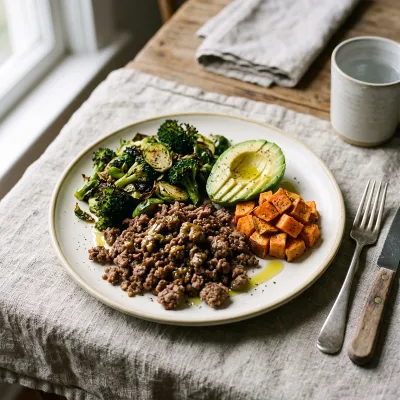
- Cook a big batch of a protein. Chicken thighs in the slow cooker, a pound of ground turkey browned with spices, whatever. This covers lunches and can go in breakfast hashes too.
- Pre-portion snacks. Nuts, cut vegetables, berries. Put them in containers at eye level in the fridge so they actually get grabbed.
That's it. That is genuinely 45 minutes of active work, maybe an hour. And it changes the entire week. The mornings go from reactive and chaotic to: open fridge, grab what's already done, pack, go.
I always tell my clients: the decision fatigue of 'what do I feed them' is the thing that drives us toward the drive-through. Remove the decision by making it on Sunday, and the default becomes real food.
A Note to the Burned-Out Parents Reading This
If you're reading this and feeling overwhelmed, I want to say something directly to you: you don't have to do this perfectly.
I believe these bodies are a gift we've been trusted to steward, and that applies to our kids too. But I also believe grace is a real thing, and a granola bar happens sometimes, and a school lunch pizza Friday isn't going to undo everything. The goal is better, not perfect. The goal is most days, not every single day.
Start with one meal. If breakfasts are the disaster right now, just start there. Make the egg muffins this Sunday. Try it for two weeks. See if you notice a difference in your kid's morning mood or their focus. I'm willing to bet you will, and that will be what motivates you to tackle the lunchbox next.
You're not a bad parent because school mornings are hard. You're a human being with a million things on your plate. But the small shifts in what goes in their lunchbox genuinely matter, and you have more power here than you think.
This article is for general informational purposes only and is not medical advice. Always consult a qualified healthcare professional before making changes to your diet or health routine.
Key Takeaways
- Blood sugar stability at breakfast directly impacts kids' focus, mood, and energy at school. Protein and fat at every meal is the foundation.
- The gut-brain axis means real food supports not just physical health but cognition and mood in kids.
- A simple framework (Protein + Fat + Color) at every meal makes packing easier and more consistent than trying to follow complex rules.
- Batch cooking one day a week, especially eggs, proteins, and roasted veggies, is the single most powerful habit for making real-food school days sustainable.
- Leftover dinner proteins are the most underused school lunch hack. Cold real food is still real food.
- Involve kids in choosing from real-food options. Repetition is fine. Find what works and rotate it.
Frequently Asked Questions
What are the best high-protein breakfasts for school-age kids?
Eggs in any form are the easiest win, scrambled, hard-boiled, or baked into egg muffins you can grab all week. Leftover chicken or turkey sausage alongside some sweet potato is another solid option. The key is pairing a real protein with a healthy fat at breakfast, which stabilizes blood sugar and supports steady focus through the morning.
How do I pack a healthy school lunch without using bread or processed food?
The easiest approach is to anchor the lunchbox around a real protein (leftover chicken, turkey meatballs, hard-boiled eggs, or rolled deli meat), add a crunchy vegetable or fruit, and include a small fat source like guacamole or a handful of nuts. Thermos lunches like soup or stew are great in cooler months. Once you drop the bread, the lunchbox actually gets simpler, not harder.
How do I get my picky kid to eat real food at school?
Start by not overhauling everything at once. Pick one thing to swap, like replacing the sugary cereal with eggs, and give it a week before changing anything else. Involve your child in choosing between two real-food options so they feel some ownership. Pack familiar textures alongside new things. And honestly, keep repeating the things they already like. Rotation beats novelty for most kids.
How much time does it actually take to meal prep real-food school lunches and breakfasts?
About 45 minutes to an hour on Sunday covers most of the week. Hard boil a dozen eggs, bake a batch of egg muffins, roast a sheet pan of sweet potatoes and vegetables, and cook a big batch of a protein like chicken thighs or ground turkey. Those four things alone give you five breakfasts and most of the protein needed for lunches all week. The key is not cooking every morning but pulling from what's already done.
Sources
- Nature Reviews Neuroscience: Mind-altering microorganisms: the impact of the gut microbiota on brain and behaviour
- Advances in Nutrition: The Effects of Breakfast and Breakfast Composition on Cognition in Children and Adolescents
- British Journal of Nutrition: Breakfast glycaemic index and cognitive function in adolescent school children
This article is for general informational purposes only and is not medical advice. Always consult a qualified healthcare professional before making changes to your diet or health routine.