

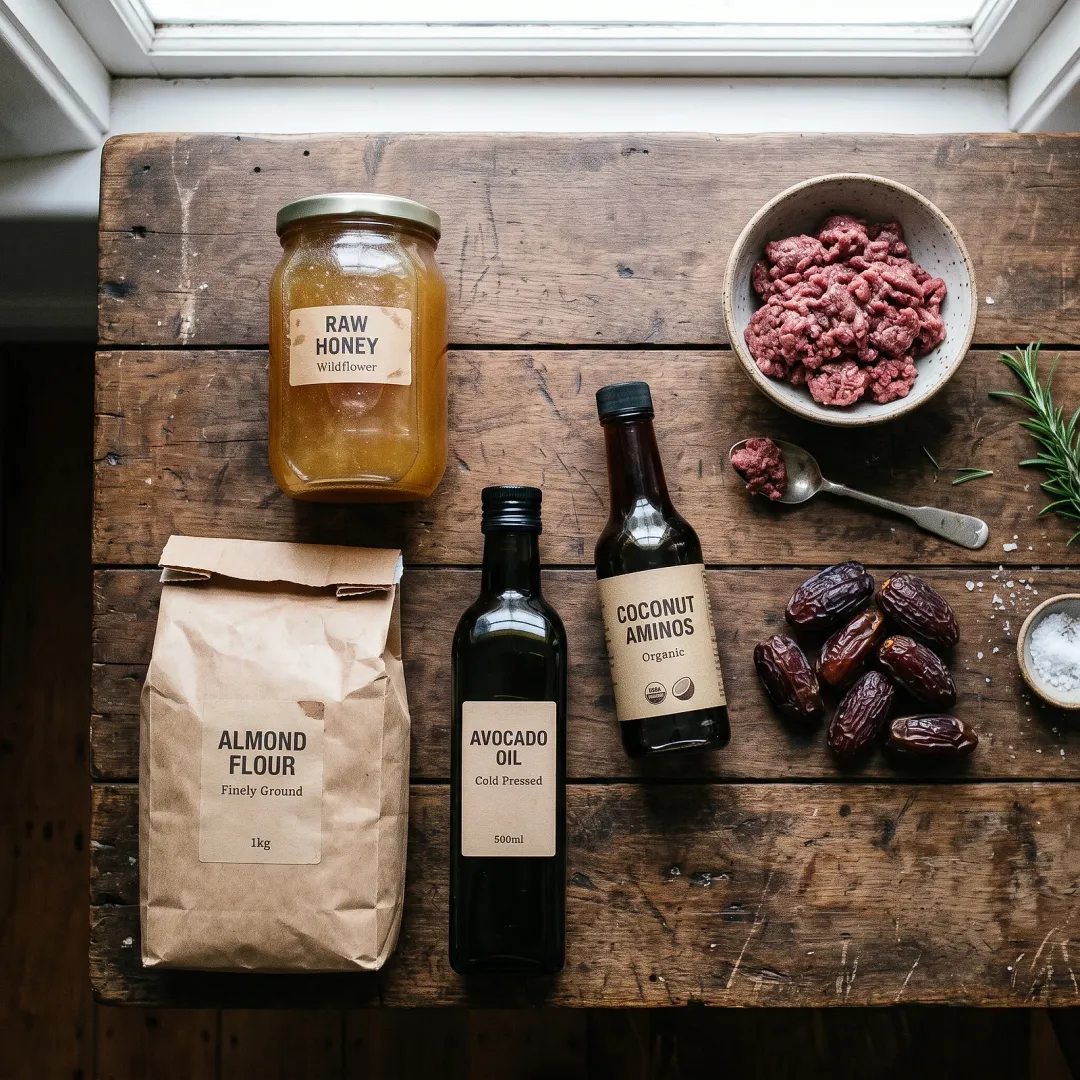

Processed pantry staples are cheap on purpose. Seed oils, refined flour, soy sauce, cane sugar, and shelf-stable grain-based everything cost less per unit because they are engineered to cost less, made from subsidized commodity crops processed down to something your body barely recognizes as food. That system is designed to make real food feel unaffordable by comparison. It is not, though. Not if you know the swaps and where to put your dollars.
Why the Swap Matters Before We Talk Budget
Conventional pantry staples, the ones that anchor most American kitchens, tend to be highly refined, full of additives, and built from ingredients that drive the kind of low-grade inflammation that research keeps linking to metabolic dysfunction. Refined vegetable and seed oils, for instance, are high in omega-6 polyunsaturated fatty acids, and a 2021 review published in Nutrients found that the modern Western diet's dramatically skewed omega-6 to omega-3 ratio is associated with increased markers of systemic inflammation. That is not a fringe opinion anymore. It is showing up in peer-reviewed literature consistently.
So no, swapping those staples is not about following a trend. It is about giving your body actual building blocks instead of processed filler. And the goal of this piece is to show you how to do that without spending yourself into panic at the register.
The Swaps, One by One
All-Purpose Flour → Almond Flour or Cassava Flour
All-purpose white flour is refined, stripped of fiber and nutrients, and spikes blood glucose faster than whole grain alternatives, according to research tracked by Harvard's Glycemic Index resources. Almond flour brings protein, fat, and actual micronutrients into your baking. Cassava flour behaves more like all-purpose flour in texture and is a solid 1:1 substitute for most baked goods.
Budget move: Buy almond flour in bulk (the big bags at Costco or online), not in the small baking aisle pouches. The per-ounce cost drops significantly. Cassava flour from brands like Otto's is pricier per bag but lasts a long time because you use less.
Canola or Vegetable Oil → Coconut Oil, Avocado Oil, or Tallow
This is probably the swap that saves your pantry fastest. Canola and vegetable oils are highly refined, often from genetically modified crops, and go rancid quickly once opened, sometimes before you even open them, depending on how long they sat on a warehouse shelf. Avocado oil has one of the highest smoke points of any cooking fat, making it ideal for high-heat cooking. Coconut oil works beautifully for medium-heat sautéing and baking.
For budget cooking, rendered beef tallow or lard is actually the most affordable option per use. Buy it once, use a little, and it lasts. Fatworks and Epic both make shelf-stable tallow. Or render your own from beef fat scraps, which butchers often sell for nearly nothing.
Soy Sauce → Coconut Aminos
Soy sauce is not paleo for a few reasons: it is made from wheat, it is high in sodium, and soy itself is a heavily processed, heavily sprayed commodity crop. Coconut aminos taste similar, slightly sweeter and milder, and are made from coconut blossom sap. They work in marinades, stir-fries, and dressings.
Budget move: Coconut aminos cost more per bottle upfront, but they are highly concentrated, so a little goes a long way. Buy a larger bottle from Costco or Thrive Market and the per-ounce cost becomes very reasonable.
Refined White Sugar or Corn Syrup → Raw Honey or Medjool Dates
Refined sugar is sugar, stripped of everything but the sucrose. Raw honey, by contrast, still contains trace enzymes, antioxidants, and pollen compounds that research suggests may carry modest health benefits. A 2023 umbrella review in Nutrition Reviews noted that raw honey consumption was associated with more favorable metabolic markers compared to refined sugar, though quantities matter.
Medjool dates are whole food sweeteners that also bring fiber, potassium, and magnesium along for the ride. Blend them into smoothies, energy balls, or sauces for natural sweetness with actual nutrient value.
Budget move: Buy dates in bulk at Middle Eastern grocery stores or on Amazon. Raw local honey is worth the investment, but you use it in smaller quantities than you would refined sugar, so a jar goes further than you think.
Vegetable Broth from a Carton → Homemade Bone Broth or Quality Boxed Broth
Store-bought vegetable broth and even many chicken broths are loaded with yeast extract, natural flavors, and sometimes hidden MSG. Bone broth made from actual bones contains collagen, gelatin, and minerals that the boxed stuff simply does not. A 2017 study in the International Journal of Sport Nutrition and Exercise Metabolism found that collagen peptides from hydrolyzed sources may support connective tissue, suggesting real bone broth's collagen content is worth something.
Budget move: Bones are cheap or free. Ask your butcher for knuckle bones, oxtail scraps, or chicken backs. Throw them in a slow cooker with water, apple cider vinegar, an onion, and whatever vegetable scraps you have saved in a freezer bag. Eight to twelve hours later you have multiple quarts of broth for the cost of almost nothing. Freeze in mason jars.
Pasta → Spaghetti Squash, Zucchini Noodles, or Hearts of Palm Pasta
This one depends on how attached someone in your household is to the idea of noodles. Spaghetti squash is an easy roast-and-fork situation that genuinely works under a meat sauce. Zucchini noodles (zoodles) are mild and pick up flavor from whatever you cook them with. Hearts of palm pasta is the closest texture match and holds up better in hot applications.
Budget move: Spaghetti squash wins on price every time. In season it costs almost nothing per pound at a farmers market or farm stand. Buy several and they store for weeks on a cool counter.
Peanut Butter → Almond Butter or Sunflower Seed Butter
Peanuts are legumes, not nuts, and many commercial peanut butters also contain hydrogenated oils and added sugar. Almond butter is the most common paleo swap. Sunflower seed butter is nut-free and very budget-friendly, often the most affordable option of the three.
Budget move: Look for sunflower seed butter or almond butter at Trader Joe's or Costco. The "no-stir" versions almost always contain palm oil or other stabilizers, so check the ingredient list and opt for the ones where the only ingredient is the nut or seed itself, plus maybe a little salt.
Building a Budget Paleo Week Around Venison
Here is where the "real-food week on a budget" piece comes together, because protein is usually the biggest line item in a paleo grocery budget and most people default to chicken breast every single day without thinking about what else is out there.
Venison is worth talking about seriously. Ground venison is lean, high in protein (roughly 26 grams per 3-ounce cooked serving according to USDA FoodData Central), lower in total fat than most ground beef, and rich in iron and B vitamins. If you have a hunter in the family or a local farm or butcher that carries it, ground venison can be one of the most affordable proteins you can put on the table. Farmers markets in many states carry venison at prices comparable to grass-fed beef, sometimes lower.
Here is what a practical paleo week looks like with venison as the anchor protein and those pantry swaps doing the heavy lifting:
Monday: Ground venison taco bowls over cauliflower rice. Season with cumin, chili powder, garlic, and a splash of coconut aminos instead of store-bought taco seasoning packets (which are full of maltodextrin and anti-caking agents). Top with avocado, salsa, and cilantro.
Tuesday: Use leftover taco meat in a simple egg scramble for breakfast and prep a big pot of bone broth in the slow cooker with whatever bones you sourced.
Wednesday: Venison burgers cooked in avocado oil, served bunless over a simple arugula salad with olive oil, lemon, and sea salt. Spaghetti squash on the side.
Thursday: Venison and sweet potato hash with a fried egg on top. The sweet potato gives you a real-food starch without any of the processed garbage, and the whole thing takes twenty minutes.
Friday: Use the bone broth you made on Tuesday as the base for a vegetable soup. Add any leftover cooked venison, whatever vegetables are in the crisper drawer, and a handful of fresh herbs. This is the day you use the ends of everything and waste nothing.
Weekend: Prep almond flour muffins or cassava flour pancakes to have something grab-able for the following week. Sweetened with a couple of Medjool dates blended in, no refined sugar needed.
This is a full week of paleo eating. The venison is affordable. The swaps are doing their job in every single meal. And you have not bought one item from the processed center aisles.
How to Make the Transition Without Replacing Everything at Once
Nobody needs to rip out their whole pantry on a Saturday and replace it at full cost. That is a great way to feel broke and overwhelmed and quit by Wednesday.
The smarter move is to swap as you run out. When the canola oil is empty, replace it with avocado oil. When the soy sauce runs out, grab coconut aminos. This spreads the cost over several weeks and lets you adjust to the flavors and textures without a dramatic all-or-nothing overhaul.
Prioritize the swaps that show up most often in your cooking. If you cook with oil every single day, the oil swap matters more than the flour swap if you only bake once a month. Work with your actual kitchen habits, not some idealized version of them.
And yes, some paleo swaps do cost more per unit. Almond flour costs more per pound than white flour. Coconut aminos cost more per bottle than soy sauce. But if you are also cutting processed snacks, packaged breakfast foods, and boxed side dishes out of your cart, the overall grocery spend tends to level out or even drop. A 2015 analysis in BMC Public Health found that healthier diets cost on average about $1.50 more per day than less healthy ones, which is real but not insurmountable, especially when you are cutting the processed junk line from your cart entirely.
The money is there. It is just currently going to chips, crackers, and flavored rice cakes.
Label Reading for the Swaps You Buy in a Package
Even paleo swaps can be garbage if you are not reading labels. This matters.
Coconut aminos: ingredient list should say "coconut blossom nectar" and sea salt. That is it. If there are more ingredients, put it back.
Almond flour: should say "blanched almonds" or "almond flour". Nothing else. Some brands sneak in starch or fillers.
Cassava flour: should say "cassava". One ingredient. Done.
Avocado oil: check that it is pure avocado oil. Some bottles marketed as avocado oil are actually blended with cheaper oils. A 2020 study from UC Davis published in Food Control found that a majority of avocado oil samples tested were adulterated or oxidized, so the brand matters. Look for cold-pressed, single-origin options from brands that third-party test.
Bone broth in a box: look for "bone broth" not just "broth" or "stock". The protein content on the label is a decent proxy. Real bone broth will have at least 8 to 10 grams of protein per cup because of the collagen content. If a carton has 1 to 2 grams per cup, it is basically flavored water.
Reading the label is not optional on this stuff. The paleo label on the front means nothing. The ingredient list on the back is the whole story.
Key Takeaways
- Swap all-purpose flour for almond or cassava flour and buy in bulk to manage cost.
- Replace seed and vegetable oils with avocado oil, coconut oil, or tallow. Tallow is often the most affordable option.
- Coconut aminos replace soy sauce 1:1 and are worth the per-bottle cost because they are concentrated.
- Raw honey and Medjool dates are whole-food sweeteners that bring actual nutrition, unlike refined sugar.
- Homemade bone broth from inexpensive scraps is one of the highest-value things you can add to a paleo kitchen.
- Ground venison is a lean, nutrient-dense, budget-friendly protein that anchors a full paleo week without breaking the bank.
- Swap as you run out, not all at once. Spread the transition cost over several weeks.
- Always read the ingredient list on packaged paleo swaps. The front label is marketing. The back label is the truth.
Frequently Asked Questions
What are the best paleo substitutes for all-purpose flour?
Almond flour and cassava flour are the two most practical paleo flour swaps. Almond flour works well in muffins, cookies, and crumb coatings. Cassava flour behaves most like all-purpose flour in texture and can often substitute 1:1 in baked goods. Buying almond flour in bulk (large bags from warehouse stores or online) keeps the cost reasonable.
Is eating paleo actually affordable, or is it expensive?
It can be very affordable with the right strategy. A 2015 analysis in BMC Public Health found that healthier diets cost roughly $1.50 more per day than less healthy ones, but that gap often disappears when you stop buying processed snacks, packaged side dishes, and boxed convenience foods. Prioritizing affordable proteins like ground venison, buying pantry swaps in bulk, making your own bone broth from cheap butcher scraps, and swapping as you run out rather than all at once makes a real-food week very budget-friendly.
Can I use coconut aminos exactly like soy sauce?
Yes, coconut aminos work as a direct substitute for soy sauce in marinades, stir-fries, dressings, and dipping sauces. They are slightly sweeter and milder in flavor than soy sauce, and they are made from coconut blossom sap with no wheat, no soy, and no refined additives. Because the flavor is concentrated, start with the same amount called for in a recipe and adjust to taste.
Is venison a good protein for paleo eating?
Venison is an excellent paleo protein. Ground venison is high in protein, lower in total fat than most ground beef, and rich in iron and B vitamins according to USDA FoodData Central. It is also widely available through hunters, local butchers, and farmers markets in many states, often at a price comparable to or lower than grass-fed beef. It works in tacos, burgers, hash, soups, and anywhere you would use ground beef.
Sources
- Nutrients (MDPI): Omega-6/Omega-3 Fatty Acid Ratio and Chronic Diseases
- Harvard Health: Glycemic Index and Glycemic Load for 100+ Foods
- Nutrition Reviews (Oxford Academic): Effects of Honey Consumption on Metabolic Markers: Umbrella Review
- International Journal of Sport Nutrition and Exercise Metabolism: Collagen Peptides and Connective Tissue Health
- USDA FoodData Central: Venison, Ground, Cooked, Nutritional Profile
- BMC Public Health: Do Healthier Foods and Diet Patterns Cost More Than Less Healthy Options?
- Food Control (ScienceDirect / UC Davis): Purity and Quality of Commercially Available Avocado Oils
This article is for general informational purposes only and is not medical advice. Always consult a qualified healthcare professional before making changes to your diet or health routine.




Join the conversation
What do you think?
Free members can comment, reply and like. It takes ten seconds.