



I used to think minerals were kind of boring. Vitamins got all the hype, all the flashy supplement commercials, all the listicles. Minerals just sort of sat there. Then I started learning what magnesium actually does inside the human body, and honestly, I felt a little embarrassed for ever overlooking it. This is not a niche nutrient for a niche problem. Magnesium is involved in over 300 enzymatic reactions, meaning it has a hand in energy production, muscle contraction, blood sugar regulation, nerve signaling, protein synthesis, and more. If your body were a kitchen, magnesium would be the electricity running the whole thing. You don't notice it until it's gone, and then nothing works right.
What Is Magnesium, Exactly?
Magnesium is an essential mineral, meaning your body cannot make it on its own. You have to get it from food or supplements. It is the fourth most abundant mineral in the human body, with the majority stored in your bones and soft tissues, and only about one percent circulating in your blood. That last part matters a lot, by the way, because a standard serum magnesium blood test only measures that tiny blood fraction. You can have depleted tissue stores and still show a "normal" lab result. This is one of the reasons functional medicine practitioners often look at red blood cell (RBC) magnesium levels instead, which gives a more accurate picture of what's actually available to your cells. Magnesium works as a cofactor, a helper molecule that activates enzymes and makes biochemical reactions possible. Without enough of it, those reactions slow down or stall. That is not a metaphor. It is physiology.
The Big Benefits of Magnesium (What the Research Actually Shows)
Let me walk you through the areas where magnesium earns its keep. These are not fringe claims. These are well-studied, repeatedly documented functions. Energy Production Every cell in your body generates energy through a molecule called ATP (adenosine triphosphate). Here is the thing: ATP must be bound to magnesium to be biologically active. Magnesium-ATP is the actual usable form. If you are chronically tired for no obvious reason, low magnesium is absolutely worth considering. Muscle Function and Recovery Magnesium and calcium work together in a push-pull relationship to control muscle contractions. Calcium triggers a contraction; magnesium signals the muscle to relax. Without adequate magnesium, muscles can stay in a contracted, tense state. Cramps, twitches, and that annoying eye twitch that won't quit? Classic low-magnesium signs. Research published by the National Institutes of Health confirms that magnesium is essential for normal muscle function, and that deficiency is associated with muscle cramps and spasms. Blood Sugar and Insulin Sensitivity Magnesium plays a direct role in insulin signaling and glucose metabolism. Low magnesium levels have been associated with insulin resistance and an increased risk of type 2 diabetes. A large meta-analysis found that higher magnesium intake was significantly associated with a lower risk of type 2 diabetes. If you are eating a real-food diet and trying to stabilize your blood sugar, magnesium is part of that puzzle. Heart Health Your heart is a muscle. A big, hardworking, never-takes-a-day-off muscle. Magnesium is critical for maintaining a normal heart rhythm, supporting healthy blood pressure, and protecting the cardiovascular system. Research has found that adequate magnesium intake is associated with lower blood pressure and reduced risk of cardiovascular events. The American Heart Association has acknowledged the relationship between magnesium and heart health in multiple publications. Bone Strength Calcium gets all the bone-health credit, but magnesium is equally critical. About 60 percent of your body's magnesium is stored in your bones, where it influences bone density and the activity of cells that build and break down bone tissue. Studies have linked higher magnesium intake with greater bone mineral density, especially in older adults. Nervous System and Stress Response Magnesium regulates neurotransmitters and the body's stress-response system. It acts as a natural gatekeeper for NMDA receptors in the brain, which are involved in nerve signal transmission. It also helps regulate cortisol, your main stress hormone. When you are under chronic stress, your body burns through magnesium faster, which is a vicious cycle because then the low magnesium makes you even more reactive to stress. Researchers have found a consistent inverse relationship between magnesium status and anxiety symptoms, though more large randomized trials are still needed to nail down exact dosing recommendations. Migraine Prevention Low magnesium levels have been directly linked to migraines. The American Migraine Foundation notes that people who experience migraines tend to have lower magnesium levels than those who do not, and magnesium supplementation is considered a legitimate preventive strategy by many neurologists. If you get regular migraines, this is one of the first things worth discussing with your healthcare provider.
Why So Many of Us Are Running Low
Here is the part that should make you mad. Magnesium deficiency is extremely common in the United States. Estimates suggest that somewhere between 48 and 68 percent of Americans do not meet the estimated average requirement for magnesium from their diet alone. Nearly half of us. Maybe more. Why? A few reasons, and none of them are your fault exactly, but they are worth knowing. First, the soil. Industrial agriculture has depleted the mineral content of our farmland significantly over the past century. Crops grown in depleted soil produce food with less magnesium, full stop. This means even if you are eating vegetables, you may not be getting as much magnesium from them as your great-grandmother did. Second, processed food dominates the American diet. Magnesium lives in the parts of food that get stripped away during processing. Refined grains, for example, have had the bran and germ removed, which is exactly where the magnesium was. White flour, white rice, packaged snacks? Nearly zero magnesium. Third, several very common things deplete magnesium from the body: chronic stress (big one), alcohol, caffeine, high sugar intake, certain medications like proton pump inhibitors and diuretics, and sweating heavily. So your high-stress, coffee-fueled, processed-food lifestyle is essentially a magnesium-draining machine. Fourth, as I mentioned earlier, standard blood tests often miss it. Doctors check serum magnesium and it looks normal, so the conversation ends. Functional medicine practitioners dig deeper.
Signs You Might Be Low
I want to be clear: I am a functional medicine health coach, not your doctor. I am not diagnosing you. But I do think it is worth knowing what low magnesium can look like in real life, so you can have an informed conversation with your healthcare provider. Common signs associated with low magnesium include:
- Muscle cramps, twitches, or spasms (especially leg cramps at night)
- Fatigue that does not improve with rest
- Difficulty falling or staying asleep
- Anxiety, irritability, or feeling wired but tired
- Headaches or migraines
- Constipation
- Irregular heartbeat or palpitations
- High blood pressure
- Poor blood sugar control
None of these symptoms are exclusive to magnesium deficiency, which is why testing and working with a knowledgeable practitioner matters. But if several of these resonate, magnesium is a reasonable place to start the conversation.
The Best Real-Food Sources of Magnesium
This is where I get excited, because the foods highest in magnesium are genuinely delicious whole foods. Real food, just like we are designed to eat. Top whole-food sources of magnesium include: Dark leafy greens: Spinach is a standout. One cup of cooked spinach has around 157 mg of magnesium. Swiss chard is close behind. Pumpkin seeds: One of the most concentrated food sources of magnesium available. An ounce of pumpkin seeds delivers roughly 156 mg. Roast them, toss them on a salad, eat them by the handful. Dark chocolate (70% cacao or higher): One ounce of 70 to 85 percent dark chocolate contains about 64 mg of magnesium. You are welcome. Avocado: One medium avocado provides around 58 mg. Another reason avocados deserve their reputation as a nutrient-dense food. Wild-caught fatty fish: Salmon and mackerel both contain meaningful amounts of magnesium alongside their omega-3 fatty acids. Nuts: Almonds and cashews are particularly good sources. An ounce of almonds has about 80 mg. Legumes: Black beans, lentils, and chickpeas are high in magnesium. If you are strict paleo and avoid legumes, lean harder on the seeds, greens, and nuts. Bananas: Often overlooked, but a medium banana has about 32 mg. The pattern here is unmistakable. Whole, minimally processed, nutrient-dense foods. Every single one. This is exactly what a real-food approach to eating gives you: not just macros, but minerals. The stuff your body actually needs to run.
What About Supplements?
Food first. Always food first. But I also live in the real world, and I know that even people eating beautiful, whole food diets can still fall short of magnesium because of soil depletion, high stress, or increased physiological demand. If you decide to supplement, the form matters. Here is a quick breakdown of the most common types: Magnesium glycinate: Bound to the amino acid glycine. Highly bioavailable, gentle on the stomach, and often used to support sleep and reduce anxiety. This is a solid starting point for most people. Magnesium malate: Bound to malic acid. Well absorbed and often preferred for energy and muscle recovery. Magnesium citrate: Common, affordable, and reasonably well absorbed. It has a mild laxative effect at higher doses, which can be helpful for constipation or a problem depending on your goals. Magnesium oxide: The cheapest and most commonly sold form. Also the least bioavailable. Your body absorbs a fraction of what is in the pill. I would skip it. Magnesium threonate: A newer form that may cross the blood-brain barrier more effectively, which is why some researchers are studying it for cognitive function and neurological support. Promising, but more expensive and still accumulating evidence. The recommended dietary allowance for magnesium is 400 to 420 mg per day for adult men and 310 to 320 mg per day for adult women, with slightly higher needs during pregnancy. Supplemental doses typically range from 100 to 400 mg per day. Please talk to your healthcare provider before supplementing, especially if you have kidney disease, as the kidneys regulate magnesium excretion and impaired kidney function can make supplementation risky.
Who Should Be Extra Careful
Most healthy people can safely increase magnesium-rich whole foods without worry. The body is good at excreting excess dietary magnesium through the kidneys when everything is working properly. However, a few groups need to pay special attention: People with kidney disease: Impaired kidney function means the body cannot efficiently clear excess magnesium, which can lead to hypermagnesemia (too much magnesium in the blood). This is rare from food alone but a real concern with supplements. People on certain medications: Diuretics, proton pump inhibitors, antibiotics, and certain diabetes medications can all interact with magnesium, either depleting it or affecting how the body uses it. Always check with your pharmacist or doctor. People with digestive disorders: Conditions like Crohn's disease or celiac disease can impair magnesium absorption, meaning these individuals may need to supplement under medical guidance. Pregnant and breastfeeding women: Needs increase during pregnancy. Magnesium is safe and important, but dosing should be confirmed with a provider. Bottom line: if you have any chronic health condition or take any regular medications, bring your magnesium questions to your doctor or a knowledgeable functional medicine practitioner. This is one of those minerals where the context of your whole health picture really matters.
The Real Food Takeaway
I think about nutrients like this: God did not design us to need a pharmacy to be healthy. He gave us food. Real food, grown from the earth, full of the vitamins and minerals our bodies were built to run on. Magnesium is a perfect example of that design. It is everywhere in whole foods: in the dark green leaves, in the seeds, in the nuts, in the good stuff. The moment we started stripping our food down to white powder and shelf-stable packages, we stripped out the minerals too. And now we are a nation of people who are tired, wired, cramping, and running on empty and we cannot figure out why. Eating real food is not just a preference or a trend. It is returning to the way we were designed to eat. Magnesium is not a magic bullet, but getting enough of it, from real food first, is one of the most foundational things you can do for your health. Start there. Build your plate around the foods that actually feed your cells. And maybe roast some pumpkin seeds while you are at it. This article is for general informational purposes only and is not medical advice. Always consult a qualified healthcare professional before making changes to your diet or health routine.
Key Takeaways
- Magnesium is involved in over 300 enzymatic reactions and is essential for energy production, muscle function, heart health, blood sugar regulation, bone strength, and nervous system support.
- Nearly half of Americans do not get enough magnesium from diet alone, largely due to soil depletion and processed food consumption.
- Standard serum magnesium blood tests can miss deficiency; red blood cell (RBC) magnesium is a more accurate marker.
- The best food sources are whole, minimally processed foods: pumpkin seeds, dark leafy greens, nuts, avocado, dark chocolate, and fatty fish.
- If supplementing, form matters. Magnesium glycinate and malate are among the most bioavailable and well-tolerated forms.
- People with kidney disease or on certain medications should consult a healthcare provider before supplementing.
Frequently Asked Questions
What does magnesium do for the body?
Magnesium is involved in over 300 enzymatic reactions in the body. It supports energy production (your cells literally need magnesium to use ATP, the body's energy currency), muscle contraction and relaxation, heart rhythm, blood sugar regulation, bone density, and nervous system function. It is one of the most essential minerals for overall physiological health.
What are the signs of magnesium deficiency?
Common signs associated with low magnesium include muscle cramps or twitches (especially nighttime leg cramps), persistent fatigue, difficulty sleeping, anxiety or irritability, headaches or migraines, constipation, heart palpitations, and poor blood sugar control. These symptoms overlap with many conditions, so it's worth discussing with your healthcare provider and asking for an RBC magnesium test rather than a standard serum test.
What foods are highest in magnesium?
The richest whole-food sources of magnesium include pumpkin seeds (about 156 mg per ounce), cooked spinach (about 157 mg per cup), almonds (about 80 mg per ounce), avocado (about 58 mg per medium fruit), dark chocolate at 70% cacao or higher (about 64 mg per ounce), and wild-caught fatty fish like salmon. Building meals around these foods is a practical, real-food strategy for meeting your magnesium needs.
Is magnesium glycinate or magnesium citrate better?
Both are well-absorbed compared to cheaper forms like magnesium oxide. Magnesium glycinate is bound to glycine, an amino acid that has calming properties, making it a popular choice for sleep support and anxiety. It is also gentle on the digestive system. Magnesium citrate is slightly more affordable and has a mild laxative effect at higher doses, which can be useful for constipation. The "best" form depends on your reason for supplementing. When in doubt, talk to your healthcare provider or a functional medicine practitioner.
Sources




 Academic Editor: Osman Kucuk ✉Corresponding author.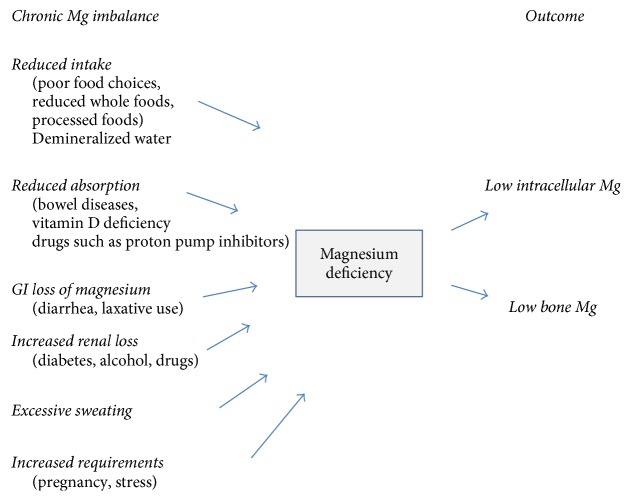
 Xuexian Fang
This article is for general informational purposes only and is not medical advice. Always consult a qualified healthcare professional before making changes to your diet or health routine.




Join the conversation
What do you think?
Free members can comment, reply and like. It takes ten seconds.