



Chronic diseases are on the rise. From autoimmune disorders and diabetes to heart disease and metabolic syndrome, millions of people live with conditions our healthcare system struggles to reverse. Chronic disease now affects 6 in 10 U.S. adults, and 4 in 10 live with two or more chronic conditions [Preventing Chronic Disease]. Instead of addressing the root cause, today’s system often focuses on managing symptoms: prescribing medications, performing procedures, and reaching for quick fixes that never touch the underlying issue.
Modern medicine has made incredible advances in acute and emergency care. Where it falls short is chronic illness. The problem isn’t a lack of science; it’s a mismatch between the model and the disease. Let’s walk through why the conventional approach struggles with chronic conditions, what the research actually shows, and what you can do about it.
The Conventional Model: A Band-Aid Approach
Most physicians are trained to diagnose based on symptoms, then prescribe something to manage those symptoms. That model works beautifully for acute problems like infections, broken bones, and trauma. Chronic disease is a different animal.
Here’s where it breaks down:
- Medications often manage symptoms rather than address causes. Statins lower cholesterol, but they don’t change the diet and inflammation upstream of it. Insulin controls blood sugar, but it doesn’t reverse the insulin resistance driving type 2 diabetes.
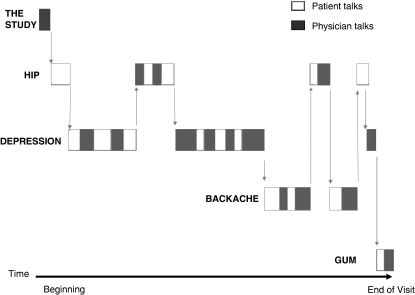
- Appointment times are short. A study of primary care visits found a median visit length of 15.7 minutes covering a median of six topics, with the minor topics getting about 1.1 minutes each [Health Services Research]. That is not enough room to explore diet, sleep, stress, and environmental triggers.
- Specialists often treat symptoms in isolation. Someone with an autoimmune condition might see a rheumatologist for joint pain, a gastroenterologist for gut issues, and a neurologist for brain fog, with nobody looking at the whole picture.
- Prevention is underemphasized. Rather than focusing on what drives chronic illness in the first place, the system largely waits for disease to appear before acting.
The Pharmaceutical Industry’s Role in Chronic Illness
This isn’t a conspiracy. It’s incentives. Chronic conditions are largely managed with long-term medication, and that reality shapes what gets funded, studied, and prescribed.
- Many drugs are designed for maintenance, not resolution. Blood pressure medications, antidepressants, and proton pump inhibitors can hold symptoms at bay for years without correcting what is driving them.
- Industry payments track with prescribing. A systematic review of 36 studies in Annals of Internal Medicine found the association between industry payments and physician prescribing was consistent across every study that evaluated it, and that patterns in timing and dose-response “suggest a causal relationship” [Annals of Internal Medicine].
- Lifestyle interventions are comparatively under-researched. Diet, movement, and stress interventions are hard to patent and attract far less commercial funding than drug trials, which in turn shapes what makes it into clinical guidelines.
None of this means your doctor is acting in bad faith. Most are doing their very best inside a system whose incentives point somewhere other than root-cause healing.
The Rise of Functional Medicine: A Better Way
Functional medicine starts from a different question. Instead of asking “what drug treats this symptom?” it asks “why is this happening in the first place?”
Key Differences Between Functional Medicine and Conventional Medicine
| Conventional Medicine | Functional Medicine |
|---|---|
| Treats symptoms | Treats root causes |
| Specializes in one organ or system | Looks at the body as a whole |
| Uses medication as the primary treatment | Uses diet, lifestyle, and holistic interventions |
| Offers quick fixes | Focuses on long-term healing |
And there is real data behind it. In a retrospective cohort study of more than 7,000 patients published in JAMA Network Open, patients treated at Cleveland Clinic’s Center for Functional Medicine showed significantly greater improvement in physical health scores at six months than propensity-matched patients at a family health center, a mean change of 1.59 points versus 0.33 [JAMA Network Open]. That is one observational study rather than proof, but it points in a direction worth taking seriously.
Functional medicine recognizes that chronic disease is usually driven by a stack of factors:
- Poor diet and nutrient deficiencies
- Chronic stress and lack of sleep
- Environmental toxins and gut imbalances
- Sedentary living and metabolic dysfunction
Rather than masking symptoms, the goal is to remove what is driving them and give the body the conditions it needs to repair.
What Can You Do to Take Control of Your Health?
If you’re struggling with a chronic condition, there are steps you can take alongside your conventional care to support real healing:
- Educate yourself. Learn about the connection between food, gut health, and disease. Books, podcasts, and qualified practitioners are invaluable resources.
- Prioritize nutrition. Cut processed foods, excess sugar, and inflammatory ingredients. Build your plate around whole, nutrient-dense food.
- Find a functional medicine practitioner. Work with someone who looks for the root cause and who will coordinate with the rest of your care team.
- Reduce toxic exposure. From household cleaners to beauty products, the load adds up. Choose cleaner alternatives where you reasonably can.
- Manage stress and protect sleep. Chronic stress and poor sleep are major contributors to disease. Mindfulness, boundaries, and a real bedtime make a measurable difference.
- Move your body daily. Exercise isn’t just about weight. It lowers inflammation, improves circulation, and helps balance hormones.
Modern medicine has done extraordinary things for emergency care and infectious disease. For chronic illness, it too often offers symptom management, sometimes with medications that bring problems of their own.
The good news? You are not stuck with that. Functional medicine, lifestyle change, and a whole-person approach offer a different path, one that treats the person, not just the symptom.
It’s time to shift the conversation from disease management to real healing. What has been your experience with conventional medicine and chronic illness? Share your thoughts in the comments below!
Key Takeaways
- Chronic disease affects 6 in 10 U.S. adults, and 4 in 10 live with two or more conditions. Yet the conventional model was built around acute care.
- Short visits, symptom-focused prescribing, and siloed specialists leave little room to investigate root causes like diet, sleep, stress, and environmental exposures.
- Industry payments to physicians are consistently associated with increased prescribing, which shapes which treatments get reached for first.
- A large Cleveland Clinic cohort study found functional medicine patients reported greater improvement in physical health at six months than matched primary care patients.
- You can start today: prioritize whole foods, reduce toxic exposures, protect sleep, manage stress, move daily, and find a practitioner who looks for root causes.
Frequently Asked Questions
What is functional medicine?
Functional medicine is an approach to care that looks for the root cause of a health problem rather than treating the symptom in isolation. Instead of asking which drug matches a diagnosis, it asks why the problem developed, examining diet, gut health, blood sugar, hormones, sleep, stress, inflammation, and environmental exposures, and then works to address those drivers. It is meant to work alongside conventional medicine, not replace it.
Is functional medicine evidence-based?
The underlying interventions (nutrition, sleep, stress management, exercise) are well studied. The model of care itself has less research behind it, though that is growing. The largest study to date, a retrospective cohort of more than 7,000 patients published in JAMA Network Open in 2019, found that patients treated at Cleveland Clinic’s Center for Functional Medicine reported greater improvement in physical health at six months than propensity-matched patients in conventional primary care. That is an observational finding, not proof of cause, and more research is needed.
Does this mean I should stop taking my medication?
No. Nothing here is a reason to stop or change a prescribed medication. Many medications are genuinely life-saving, and stopping abruptly can be dangerous. A root-cause approach is about working on the upstream drivers of a condition over time, ideally in partnership with the clinician who prescribes for you. Always talk to that clinician before changing anything.
How do I find a good functional medicine practitioner?
Look for someone with real clinical credentials, such as an MD, DO, ND, NP, PA, or registered dietitian, who has additional functional medicine training, and who is willing to coordinate with the rest of your care team. Ask how they use lab work, whether they will work alongside your primary care physician, and what a typical visit length looks like. Be cautious of anyone promising guaranteed results, selling large supplement packages up front, or telling you to stop prescribed medication.
Sources


 Aaron P Mitchell

This article is for general informational purposes only and is not medical advice. Always consult a qualified healthcare professional before making changes to your diet or health routine.




Join the conversation
What do you think?
Free members can comment, reply and like. It takes ten seconds.