


I used to think I was just a person who had a 'sensitive stomach.' A person who got tired after every meal. A person who woke up puffy and foggy and kind of miserable and assumed that was just... life. It took a functional medicine lens to show me that those weren't personality traits. They were signals. My gut was trying to tell me something, and I had spent years either ignoring it or masking it with antacids and willpower. If any part of that sounds familiar, stay with me. This one's for you.
Why Your Gut Is Not Just a Digestive Organ
Here's what most people don't realize: your gut does a lot more than break down food. It houses somewhere between 70 and 80 percent of your immune system. It produces a significant portion of your body's serotonin. It communicates constantly with your brain through the vagus nerve, a two-way highway researchers now call the gut-brain axis. When your gut lining is compromised, when your microbial community is out of balance, when inflammation is quietly running the show down there, you feel it everywhere. Not just in your stomach. We're talking fatigue that no amount of sleep fixes. Brain fog thick enough to cut with a knife. Skin that breaks out or stays perpetually inflamed. Moods that swing without warning. Joint pain. Food sensitivities that seem to multiply year after year. These are not separate, unrelated problems. In functional medicine, we look at these as downstream effects of an upstream issue, and the gut is almost always part of that conversation. Research published in journals like Gut and Cell has helped establish that the diversity and balance of your gut microbiome, the trillions of bacteria, fungi, and other microbes living in your digestive tract, plays a central role in regulating inflammation, immune response, and even metabolic health. This is not fringe science anymore. This is where medicine is going, and real food is one of the most powerful tools we have to work with it.
What Actually Damages the Gut (And Why It Matters Before We Talk About Fixing It)
I always tell my clients: we can't pour water into a bucket that still has holes in it. Before we talk about adding the good stuff, we have to at least acknowledge what's doing the damage. The usual suspects in a functional medicine gut conversation include ultra-processed foods, industrial seed oils, refined sugar, chronic stress, poor sleep, overuse of antibiotics, non-steroidal anti-inflammatory drugs (NSAIDs), and alcohol. These aren't just 'bad for you' in a vague, general sense. Many of them have been shown to directly alter the gut microbiome composition, reduce microbial diversity, and compromise the integrity of the intestinal lining. A diet heavy in ultra-processed food is particularly damaging. A landmark study published in Cell (2021) by researchers at Stanford found that a high-fiber diet and a high-fermented food diet both influenced the microbiome, but the fermented food diet was especially effective at increasing microbial diversity and reducing markers of inflammation. That's a big deal, and we'll come back to fermented foods in a minute. Chronic stress is another one people underestimate. The gut-brain axis runs in both directions. Your brain stress signals affect gut motility, gut barrier integrity, and microbial balance. This is why stress shows up as IBS flares, bloating, or nausea in so many people. Managing your nervous system is not a soft, optional add-on to gut healing. It is part of the protocol. I'm not asking you to overhaul everything at once. That's not how sustainable change works, and I'm not interested in setting you up to fail. But you do need to know what you're working against.
The Real-Food Foundation: What to Eat to Heal Your Gut
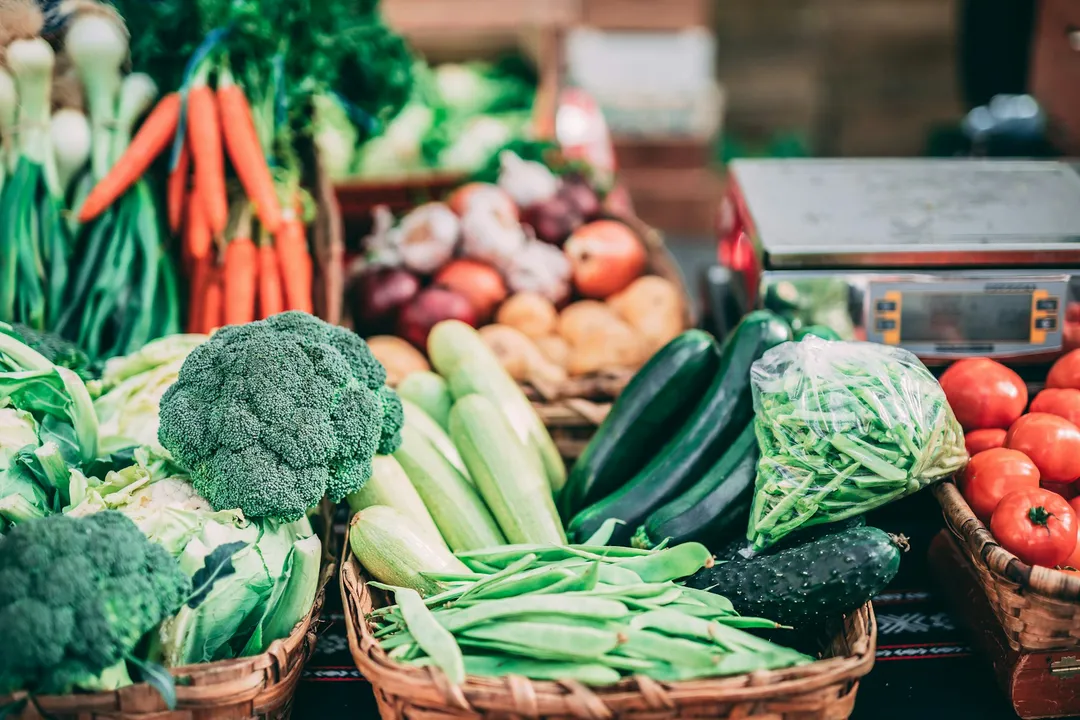
Okay, here's where we get practical. And I want to be clear: I'm not handing you a pharmaceutical protocol or a supplement stack as the answer. I'm talking about food. Actual food. The stuff your great-grandmother would recognize. Load Up on Fiber from Whole Plant Foods Not processed fiber added back into a bar or cereal. I mean fiber from vegetables, fruits, legumes (if you tolerate them), and tubers. Your gut bacteria ferment this fiber and produce short-chain fatty acids (SCFAs), particularly butyrate, which is the preferred fuel source for the cells lining your colon. Butyrate has been shown to support gut barrier integrity and reduce intestinal inflammation. Think roasted sweet potatoes, cooked and cooled resistant starch (yes, cooled rice and potatoes have more resistant starch than hot ones), asparagus, leeks, garlic, onions, and Jerusalem artichokes. These are prebiotic-rich foods that literally feed the good bacteria. Bring in Fermented Foods This is the one I get most excited talking about. Sauerkraut, kimchi, plain full-fat kefir, yogurt with live cultures, kombucha (low-sugar versions), and fermented pickles (the real ones, brined in salt, not vinegar). The Stanford study I mentioned earlier showed that people who ate more fermented foods had measurably higher microbial diversity and lower levels of 19 inflammatory proteins compared to the high-fiber group. Diversity in your microbiome is associated with resilience, better immune regulation, and better metabolic outcomes. Start small if you're new to fermented foods, especially if your gut is already irritated. A tablespoon of sauerkraut a day is a real starting point. Prioritize Bone Broth and Collagen-Rich Foods Slow-cooked bone broth contains gelatin and amino acids like glycine and proline that support the gut lining. This is one of those traditional foods that every culture on earth figured out before we had labs to explain why it worked. I make a big batch on Sundays and use it in everything. Sip it plain, cook your rice in it, use it as the base for soups and stews. It's one of the most gentle, nourishing things you can do for a gut that's been through it. Eat More Omega-3 Fatty Acids Fatty fish like wild-caught salmon, sardines, and mackerel, along with walnuts and flaxseeds, deliver anti-inflammatory omega-3s that support the gut lining and help calm systemic inflammation. The standard American diet is wildly skewed toward omega-6 fatty acids from vegetable and seed oils, and that imbalance drives inflammation. Getting more omega-3s in is one of the most consistently supported dietary moves in the research. Remove or Significantly Reduce the Gut Wreckers This means ultra-processed foods, refined sugar, industrial seed oils (canola, soybean, corn, cottonseed), and alcohol, at least during an active healing phase. I know that's not what everybody wants to hear. But if you're asking your gut to heal while you're still assaulting it daily, you're working against yourself. You don't have to be perfect. But you do need to be honest about what you're eating and what it's doing.
Lifestyle Pieces You Cannot Skip (Seriously)
Food is the foundation, but it doesn't work in a vacuum. I've seen people eat perfectly and still struggle because they're sleeping four hours a night or living in a constant state of fight-or-flight. Here's what I coach alongside the food. Sleep is gut medicine. Research shows that sleep deprivation alters gut microbiome composition and increases intestinal permeability. Your gut repairs itself during sleep. This isn't optional recovery. It's when the work actually gets done. Seven to nine hours for most adults is the target, and yes, that means making hard decisions about screens and schedules. Slow down and chew your food. Digestion starts in the mouth. Chewing thoroughly signals the rest of your digestive system to prepare, triggers enzyme release, and reduces the burden on your stomach and small intestine. Eating in a parasympathetic state, calm, seated, not scrolling, not driving, dramatically improves how you digest and absorb food. This is free. It costs you nothing but intention. Manage your stress load, and mean it. Prayer, walking in nature, deep breathing, putting the phone down an hour before bed. These are not soft suggestions. Your nervous system state directly affects your gut function through the gut-brain axis. It is common to do everything right with food and still spin your wheels because the chronic stress response underneath it all never got addressed. Move your body gently and consistently. Exercise has been shown to increase microbial diversity and short-chain fatty acid production. We're not talking about crushing two-a-days. Walks, gentle yoga, swimming, whatever gets you moving without spiking cortisol sky high. More is not always more.
What Your Symptoms Are Actually Trying to Tell You
In functional medicine, symptoms are data points. They're the body communicating that something is off upstream. Bloating after meals might indicate low stomach acid, enzyme insufficiency, bacterial overgrowth, or food sensitivities. Constipation could signal thyroid dysfunction, dehydration, inadequate fiber, or a dysbiotic microbiome. Skin issues like eczema or acne are frequently rooted in gut inflammation and microbiome imbalance. The gut-skin axis is real and well-documented. I'm not here to diagnose you. That's not my lane and it's not what coaching is for. But I will tell you this: if you have persistent, unexplained symptoms and your doctor has only run a standard blood panel and told you everything looks 'normal,' it may be worth seeking out a functional medicine practitioner who will run a full picture including stool analysis, organic acids, comprehensive hormone panels, and more targeted gut-specific labs. Normal on a conventional panel does not always mean optimal. It means you haven't crossed the threshold into diagnosable disease yet. There's a lot of ground between optimal and disease that conventional medicine often doesn't look at. You deserve answers. Not dismissal.
A Word on Supplements (From a Coach Who Has Tried Them All)
People always want to know about supplements, and I get it. I've been there. Probiotics, L-glutamine, digestive enzymes, zinc carnosine, collagen peptides, there are a lot of options out there with varying levels of research behind them. Here's my honest coaching take: supplements can be a useful supportive tool, but they cannot do what food does. A probiotic capsule does not replace the diversity and synergy you get from eating a wide variety of real, whole, fermented, and fiber-rich foods. And some supplements are genuinely not appropriate for certain conditions. Someone with SIBO (small intestinal bacterial overgrowth) might actually make things worse with certain probiotic strains. This is exactly why working with a knowledgeable practitioner matters before you start stacking capsules. Food first. Always food first. Then, if indicated and guided by a practitioner, targeted supplementation to support the work the food is already doing. And please, please stop buying whatever probiotic is on sale at the grocery store checkout and expecting miracles.
This Is a Long Game, and That's Okay
I want to set realistic expectations with you, because I think the wellness world does a lot of damage with its promises of dramatic transformation in 10 days or 30 days or some other arbitrary timeline. Gut healing is real. It is absolutely possible. But it takes time. The gut lining turns over relatively quickly, yes, but rebuilding a diverse, resilient microbiome and calming systemic inflammation that has been building for years is not a 10-day cleanse situation. It's a season. Maybe several seasons. This is where I lean on my faith. I believe the body was designed to heal. I believe we were given real food, grown from the ground, as part of how we were meant to be nourished. When I read about the complexity of the microbiome, the intricate way the gut communicates with the brain and immune system, the way butyrate feeds our intestinal cells, I see design. Intentional, beautiful, complex design. That perspective keeps me from getting cynical or overwhelmed. The body wants to heal. Our job is to stop getting in the way and start giving it what it needs. You can do this. Start with one meal. One habit. One week of choosing differently. That's where it starts. This article is for general informational purposes only and is not medical advice. Always consult a qualified healthcare professional before making changes to your diet or health routine.
Key Takeaways
- Your gut influences your immune system, mood, brain, skin, and energy, not just digestion. Symptoms showing up all over your body may trace back to an unhealthy gut.
- Ultra-processed foods, refined sugar, chronic stress, poor sleep, and overuse of NSAIDs are among the key drivers of gut damage. Identifying and reducing these is step one.
- Real-food gut healers include prebiotic-rich vegetables, fermented foods, bone broth, omega-3-rich fish, and resistant starch. Research supports all of these for improving microbiome diversity and reducing inflammation.
- Lifestyle factors like sleep, stress management, chewing thoroughly, and gentle movement are not optional add-ons. They are core to gut healing.
- Supplements may play a supportive role, but food comes first and supplements should be guided by a practitioner who knows your individual situation.
- Gut healing is a long game. Expect a season of consistent change, not a 10-day fix.
Frequently Asked Questions
How long does it take to heal your gut with real food?
There's no single answer that fits everyone, and I'll be straight with you: anyone promising you a fully healed gut in 10 days is selling you something. The intestinal lining does have a relatively rapid turnover rate, but rebuilding a diverse, resilient microbiome and calming long-standing inflammation can take months of consistent effort. Most people begin to notice meaningful improvements in energy, bloating, and digestion within four to eight weeks of consistent dietary and lifestyle changes, but deeper healing is often a longer process. Think of it as a season, not a sprint.
What are the best foods to eat to heal your gut?
The most research-supported real foods for gut healing include fermented foods (sauerkraut, kimchi, plain kefir, live-culture yogurt), prebiotic-rich vegetables (garlic, onions, leeks, asparagus, Jerusalem artichokes), resistant starch (cooked and cooled sweet potatoes or rice), bone broth, and omega-3-rich fatty fish like wild-caught salmon and sardines. Diversity in your plant food intake also matters enormously for microbial diversity. A wide variety of colorful, whole, minimally processed plants is one of the best things you can do.
Can stress really affect your gut health?
Yes, and this is one of the most underappreciated pieces of the gut healing puzzle. The gut and brain communicate constantly through a pathway called the gut-brain axis, involving the vagus nerve and a complex network of neurotransmitters and hormones. Chronic stress has been shown to alter gut motility, increase intestinal permeability (sometimes called 'leaky gut'), and disrupt the balance of the microbiome. Managing your stress response, through sleep, intentional rest, movement, and nervous system support, is not optional if you're serious about healing your gut.
Do I need to take probiotics to heal my gut?
Probiotics can be a useful supportive tool for some people, but they are not a replacement for a real-food diet rich in fermented and fiber-dense foods. A probiotic capsule delivers a limited number of strains in doses that may or may not survive stomach acid to reach the colon, while a diet rich in varied fermented foods and prebiotics feeds and builds your existing microbial community in a far more complex and beneficial way. Certain conditions (like SIBO) can actually be made worse by some probiotic strains, which is why working with a knowledgeable practitioner before supplementing matters. Food first.
Sources
 admin
admin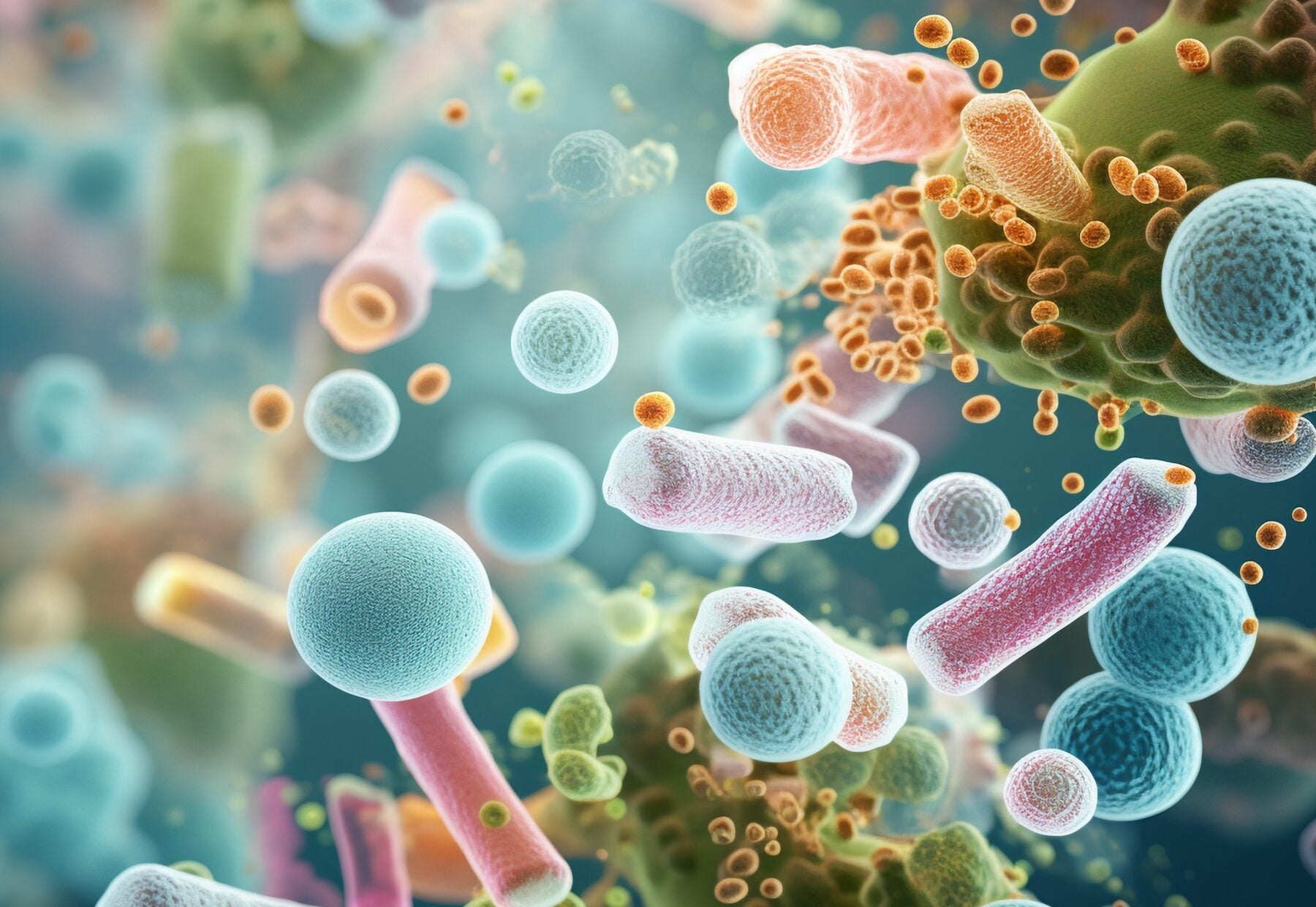
 Leo Galland
- Cell (Wastyk et al., 2021, Stanford): Gut-microbiota-targeted diets modulate human immune status
- Cells (MDPI, 2021): Butyrate and the Intestinal Epithelium: Modulation of Proliferation and Inflammation in Homeostasis and Disease
This article is for general informational purposes only and is not medical advice. Always consult a qualified healthcare professional before making changes to your diet or health routine.

Join the conversation
What do you think?
Free members can comment, reply and like. It takes ten seconds.