

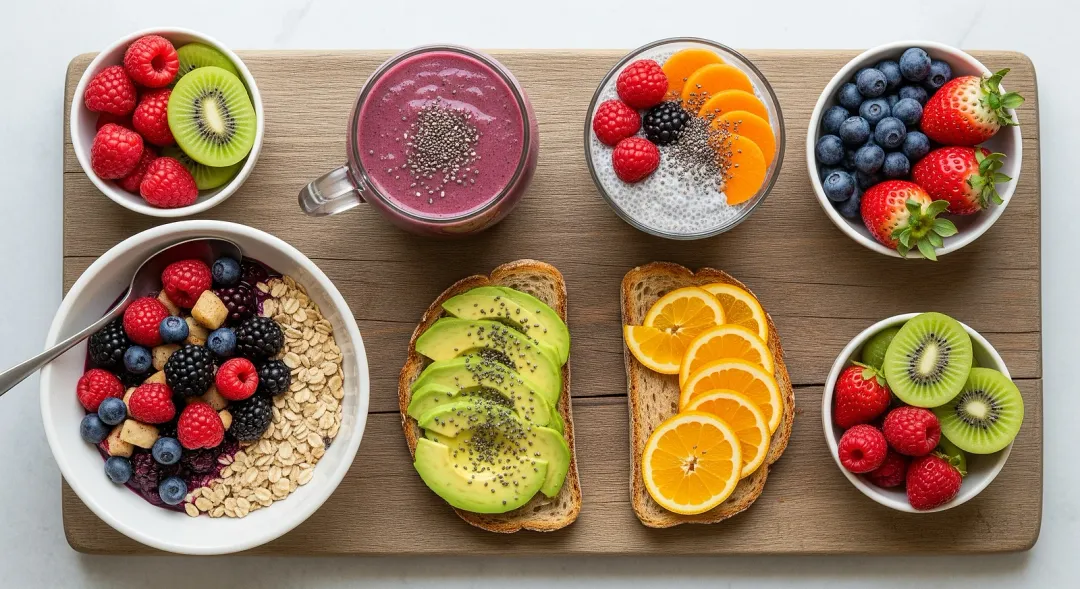

Living egg-free is far more freeing than it sounds. Whether you're managing an egg allergy, caring for a little one who reacts to eggs, or you simply feel better without them, you can eat wonderfully well and never feel like you're missing out. Once you know where eggs like to hide and keep a couple of easy swaps on hand, an egg-free kitchen becomes second nature.
This guide is here to make that easy and to leave you feeling capable, not cautious. We'll walk through confident label reading, baking that actually works, and how to comfortably cover the nutrients eggs provide, all in plain, friendly language.
What is an egg-free diet?
An egg-free diet simply means eating well while leaving hen's eggs, and anything made from them, off your plate. That covers the obvious favorites like scrambled eggs, omelets, and quiche, plus the many products that use egg as a binder, thickener, glaze, or foaming agent: mayonnaise, lots of baked goods, custards and puddings, some pasta, meringue, marshmallows, breaded foods, ice cream, and the egg wash brushed onto breads and pretzels.
Because egg proteins live in both the white and the yolk, and the two can't be reliably separated, an egg-free approach means skipping the whole egg. Most people go egg-free because their immune system reacts to egg protein, and it's a wonderfully common thing to navigate. According to the Cleveland Clinic, egg allergy is the second most common food allergy in children, affecting roughly 2% of them, and it usually appears in the first year or two of life. In other words, you're in very good company, and there's a well-worn, doable path to follow.
Why egg-free living works so well
Here's the encouraging part: going egg-free genuinely delivers what matters most. For anyone with an egg allergy, avoiding egg is the single most reliable way to stay comfortable and safe, and that peace of mind is real and immediate. There's no ambiguity and no guesswork about whether it helps, it simply does.
- Calm, confident days. Steering clear of egg keeps allergic reactions off the table, which is exactly the freedom you're after.
- Feeling your best. Plenty of people who don't have a diagnosed allergy simply feel better without eggs, and choosing what agrees with your body is always a win.
- A naturally whole-food kitchen. Because egg hides most in packaged, processed foods, going egg-free nudges you toward fresh, real ingredients you can feel great about.
And there's a hopeful long-game, too. The Cleveland Clinic notes that egg allergy is often outgrown: about half of children develop tolerance to egg by age 5, and up to 70% outgrow it by age 16. Many egg-allergic children can also enjoy egg that's been extensively heated, such as egg baked into a muffin, because high heat changes the shape of the proteins. That's a happy conversation to have with your allergist, who can guide it safely rather than testing at home.
What you get to eat
The best news: the vast majority of real, whole foods are naturally egg-free. Fresh vegetables and fruit, meat, poultry, fish and seafood, nuts and seeds, legumes, and whole grains are all fair game, which means most of your plate needs no second thought. When you cook from scratch, you're in full control of every ingredient, and that's where egg-free living really shines.
Building confidence mostly comes down to friendly label reading. In the United States, the Food Allergen Labeling and Consumer Protection Act (FALCPA) requires that egg be spelled out in plain language on packaged foods, either inside the ingredient list or in a separate "Contains: egg" statement, so the information you need is right there. Egg does sometimes travel under names that don't say "egg" at a glance, and knowing them turns label reading into a quick, empowering habit. Kids with Food Allergies, a division of the Asthma and Allergy Foundation of America, lists derivatives to recognize, including albumin, globulin, livetin, lysozyme, meringue, ovalbumin, ovomucin, and ovomucoid. A handy shortcut: ingredients starting with ovo- or ova- almost always mean egg.
A few friendly things to keep in your back pocket:
- A quick word when eating out goes a long way. Shared utensils, fryers, and grills can transfer egg, so a heads-up to your server keeps your meal worry-free, even when nothing on the plate obviously contains egg.
- Give the label a fresh look. Recipes get reformulated now and then, so a quick glance each time you buy keeps you a step ahead.
- Know the surprise spots. Egg can show up in some pastas, salad dressings, marshmallows, breaded and glazed foods, foam-topped specialty coffees, and even as a fining agent in certain wines, all easy to spot once you know to look.
Making the egg-free diet work for you
Getting comfortable is really about a few good habits, and they come together quickly. Start by leaning on foods that don't need a label at all, then build a small toolkit for the moments eggs usually show up.
Baking is where eggs are missed most, since they bind, leaven, and add moisture, but wonderful swaps make almost any recipe possible. Healthline's guide to egg substitutes offers reliable ratios per egg:
- Flax or chia "egg": 1 tablespoon ground flaxseed or chia plus 3 tablespoons water, rested until gel-like. Lovely in pancakes, muffins, breads, and cookies, and it fits a paleo pantry beautifully.
- Applesauce: about 1/4 cup unsweetened per egg, ideal in moist, dense bakes like quick breads.
- Mashed banana: about half a large banana per egg, adding moisture and a gentle banana note.
- Aquafaba: 3 tablespoons of the liquid from canned chickpeas per egg, the star for egg-white jobs like meringues and marshmallows.
- Commercial egg replacer: starch-and-leavening powders (such as Bob's Red Mill or Ener-G) mixed with warm water per the package.
No single swap is a perfect match for every recipe, but between them you really can bake almost anything. Keep a couple on hand and egg-free baking stops feeling like a workaround and starts feeling like your normal.
If you're newly navigating an egg allergy, a board-certified allergist is a fantastic partner. They can confirm things with a skin prick test, a blood test for egg-specific IgE, or a supervised oral food challenge when helpful, and they can tell you whether baked egg is already tolerated, which often opens up even more foods. Checking in over time also lets you celebrate progress as tolerance develops.
One common worry worth putting to rest: the flu shot. Egg-based flu vaccines contain only trace egg protein, and leading guidance has moved well past the old cautions. The American College of Allergy, Asthma and Immunology states that people with egg allergy need no special precautions for the flu vaccine beyond those for any vaccine recipient, with no need to seek an allergist, use an egg-free formulation, or extend observation. Egg-free options exist too. Confirm your own plan with your provider, but an egg allergy is generally no reason to skip a flu shot.
Covering the nutrients eggs provide
Eggs are nutritious, so it's worth knowing what you're swapping in, and the good news is these nutrients are easy to source elsewhere. Eggs offer high-quality protein plus two standouts, choline and vitamin D. A 2025 modeling study in the journal Nutrients found that most adolescents come up short on both, with roughly 90% below the estimated average requirement for vitamin D and only about 15% meeting the adequate intake for choline, and that adding an egg meaningfully improved both. Going egg-free just means covering those the smart way:
- Protein: beautifully replaced with meat, poultry, fish, legumes, or, if tolerated, dairy.
- Choline: found in beef, poultry, fish, and, in smaller amounts, legumes and cruciferous vegetables.
- Vitamin D: from fatty fish, sunshine, and fortified foods, with a supplement to fill any gap.
How the egg-free diet fits a real-food approach
Egg-free living pairs naturally with a whole-food, real-food kitchen. The products most likely to hide egg tend to be the highly processed, heavily packaged ones, so leaning on foods that don't need a label, like vegetables, fruit, meat, fish, nuts, seeds, and legumes, quietly clears away most of the guesswork. Cooking from scratch puts you in charge of every ingredient, and that's exactly the kind of confident, nourishing kitchen this brand is all about.
If you eat mostly whole foods and keep a couple of egg swaps within reach, an egg-free kitchen feels less like a limitation and more like a slightly different, wonderfully doable set of habits.
Key takeaways
- You can thrive without eggs. For an egg allergy, simply avoiding egg is the reliable, reassuring path.
- Egg allergy is common in young children and often outgrown, and many kids tolerate baked egg. An allergist can guide that happily and safely.
- Confident label reading is your superpower. Learn the terms (albumin, ovo-/ova- words, lysozyme, meringue) and a quick glance becomes second nature.
- Flax or chia eggs, applesauce, mashed banana, aquafaba, and commercial replacers cover almost all your baking.
- Cover the nutrients eggs provide, especially protein, choline, and vitamin D, with everyday real foods.
- An egg allergy is generally no reason to skip the flu shot. Just confirm your plan with your provider.
This guide is for general education and is not medical advice. If you're managing an egg allergy or have questions about your own needs, talk with your doctor or a registered dietitian who can help you build a plan that's right for you.
Frequently Asked Questions
Will my child outgrow their egg allergy?
Often, yes, and that's wonderful news. The Cleveland Clinic notes that about half of children develop egg tolerance by age 5 and up to 70% outgrow the allergy by age 16. An allergist can track this over time and let you know whether baked egg might already be tolerated.
How do I spot egg on an ingredient label?
It gets easy fast. Beyond the word "egg," watch for albumin, globulin, livetin, lysozyme, meringue, ovalbumin, ovomucin, and ovomucoid. A handy shortcut: ingredients that start with ovo- or ova- almost always mean egg.
What's the best egg substitute for baking?
It depends on the recipe, and you have great options. A flax or chia "egg" (1 tablespoon ground seed plus 3 tablespoons water) shines in muffins, cookies, and breads; applesauce or mashed banana suit moist, dense bakes; and aquafaba (chickpea liquid) is the star for egg-white jobs like meringues.
Can I get a flu shot if I'm allergic to eggs?
Generally yes. The American College of Allergy, Asthma and Immunology says people with egg allergy need no special precautions for the flu vaccine beyond those for any vaccine, and egg-free formulations also exist. Just confirm your plan with your provider.
Will I get enough nutrients without eggs?
Absolutely, with a little planning. Eggs are a nice source of protein, choline, and vitamin D. Protein is easy to cover with meat, fish, or legumes; for choline and vitamin D, lean on foods like fish, poultry, and fortified products, and ask your provider whether a vitamin D supplement makes sense.
Sources
- Cleveland Clinic: Egg Allergy: Causes, Symptoms & Treatment
- FoodAllergy.org (FARE): Egg Allergy
- Kids with Food Allergies (AAFA): Egg Allergy
- American College of Allergy, Asthma and Immunology (ACAAI): No special precautions needed for flu shots for people allergic to eggs
- Nutrients (via NCBI PMC): Modeling the Substitution of One Egg Increased the Nutrient Quality of Choline and Vitamin D in Exemplary Menus
- Healthline: 13 Effective Substitutes for Eggs
This guide is for general education and is not medical advice. Everyone is different, so talk with your doctor or a registered dietitian before making a major change to how you eat, especially if you are pregnant, managing a health condition, or have a history of disordered eating.








Join the conversation
What do you think?
Free members can comment, reply and like. It takes ten seconds.