

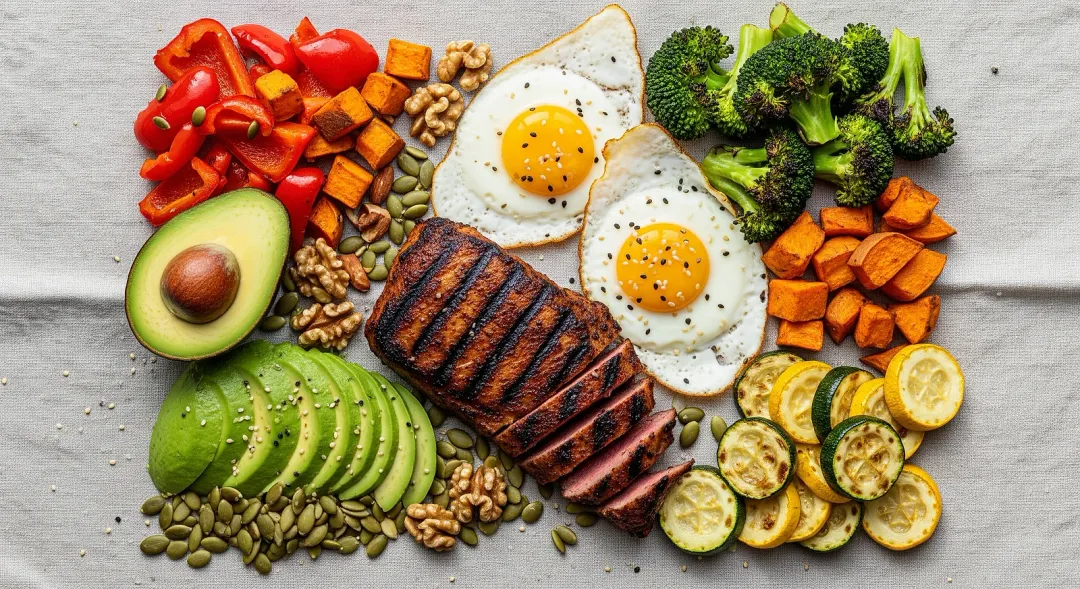

Going grain-free is one of the most freeing shifts a real-food eater can make. It means exactly what it sounds like: no wheat, no oats, no rice, no corn, no barley, and no ultra-processed foods built on top of them. For a lot of people, that one change quietly clears out most of the packaged, refined stuff in the pantry, and what's left is real food, meat, fish, eggs, vegetables, fruit, nuts, seeds, and good fats.
If you're curious about it, the fun questions aren't "is this allowed?" but "how good could I feel, what do I get to eat, and how do I make this genuinely mine?" Let's walk through it, honestly and warmly.
What is the grain-free diet?
A grain-free diet sets aside all cereal grains and the foods made from them. That includes the gluten-containing grains, wheat, barley, rye, and triticale, and it goes a step further than a gluten-free diet does. Naturally gluten-free grains like rice, corn, millet, sorghum, teff, and oats come off the plate too.
That's the distinction people miss. A gluten-free diet still leans on rice, corn, and quinoa; grain-free keeps things simpler and more whole. Pseudograins such as quinoa, buckwheat, and amaranth are botanically seeds rather than true grains, so plenty of grain-free eaters welcome them while stricter followers skip them, your call. What stays front and center is real, unprocessed food, which is exactly why grain-free eating overlaps so naturally with paleo.
Why people feel so good grain-free
There's no single dramatic metabolic switch here the way ketosis drives keto. Grain-free works in a much more down-to-earth way: by clearing space. When grains go, most of the refined, ultra-processed carbohydrates, breads, crackers, cereals, pastries, tend to go with them, and vegetables, protein, and healthy fats move in to take their place. That swap alone is why so many people describe feeling lighter, less bloated, and more evenly energized within a couple of weeks.
Cleveland Clinic notes that paleo-style eating, which is grain-free by design, may support weight loss and modestly improve blood pressure and cholesterol, with better glucose tolerance and insulin sensitivity for some people. Those are the widely reported wins, and they come mostly from the shift toward whole foods, not from anything mystical about the absence of grains.
For a meaningful group of people, the payoff is even more direct. If certain grains have been quietly triggering an immune or digestive reaction, setting them aside can be genuinely transformative, and that's worth taking seriously.
Who thrives on it
Grain-free can be a wonderful fit if any of this sounds like you:
- You live with celiac disease, where gluten damages the small intestine. Harvard Health points out it's often diagnosed later in life, with an average diagnosis age between 46 and 56, and is more common alongside other autoimmune conditions, so plenty of people arrive here after finally getting answers.
- You have non-celiac gluten sensitivity, which Harvard Health estimates touches roughly 1% to 3% of people and can bring gas, bloating, cramps, diarrhea, fatigue, even balance issues, without the intestinal damage. Removing the trigger grains often brings real relief.
- You suspect grains are aggravating a gut or autoimmune issue and want to run a thoughtful, temporary elimination trial to see how you feel.
- You already love paleo and simply want a clean, clear framework to lean on.
Cleveland Clinic describes these grain-sensitive groups as exactly the people for whom setting aside grains genuinely relieves symptoms, so if that's you, you're not chasing a trend, you're taking care of yourself.
What you get to eat
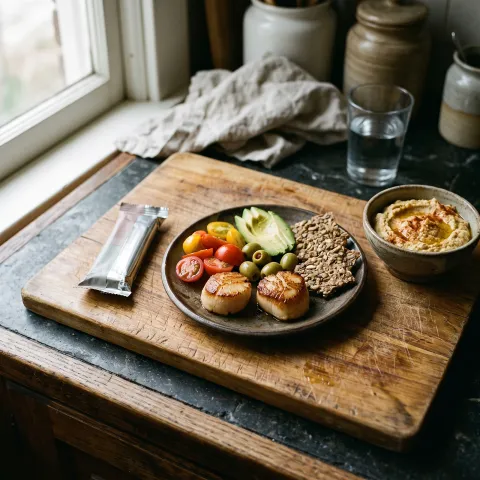
This is the part that surprises people: grain-free plates are abundant, not sparse. You build meals from:
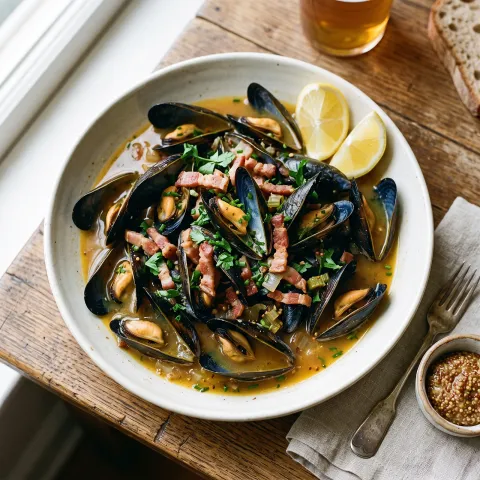
- Quality protein, beef, chicken, pork, lamb, fish, shellfish, and eggs.
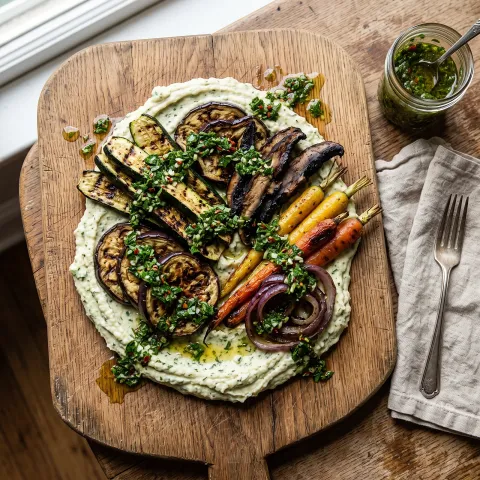
- Vegetables of every color, leafy greens, cruciferous veg, peppers, squash, root vegetables, all fair game.
- Fruit, berries, apples, citrus, and whatever's in season.
- Nuts and seeds, almonds, walnuts, pumpkin seeds, chia, and flax.
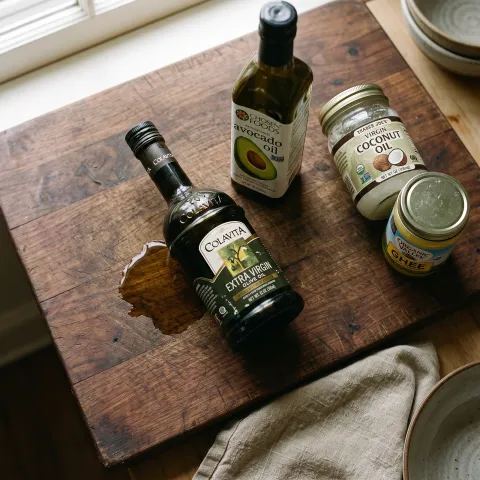
- Healthy fats, olive oil, avocado, coconut, and good butter or ghee if dairy agrees with you.
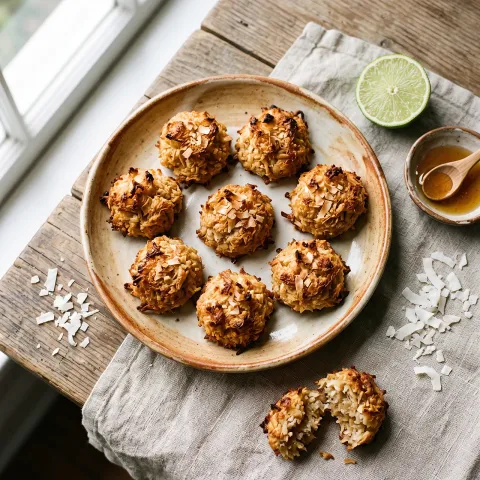
Grains are easy to replace once you know the swaps: cauliflower rice, spiralized zucchini, spaghetti squash, lettuce wraps, and almond or coconut flour for the occasional baked treat. Far from feeling deprived, most people find their plates get more colorful and more interesting.
Making the grain-free diet work for you
The goal is to feel amazing and stay well-nourished, and a little intention makes that easy.
Ease in at your own pace. Some people go all-in overnight; others phase grains out over a couple of weeks. Both work, choose whichever feels sustainable.
Prioritize fiber on purpose. Whole grains are one source of fiber, so when you set them aside, put fiber front and center from other real foods, vegetables, fruit, nuts, seeds, and legumes if you include them. The American Heart Association notes fiber helps keep you full and regular and supports heart and metabolic health, so it's worth building every plate around. Do this and most people never miss the grains at all.
Keep an eye on the nutrients grains used to bring. The American Heart Association points out that whole grains supply B vitamins, thiamin, riboflavin, niacin, and folate, along with iron, magnesium, and selenium. The good news is that a varied grain-free plate, plenty of meat, eggs, leafy greens, nuts, and seeds, covers those beautifully. If you want reassurance, ask your provider about checking your levels.
Don't just swap grain junk for grain-free junk. Cookies and breads made from mountains of almond flour and starch are still treats. Lean on whole ingredients most of the time and enjoy the grain-free goodies as the occasional bonus they are.
Loop in a provider who reads the whole picture. A registered dietitian can help you tell a true grain issue apart from a gluten or FODMAP one, so you keep everything you don't need to remove and feel confident in your plan.
What about "you need your whole grains"?
You'll hear that going grain-free is risky because whole grains are protective. It's worth being honest: whole grains are genuinely nourishing, and if you feel great with brown rice or steel-cut oats, that's a perfectly healthy way to eat. Harvard's Nutrition Source highlights their fiber-rich bran and nutrient-dense germ, and links regular whole-grain intake to favorable long-term health outcomes.
But "grains are essential and cutting them is dangerous" is more institutional habit than settled fact. There is no nutrient in grains you can't get from vegetables, fruit, meat, eggs, nuts, and seeds, and a growing number of real-food researchers argue that the whole-foods pattern matters far more than whether grains are on the plate. The grounded move isn't to fear grain-free or to fear grains, it's to eat real food, track how you actually feel, and check your own labs with a provider you trust. Your body's signals beat any blanket rule.
How the grain-free diet fits a real-food approach
Here at That Paleo Chick, grain-free eating feels like home, because paleo is grain-free by definition. The version worth doing is the real-food version: plates built from vegetables, quality protein, eggs, fruit, nuts, seeds, and good fats. Not a pantry of grain-free packaged snacks, real ingredients you'd recognize as food.
We also believe in your autonomy. Grain-free isn't a moral high ground and it isn't the only right way to eat, it's one excellent tool. It shines when it's medically helpful and when it simply crowds processed food out of your life with whole ingredients. Do it deliberately, cover your fiber, enjoy the variety, and let real food do the heavy lifting.
Key takeaways
- Grain-free is simpler and more whole than gluten-free, it sets aside even rice, corn, and oats, and it overlaps naturally with paleo.
- Many people feel lighter and more energized largely because grain-free eating crowds out refined, ultra-processed foods.
- It's especially freeing for people with celiac disease, non-celiac gluten sensitivity, or a wheat sensitivity, real relief, not a trend.
- You get to eat abundantly, protein, colorful vegetables, fruit, nuts, seeds, and good fats, with easy swaps like cauliflower rice and zucchini noodles.
- Make it work for you: prioritize fiber, cover the nutrients grains used to bring, skip the grain-free junk food, and partner with a provider who reads the full picture.
- Whole grains are fine for those who love them, this is about choosing what makes you feel your best.
This guide is for general education and is not medical advice. Your needs are your own, so before making a big change to how you eat, talk with your doctor or a registered dietitian who can help you tailor it to your body and goals.
Frequently Asked Questions
How do I start a grain-free diet?
Begin by clearing out the obvious grain-based and packaged foods, then build your plate around protein, vegetables, fruit, nuts, seeds, and healthy fats. Lean on easy swaps like cauliflower rice, zucchini noodles, and spaghetti squash. You can go all-in overnight or phase grains out over a couple of weeks, whichever feels sustainable for you.
Is a grain-free diet the same as gluten-free?
Not quite. A gluten-free diet only removes gluten-containing grains like wheat, barley, and rye while still allowing rice, corn, quinoa, and oats. Grain-free is simpler and more whole, it sets aside all grains, including the gluten-free ones, which is why it overlaps so naturally with paleo.
What can I eat on a grain-free diet?
Plenty! Quality protein like beef, chicken, fish, and eggs; vegetables of every color; fruit; nuts and seeds; and healthy fats like olive oil, avocado, and coconut. Grains are easy to replace with cauliflower rice, spiralized zucchini, lettuce wraps, and almond or coconut flour for the occasional treat.
Will I get enough fiber and nutrients without grains?
Yes, with a little intention. Whole grains offer fiber plus B vitamins, iron, magnesium, and selenium, and a varied grain-free plate covers those beautifully through vegetables, fruit, nuts, seeds, leafy greens, meat, and eggs. Make fiber a priority on every plate and most people never miss the grains at all.
Can I eat quinoa, buckwheat, or amaranth on a grain-free diet?
That's up to you. Quinoa, buckwheat, and amaranth are technically seeds (pseudograins), not true cereal grains, so many grain-free eaters welcome them while stricter followers leave them out. Try them, see how you feel, and decide what fits your body best.
Is grain-free right for me?
It's a great fit if you love real-food, paleo-style eating or if grains have been aggravating a gut or autoimmune issue. The best way to know is to try it thoughtfully and notice how you feel. A registered dietitian can help you tailor it and make sure you're only setting aside what you actually want to.
Sources
- Harvard T.H. Chan School of Public Health: Whole Grains | The Nutrition Source
- Harvard Health Publishing: Don't give up on grains
- Harvard Health Publishing: Non-celiac gluten sensitivity
- Harvard Health Publishing: Celiac disease: Exploring four myths
- Cleveland Clinic: Foods To Eat and Avoid on a Gluten-Free Diet
- Cleveland Clinic: Paleo Diet 101: What You Can and Can't Eat
- American Heart Association: Get to Know Grains: Why You Need Them, and What to Look For
This guide is for general education and is not medical advice. Everyone is different, so talk with your doctor or a registered dietitian before making a major change to how you eat, especially if you are pregnant, managing a health condition, or have a history of disordered eating.

Join the conversation
What do you think?
Free members can comment, reply and like. It takes ten seconds.