

On this page
If you're going gluten-free, here's the first thing worth saying: you're going to be just fine. Better than fine, in fact. Whether you're navigating celiac disease, a wheat allergy, or a gluten sensitivity that's made you feel off for years, dropping gluten opens the door to a way of eating that's built on real, whole, deeply satisfying food. This isn't a diet of deprivation and sad substitutes. It's an invitation to cook the way humans ate for most of our history: around meat, vegetables, fruit, eggs, and honest ingredients that never needed gluten in the first place.
The gluten-free aisle can make this look complicated and expensive. It doesn't have to be. Once you know where gluten shows up and how to build your plate, gluten-free becomes second nature, and your food gets more vibrant, not less.
What is the gluten-free diet?
Gluten is a protein found in three grains: wheat, barley, and rye (plus close relatives like triticale, and most conventional oats through cross-contact). Eating gluten-free simply means building your meals from everything else, which turns out to be an enormous, delicious world of food.
Here's the part nobody tells you loudly enough: a huge amount of real food is naturally gluten-free. Meat, poultry, fish, and eggs. Every vegetable and every fruit. Nuts and seeds. Beans and legumes. Dairy. And plenty of grains and starches, like rice, quinoa, buckwheat, millet, corn, and potatoes. What you're setting aside is conventional bread, pasta, cereal, crackers, most baked goods, beer, and the processed foods that quietly use wheat as a thickener or filler. Trade those for whole foods and you've done most of the work already.
Why people feel so good gluten-free
For anyone whose body reacts to gluten, removing it can be genuinely life-changing. In celiac disease, gluten triggers an autoimmune response that, as the National Institute of Diabetes and Digestive and Kidney Diseases (NIDDK) describes, damages the small intestine over time. Take gluten away and that trigger is gone: inflammation calms, the gut begins to heal, and the nutrients you eat can finally be absorbed the way they're meant to be. People often describe steadier energy, calmer digestion, and a lifting of symptoms they'd long assumed were just "normal."
What makes this diet so effective is also what makes it so refreshingly simple: it works by removing a trigger, not by counting calories or chasing macros. You're not restricting for restriction's sake. You're clearing out the one thing your body doesn't tolerate and letting real food do the rest.
Understanding celiac, sensitivity, and wheat allergy, so you can eat with confidence
You'll hear three terms used almost interchangeably, and knowing which one applies to you is empowering, because it tells you exactly how careful you need to be.
- Celiac disease is an autoimmune condition where eating gluten damages the small intestine. It runs in families and can travel alongside conditions like type 1 diabetes and thyroid issues. The wonderful news is that it has a complete, non-pharmaceutical answer: a strict, lifelong gluten-free diet that lets the gut heal and keeps you well.
- Non-celiac gluten sensitivity (NCGS) is a real reaction to gluten in people who test negative for celiac disease. As the Cleveland Clinic notes, the reaction may even be tied to other components of wheat rather than gluten itself. Many people with sensitivity find they feel dramatically better simply by pulling gluten back, and some tolerate it in smaller amounts over time.
- Wheat allergy is a classic immune (IgE) allergy to wheat proteins, more common in children (who often outgrow it). It calls for avoiding wheat specifically. If you or your child has a diagnosed wheat allergy, keep any prescribed epinephrine on hand and become a confident label-reader. That's simply good, caring management.
One genuinely useful tip: if you suspect celiac disease, get tested before you cut gluten. Celiac blood tests and biopsies rely on gluten being in your diet, so a diagnosis is most accurate while you're still eating it. Knowing exactly what you're working with makes everything downstream easier.
What you get to eat
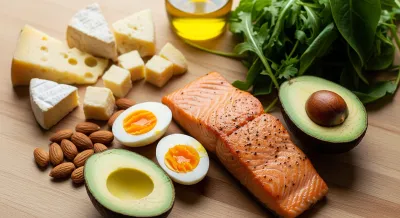
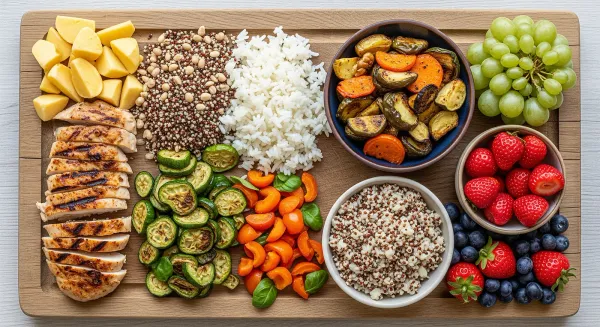
This is the fun part, because the list is long. Center your plate on foods that were never made with gluten:
- Proteins: beef, pork, chicken, turkey, fish, shellfish, and eggs.
- Produce: every vegetable and every fruit, fresh, roasted, or blended into something great.
- Healthy fats: olive oil, avocado, coconut, butter and ghee, nuts and seeds.
- Naturally gluten-free grains and starches: rice, quinoa, buckwheat, millet, corn, and potatoes, if you want more variety and fiber.
- Dairy and legumes: milk, cheese, yogurt, beans, and lentils, as your body tolerates them.
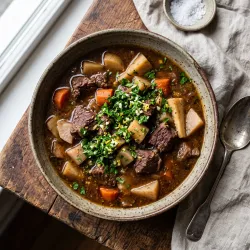
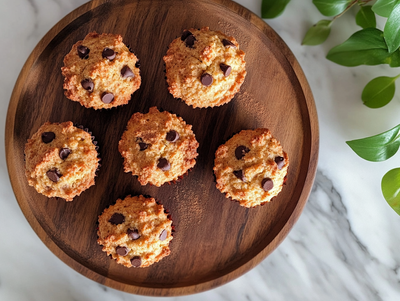
With those staples you can make almost anything: hearty breakfasts, big salads, sheet-pan dinners, soups, stir-fries, and plenty of naturally gluten-free baking with almond or coconut flour. You're not eating around a hole in your plate; you're building a plate that happens to be gluten-free from the ground up.
Making the gluten-free diet work for you
A few practical habits make gluten-free feel effortless. Think of these as insider know-how, not warnings.
- Learn where gluten likes to hide. NIDDK points out that gluten can turn up in unexpected places: modified food starch, malt flavoring, some sauces and soups, and even a few medicines, supplements, or personal-care items. A quick label scan becomes a fast, automatic habit, and dedicated gluten-free brands make it easier every year.
- Handle cross-contact simply. "Gluten-free" labeling means under 20 parts per million, which is the safe target for celiac disease. Research in the journal Nutrients looked at everyday kitchen practices and found shared pasta water was the main thing to watch (a good rinse dropped gluten below the safe threshold), while shared toasters and utensils generally stayed under 20 ppm. In practice: a dedicated cutting board, a clean toaster or toaster bags, and fresh cooking water cover most of it.
- Lean into whole foods over packaged swaps. That same Nutrients research notes that processed gluten-free breads and snacks can run higher in fat, sugar, and salt and lower in fiber than their wheat versions. They're fine as occasional treats, just let real food carry the day.
- Cover your nutrients with variety. Because many packaged gluten-free products aren't fortified the way conventional breads are, it's worth being intentional about fiber, iron, folate, and B vitamins. The easy fix is colorful produce, quality proteins, nuts and seeds, and naturally gluten-free whole grains. A registered dietitian can help you fine-tune if you'd like a second set of eyes.
How the gluten-free diet fits a real-food approach
This is where gluten-free and a real-food, paleo-leaning kitchen fit together like they were made for each other. The one trap of the gluten-free aisle is swapping a box of wheat crackers for a pricier box of gluten-free ones. Skip that loop entirely and build meals around foods that were never processed with gluten to begin with: vegetables and fruit, good meat and seafood, eggs, nuts, and seeds.
If you already eat paleo, you're essentially gluten-free by default, since paleo skips grains altogether. If you're gluten-free for medical reasons and want more range than strict paleo allows, naturally gluten-free grains and pseudo-grains like rice, quinoa, and buckwheat round things out beautifully. Either way the principle is the same: let real, minimally processed food do the work, and the nutrient gaps close on their own. That's not a compromise. It's arguably the most delicious version of gluten-free there is.
Key takeaways
- You can thrive gluten-free, and it opens the door to a kitchen full of naturally gluten-free real food.
- Gluten lives in wheat, barley, and rye; nearly everything else is fair game, including meat, produce, eggs, dairy, and many whole grains.
- Knowing whether you're dealing with celiac disease, sensitivity, or a wheat allergy tells you how strict to be. And if you suspect celiac, get tested before cutting gluten.
- A little know-how around hidden gluten and cross-contact makes the diet feel automatic.
- Build meals around whole foods, treat packaged gluten-free products as extras, and lean on variety to cover your nutrients.
This guide is for general education and is not medical advice. Everybody's needs are different, so talk with your doctor or a registered dietitian about what's right for you, especially if you're managing celiac disease, a wheat allergy, or any other condition.
Frequently Asked Questions
How do I start eating gluten-free?
Start with your plate, not the specialty aisle. Build meals around foods that are naturally gluten-free (meat, fish, eggs, vegetables, fruit, nuts, and seeds) and add naturally gluten-free grains like rice or quinoa if you want them. From there, learn to scan labels for hidden wheat, barley, and rye, and you'll have the basics down quickly.
What can I eat on a gluten-free diet?
A lot more than people expect. All meat, poultry, fish, and eggs; every vegetable and fruit; nuts, seeds, and healthy fats; dairy and legumes as you tolerate them; and naturally gluten-free grains like rice, quinoa, buckwheat, and millet. You can make hearty breakfasts, big salads, sheet-pan dinners, soups, and plenty of gluten-free baking with almond or coconut flour.
Should I get tested for celiac disease before cutting gluten?
If you suspect celiac disease, yes. Celiac blood tests and intestinal biopsies rely on gluten being in your diet, so testing is most accurate while you're still eating it. Knowing exactly what you're dealing with makes it much easier to eat with confidence afterward, so talk with your doctor about testing.
Where does gluten tend to hide?
According to NIDDK, gluten can show up in modified food starch, malt flavoring, many sauces and soups, and even some medicines, supplements, and personal-care products. A quick label check becomes a fast habit, and choosing dedicated gluten-free brands makes shopping simpler.
How do I handle cross-contact in a shared kitchen?
It's very manageable. "Gluten-free" labeling means under 20 parts per million, the safe target for celiac disease. Research in Nutrients found shared pasta water was the main thing to watch (a rinse dropped gluten below the threshold), while shared toasters and utensils generally stayed safe. A dedicated cutting board, clean toaster, and fresh cooking water cover most situations.
Is paleo the same as gluten-free?
Paleo is naturally gluten-free because it skips all grains, so if you eat paleo you're already avoiding gluten by default. They're not identical, though. Gluten-free still allows naturally gluten-free grains like rice and quinoa, while paleo does not. Many people find paleo an easy on-ramp to gluten-free eating.
Sources
- Cleveland Clinic: Gluten Issues: Is It Celiac Disease, an Intolerance or a Wheat Allergy?
- NIDDK (National Institute of Diabetes and Digestive and Kidney Diseases): Definition & Facts for Celiac Disease
- NIDDK (National Institute of Diabetes and Digestive and Kidney Diseases): Treatment for Celiac Disease
- Harvard Health Publishing: Considering a gluten-free diet
- Nutrients (Saturni, Ferretti & Bacchetti): The Gluten-Free Diet: Safety and Nutritional Quality
- Nutrients (Damasceno et al.): Risk of Gluten Cross-Contamination Due to Food Handling Practices: A Mini-Review
- Clinical and Experimental Gastroenterology (Leonard & Vasagar): US perspective on gluten-related diseases
This guide is for general education and is not medical advice. Everyone is different, so talk with your doctor or a registered dietitian before making a major change to how you eat, especially if you are pregnant, managing a health condition, or have a history of disordered eating.