

On this page
Keto has a reputation for being complicated, but the idea at its heart is beautifully simple: eat very few carbohydrates, plenty of good fat, and a sensible amount of protein, and your body flips from running on sugar to running on fat. For a lot of people, that switch changes everything: steadier energy, a quieter appetite, and a clearer head. Keto isn't a fad tweak; it's a real metabolic way of eating with a genuine medical pedigree and a devoted following, and it's worth understanding on its own terms rather than through the usual hand-wringing.
Here's a warm, real-food look at what keto actually is, why so many people feel so good on it, what you get to eat, and how to make it work for you.
What is the ketogenic diet?
The ketogenic diet is a very-low-carbohydrate, high-fat way of eating. Most everyday versions land somewhere around 70-80% of calories from fat, 10-20% from protein, and just 5-10% from carbohydrate. On a 2,000-calorie day that works out to roughly 165 grams of fat, 75 grams of protein, and only about 40 grams of carbs. In practice, carbohydrates usually drop to fewer than 20-50 grams a day, low enough to change how your body makes energy.
The classic medical version, used for epilepsy, is stricter still, with a 4:1 ratio of fat to protein-plus-carbs and around 90% of calories from fat. Most people eating keto at home aren't that exacting; they simply keep carbs low, fat generous, and protein steady, and let their body do the rest.
Why people feel so good on keto
Normally your body runs on glucose from carbohydrates. When you keep carbs low enough, your glucose stores draw down and insulin settles. After three to four days, your liver begins converting fat into molecules called ketone bodies, which your muscles and brain burn happily in glucose's place. This fat-fueled state is called ketosis, and it's the whole point. It's also the reason so much of what people love about keto tends to show up.
What does that feel like day to day? A few things come up again and again:
- Steady energy. Running on fat and ketones instead of chasing the next carb hit means fewer of the mid-morning crashes and 3 p.m. slumps that come with blood-sugar roller coasters.
- A calmer appetite. Fat and protein are deeply satisfying, and many people find that hunger simply quiets down, so snacking becomes a choice rather than a compulsion.
- Mental clarity. Plenty of people describe sharper focus once they're fat-adapted, which makes sense given the brain runs beautifully on ketones.
- A simpler relationship with food. When sugar and ultra-processed carbs are off the plate, cravings tend to fade and meals get simpler.
Beyond how it feels, keto has real therapeutic history. It was developed at the Mayo Clinic in the 1920s to treat seizures, and a medically supervised ketogenic diet remains a genuine, guideline-supported therapy for children and adults with drug-resistant epilepsy. It's one of the oldest and best-established uses of food as medicine we have.
On the metabolic side, the picture is encouraging too. Randomized trials and reviews show that keto can lower body mass index, hemoglobin A1c, and triglycerides, and some people with type 2 diabetes are able to reduce their medication under a doctor's care. For blood-sugar control and weight, keto gives a lot of people a structured, satisfying framework that finally clicks, and that's no small thing.
What you get to eat
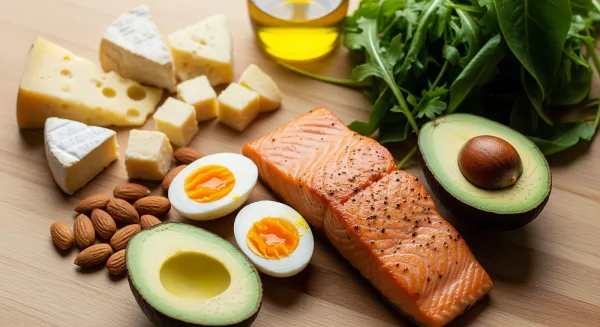
Keto is far more generous than its reputation suggests. You build meals around rich, whole foods:
- Proteins: beef, pork, poultry, lamb, and eggs.
- Seafood: salmon, sardines, mackerel, shrimp, and fatty fish especially.
- Healthy fats: olive oil, coconut oil, avocado and avocado oil, butter, and ghee.
- Non-starchy vegetables: leafy greens, broccoli, cauliflower, zucchini, asparagus, peppers, and more. The more color, the better.
- Nuts and seeds: almonds, walnuts, macadamias, chia, and flax.
- Full-fat dairy: cheese, cream, and butter, if dairy agrees with you.
You set aside sugar, grains, most fruit, beans, and starchy vegetables like potatoes, anything that pushes carbs past your limit. What's left is a plate full of flavor: a ribeye with roasted broccoli in butter, salmon over a big leafy salad, eggs fried in ghee with avocado. It's rich, satisfying food, not deprivation.
Making keto work for you
Keto rewards a thoughtful start. A little planning turns the first couple of weeks from a slog into a smooth transition, and sets you up to feel your best.
Ease in and mind your electrolytes. The one bump most people hear about is the "keto flu": a few days of headache, fatigue, or brain fog as your body shifts from sugar to fat. It's short-lived, usually clearing within one to two weeks, and it's largely about dehydration and lost minerals rather than anything going wrong. Drink plenty of water, salt your food generously, and lean on electrolyte-rich foods like leafy greens, avocado, nuts, bone broth, and salmon. Most people who set themselves up this way barely notice the adjustment.
Prioritize whole foods and fiber. Build your carbs from non-starchy vegetables so you're getting fiber, vitamins, and minerals alongside your fat and protein. Variety is your friend. The more different vegetables and quality proteins on your plate through the week, the more naturally your nutrition takes care of itself.
Track your own labs with a provider who reads the whole picture. Here's where the conventional conversation gets interesting. Because keto is high in fat, you'll often hear a warning that it raises LDL cholesterol. It's true that LDL can move on keto, but what that means for any given person is one of the genuinely debated questions in nutrition science right now, not the settled verdict it's sometimes presented as. Keto also tends to lower triglycerides and improve other markers, and a growing number of researchers argue that a single number tells you far less than the full metabolic panel does. The grounded move isn't to worry or to dismiss. It's to get your baseline labs, recheck them a few months in, and work with a doctor or dietitian who'll look at the whole picture with you rather than reacting to one line on a printout.
Make it yours. Some people thrive on strict keto; others do beautifully with a slightly more relaxed low-carb approach, or cycle in and out of ketosis. If you're managing a specific health goal like epilepsy or type 2 diabetes, keto shines most as a supervised therapy, and the professional support is a feature, not a hoop. Let how you feel, and what your labs say, guide the version that fits your life.
How keto fits a real-food approach
Here at That Paleo Chick, we lean real-food and paleo-ish, and keto is a close cousin. The overlap is real and it's the best part: both cut refined sugar, sweetened drinks, and ultra-processed carbs, and both put whole foods (quality meat and fish, eggs, avocado, nuts, seeds, olive oil, and piles of non-starchy vegetables) at the center of the plate.
The differences are just flavor of the same philosophy. Paleo welcomes fruit and starchy plants like sweet potatoes and skips dairy; keto keeps fruit and starch low but embraces dairy fats like butter, cream, and cheese. There's also a quality fork in the road worth knowing about: "dirty keto" chases the macros with processed meats and packaged low-carb products, while a whole-food version keeps the emphasis on minimally processed ingredients and plenty of vegetables. If you try keto, the real-food version is the one worth doing. It's kinder to your body and, honestly, it tastes better.
You don't have to pick a tribe. Plenty of home cooks borrow the best of both: less sugar, more whole foods, and meals built from ingredients you'd recognize in a garden or at a butcher counter.
Key takeaways
- Keto is a very-low-carb, high-fat way of eating (often under 50 grams of carbs a day) that shifts your body into burning fat as ketones, the source of its steady energy and calmer appetite.
- People love it for satiety, stable blood sugar, and mental clarity; it also has a long medical history, from drug-resistant epilepsy to blood-sugar support.
- You eat richly: quality meats and seafood, eggs, avocado, good oils, nuts, and a rainbow of non-starchy vegetables.
- Ease in, mind your electrolytes, and lean on whole foods to sail through the first couple of weeks.
- The LDL question is genuinely debated, so track your own labs over time with a provider who reads the full picture rather than one number.
- A whole-food version of keto fits naturally with a real-food, paleo-minded lifestyle.
This guide is for general education and is not medical advice. Everyone is different, so talk with your doctor or a registered dietitian before making a big change, especially if you're pregnant, managing a health condition, or taking medication, and let them help you tailor keto to you.
Frequently Asked Questions
How do I get started with keto?
Keep it simple at first: build meals around a quality protein, a generous healthy fat, and non-starchy vegetables, and aim to keep carbs under about 20 to 50 grams a day. Drink plenty of water and salt your food to sail through the early adjustment. Give yourself a couple of weeks to feel the steady-energy payoff, and let how you feel guide how strict you want to be.
What can I eat on keto?
A lot more than people expect. Meat, poultry, eggs, and fatty fish like salmon; avocado, olive oil, butter, and coconut oil; leafy greens, broccoli, cauliflower, zucchini, and other non-starchy vegetables; nuts and seeds; and full-fat dairy if it agrees with you. Think ribeye with buttered broccoli, or eggs and avocado fried in ghee: rich, satisfying food.
What is the "keto flu" and how do I avoid it?
It's a brief adjustment period (think headache, fatigue, or brain fog) as your body shifts from burning sugar to burning fat, usually clearing within one to two weeks. It's mostly about hydration and minerals, so stay well hydrated, salt your food, and lean on electrolyte-rich foods like leafy greens, avocado, nuts, bone broth, and salmon. Set yourself up this way and most people barely notice it.
Does keto raise cholesterol, and should I worry?
Because keto is high in fat, LDL cholesterol can move, but what that means for any one person is one of the genuinely debated questions in nutrition science, not a settled verdict. Keto also tends to lower triglycerides and improve other markers. The grounded approach is to get your baseline labs, recheck them a few months in, and work with a provider who reads the full metabolic picture rather than reacting to a single number.
Is keto right for me?
Keto suits people who feel their best on lower-carb eating and enjoy rich, whole foods, and it can be a powerful, structured tool for blood-sugar support or weight goals. For a specific medical goal like epilepsy or type 2 diabetes, it works best as a supervised therapy. The best way to know is to try a whole-food version, notice how your energy, appetite, and labs respond, and adjust with a provider's help.
Is keto the same as paleo?
They're close cousins. Both cut refined sugar and ultra-processed carbs and center whole foods, but keto keeps fruit and starchy vegetables low and embraces dairy, while paleo welcomes fruit and starches like sweet potatoes and skips dairy. Keto is defined by very low carbs; paleo is defined by food quality and origin. Many home cooks happily borrow the best of both.
Sources
- Harvard T.H. Chan School of Public Health (The Nutrition Source): Diet Review: Ketogenic Diet for Weight Loss
- Harvard Health Publishing: Should you try the keto diet?
- Harvard Health Publishing: Keto diet is not healthy and may harm the heart
- Cleveland Clinic: The Keto Diet: What It Is and How To Get Started
- Cleveland Clinic: Keto Flu: What It Is, Symptoms and Remedies
- NCBI Bookshelf (StatPearls): The Ketogenic Diet: Clinical Applications, Evidence-based Indications, and Implementation
- Current Problems in Cardiology (2024): Ketogenic diet and cardiovascular risk – state of the art review
This guide is for general education and is not medical advice. Everyone is different, so talk with your doctor or a registered dietitian before making a major change to how you eat, especially if you are pregnant, managing a health condition, or have a history of disordered eating.