

On this page
If bloating, gas, cramping, and unpredictable digestion have been running your day, take a breath. You have real options, and this is one of the most encouraging ones. The low-FODMAP diet is a gentle, structured way to calm an unhappy gut and, just as importantly, to learn exactly which foods your body loves and which ones it would rather skip.
Here is the good news up front: this is not about restriction forever. It is a short, smart learning process with a clear goal, getting you back to the widest, most colorful plate your gut is happy with. Think of it less as a diet and more as a friendly experiment where you are the expert on your own body by the end.
What is the low-FODMAP diet?
FODMAP stands for Fermentable Oligosaccharides, Disaccharides, Monosaccharides, and Polyols. That is a mouthful, but it simply names a family of short-chain carbohydrates that some of us digest less easily. When these carbs move through the gut, they can draw in extra water and get fermented by bacteria, which for sensitive people shows up as gas, bloating, and discomfort. Turn down the FODMAP load for a little while, and that response tends to settle.
The approach was developed by researchers at Monash University in Australia, and one of its most reassuring features is that it is a substitution plan, not a starvation one. You are not banning whole food groups. You are swapping a higher-FODMAP food for a friendlier alternative, like reaching for an orange instead of an apple, or garlic-infused oil instead of raw garlic. You still get to eat well the whole way through.
Why people feel so much better on it
For people navigating IBS, this is one of the few eating approaches with genuinely encouraging research behind it, and it is one a gastroenterologist may actually suggest.
- Real, noticeable relief for many. Monash reports that around three-quarters of people with IBS feel better during the first phase, and Harvard Health notes it can ease symptoms for a majority of people. One study cited by Harvard found 76% of participants reported improvement.
- Less bloating and pain, better daily life. A 2022 review in the Journal of Neurogastroenterology and Motility found improvements in bloating, pain, and overall quality of life, and rated the approach favorably alongside other dietary strategies.
- A trusted, clinical tool. The Cleveland Clinic describes a high success rate, and it tends to be especially helpful for people whose main struggle is diarrhea-predominant symptoms.
Everyone's gut is a little different, so results vary. But for a lot of people, the difference in how they feel day to day is life-changing.
How it works: the three phases
The real magic of this plan is its arc. It has a beginning, a middle, and an end, and the later phases are where the payoff lives, so they are worth doing in full.
- Phase 1: Elimination (about 2-6 weeks). You gently lower high-FODMAP foods to let your gut settle and give yourself a calm baseline. It is short on purpose. This is the “deep breath” phase.
- Phase 2: Reintroduction (roughly 6-8 weeks). This is the exciting part. You bring back one FODMAP group at a time while keeping everything else low, leaving a few days between challenges so you can read your body clearly. This is where you actually discover what your gut can handle, and it is usually more than people expect.
- Phase 3: Personalization. You build your long-term, easygoing way of eating: limiting only the specific FODMAPs you are truly sensitive to, and welcoming everything else back onto your plate.
Because that first phase often brings quick relief, it can be tempting to camp there. Resist that! The whole point is to keep going, learn your personal tolerances, and end up eating broadly. A varied plate is a gift to your gut bacteria and to you.
What you get to eat
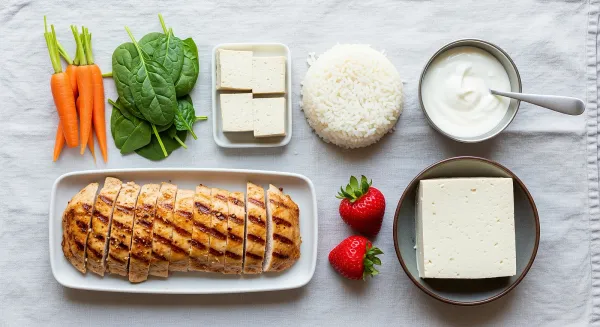
This is friendlier than it sounds, and plenty of naturally lower-FODMAP foods are exactly the kind of real, whole ingredients you already love. Think:
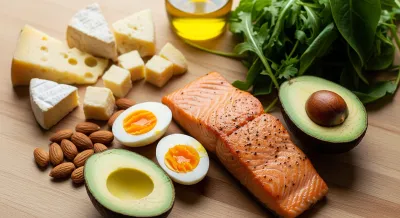
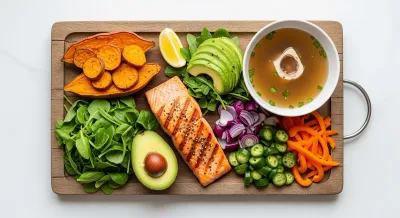
- Plain cooked meats, fish, eggs, and tofu
- Most leafy greens, plus carrots, zucchini, and bell peppers
- Oranges, grapes, strawberries, and firm bananas
- Gluten-free grains and lactose-free dairy, when you tolerate them
The classic real-food hurdle is onion and garlic, but here is a lovely trick: garlic-infused oil delivers all that flavor without the FODMAPs, because the troublesome carbs are water-soluble and stay behind in the water, not the oil. Portion size matters too, so “low-FODMAP” rarely means “zero.” Many foods are perfectly fine in smaller amounts, which gives you more room than you might think.
Making the low-FODMAP diet work for you
The best way to set yourself up for success is to treat this as a supported, temporary project rather than a solo endurance test. A few things make it far easier:
- Partner with a FODMAP-trained dietitian if you can. They help you ease into the elimination phase, reintroduce foods methodically, and keep your meals balanced and nourishing the whole way. It turns a fiddly process into a guided one.
- Ease in when life allows. The elimination phase asks for a little extra label-reading and planning, so a calmer stretch beats a hectic travel month. Pick a window where you can cook for yourself most days.
- Keep variety front and center. Because reducing fermentable fibers for a long time can trim back your beneficial gut bacteria, the goal is always to reintroduce and diversify. Aim for as many different tolerated plants as you can.
- Mind the long game on nutrients. Staying overly restricted long-term can shortchange nutrients like calcium, magnesium, vitamin C, folate, and riboflavin. That is another reason the reintroduction and personalization phases matter so much. Completing them is how you protect both your comfort and your nutrition.
- Check in with your provider. If symptoms are new, severe, or not improving, loop in your doctor so you know you are treating the right thing and can track how you respond over time.
Do this, and the diet stops being something that happens to you and becomes a tool you know how to use.
How the low-FODMAP approach fits a real-food kitchen
Here is the part I love: if you already cook from scratch, you are ahead of the game. Highly processed foods are common hiding places for high-FODMAP add-ins like inulin, high-fructose corn syrup, and onion and garlic powder, so simply making your own meals clears a lot of hurdles before you start.
So many real-food staples are naturally gentle here: eggs, plain meats and fish, leafy greens, carrots, zucchini, oranges, grapes, and firm bananas. Where low-FODMAP gently diverges from strict paleo is that certain gluten-free grains and lactose-free dairy can be genuinely useful and well tolerated, a nice reminder that this is about your body, not a rulebook. Use the reintroduction phase to learn your personal tolerances, then build the most varied, vibrant, real-food plate your gut is happy with.
Key takeaways
- The low-FODMAP diet is a gentle, temporary, three-phase reset for calming an unhappy gut and learning your personal triggers.
- The phases are elimination (2-6 weeks), reintroduction, and personalization, and the later phases are where the real value lives.
- The research is encouraging, with roughly three-quarters of people with IBS feeling better and reviews showing less bloating and pain.
- The goal is to reintroduce and eat broadly, which protects both your nutrition and your gut bacteria.
- A FODMAP-trained dietitian makes the whole process smoother, and whole, minimally processed foods make it delicious.
This guide is for general education and is not medical advice. Everyone's gut is different, so if you are dealing with ongoing digestive symptoms, talk with your doctor or a registered dietitian who can help you personalize the approach and make sure you are thriving.
Frequently Asked Questions
How do I start the low-FODMAP diet?
Begin with the elimination phase for about 2 to 6 weeks, gently lowering high-FODMAP foods so your gut can settle. Then move into reintroduction and personalization. Partnering with a FODMAP-trained dietitian makes each step easier and keeps your meals balanced, and picking a calmer stretch of life gives you room to plan and cook.
How long will I need to stay on it?
Not long, and that is by design. The strict elimination phase lasts only about 2 to 6 weeks, after which you reintroduce foods and build your personalized, less restrictive way of eating. The whole point is to end up eating as freely as your gut allows, not to stay restricted.
Does the low-FODMAP diet actually help?
For many people, yes. Monash University reports about three-quarters of people with IBS improve on it, and reviews show reduced bloating, pain, and better quality of life. Everyone's gut is different, so results vary, but the odds of meaningful relief are encouraging.
What can I eat?
Plenty of real, whole foods: plain cooked meats, fish, eggs, and tofu; leafy greens, carrots, zucchini, and bell peppers; oranges, grapes, strawberries, and firm bananas; and gluten-free grains or lactose-free dairy when you tolerate them. Garlic-infused oil is a great way to keep that flavor without the FODMAPs, and portion size gives you more flexibility than you might expect.
Do I need a dietitian?
It is not required, but it helps a lot. A FODMAP-trained registered dietitian guides you through eliminating gently, reintroducing methodically, and keeping your diet varied and nourishing, which makes the whole process smoother and less guesswork.
What does FODMAP stand for?
Fermentable Oligosaccharides, Disaccharides, Monosaccharides, and Polyols. These are short-chain carbohydrates that some people digest less easily, which can lead to gas, bloating, and discomfort in sensitive guts.
Sources
- Monash University: The 3 phases of the low FODMAP diet
- Monash University: Starting the Low FODMAP Diet
- Cleveland Clinic: Low FODMAP Diet: What it Is, Uses & How to Follow
- Harvard Health Publishing: The lowdown on the low-FODMAP diet
- Harvard Health Publishing: Try a FODMAPs diet to manage irritable bowel syndrome
- Journal of Neurogastroenterology and Motility: How to Implement the 3-Phase FODMAP Diet Into Gastroenterological Practice
This guide is for general education and is not medical advice. Everyone is different, so talk with your doctor or a registered dietitian before making a major change to how you eat, especially if you are pregnant, managing a health condition, or have a history of disordered eating.