

On this page
Someone texts me some version of this at least once a week: 'Krista, I want to cut seed oils but I feel like they're in literally everything. Where do I even start?' And honestly? They're not wrong. These oils are everywhere. But cutting them out is absolutely doable, even on a tight budget, even with a busy family, even when you're starting from zero. You just need a plan.
First, What Are We Actually Talking About?
Seed oils are industrially processed vegetable and seed-derived oils that have only been in the human food supply in any meaningful quantity for about 100 years. We're talking canola, soybean, corn, cottonseed, sunflower, safflower, and grapeseed oils, plus any generic 'vegetable oil' on a label, which is almost always a blend of these. They are high in polyunsaturated omega-6 fatty acids, primarily linoleic acid. The concern isn't omega-6 fat itself. The concern is the sheer amount of it we're consuming relative to omega-3s, and the fact that these oils are produced with heat, pressure, and chemical solvents that can create oxidative byproducts before the bottle even hits the shelf. Research published in nutrients and lipid metabolism journals has documented that linoleic acid can oxidize in the body and in food, and that oxidized fats are not something you want circulating in your system. The American diet flipped its fat profile dramatically in the 20th century. By some estimates, Americans now consume around 8 percent of their total calories from linoleic acid alone, compared to roughly 1 to 3 percent in pre-industrial diets. That is not a small shift. That is a full-scale replacement of traditional fats with something our cells have never seen at that volume. I am not going to tell you this 'causes' any specific disease, because that is not how I talk about nutrition and it is not how good science works. What I will say is that the ratio matters, the oxidation potential matters, and a lot of smart people in functional medicine and lipid research think this matters a lot for long-term health. I am one of them.
Why This Feels Impossible (And Why It Isn't)
The reason people get overwhelmed is that seed oils are the default fat in basically all processed and packaged food. Chips, crackers, granola bars, salad dressings, mayonnaise, frozen meals, restaurant food, 'healthy' protein bars, even some so-called natural peanut butters. They are cheap, they have a long shelf life, and the food industry loves them. So if you try to go cold turkey on every single packaged food at once while also switching your cooking fats AND eating out less AND reading every label, you will burn out fast. I've watched people do it and quit within two weeks. Here's how I actually coach this: pick one lane at a time. Wins compound. You do not need to be perfect by Friday.
Step 1: Swap Your Cooking Fats First (This Is the Biggest Win)
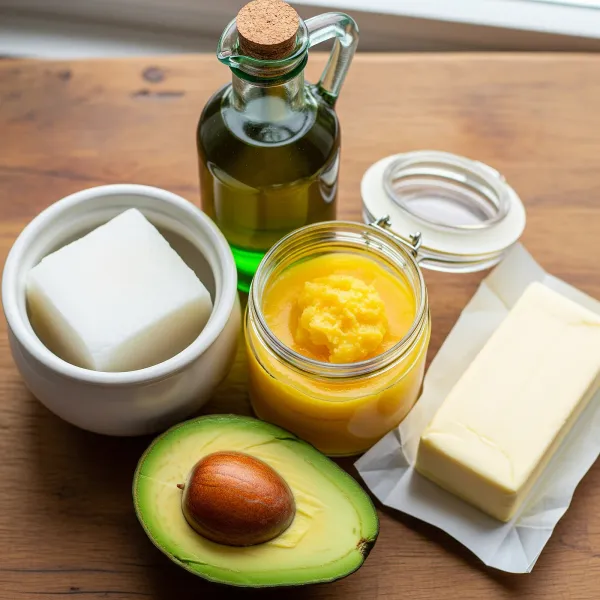
Your home cooking oil is the fastest, most impactful lever you can pull because you have total control over it. Every time you cook at home with canola or vegetable oil, you are adding a significant dose of oxidized omega-6 fat to a meal you made from scratch. Swap that out and you have already done more than most people ever do. Here is what to grab instead: Tallow (beef fat): This is what your great-grandmother fried in. It is shelf-stable, it has a high smoke point, and it tastes incredible. You can buy it rendered or render it yourself from beef suet. Smoke and Daggers, Fatworks, and Epic all make good versions. Lard: Pasture-raised lard from a heritage pig is a traditional fat with a fatty acid profile that's much more balanced than any seed oil. Great for roasting vegetables, sautéing, even baking. Look for lard that says 'no hydrogenated oils' on the label, because some commercial lard is partially hydrogenated, which you don't want. Coconut oil: Unrefined, extra-virgin coconut oil is primarily saturated fat, which makes it very stable at heat. It has a distinct coconut flavor that works beautifully in some things and not at all in others. Use it where it fits. Ghee: Clarified butter with the milk solids removed. High smoke point, rich flavor, and it keeps for months at room temperature. This is my everyday go-to for eggs, sautéed greens, and roasting. Extra-virgin olive oil: Best for low-to-medium heat and finishing. Do not use it for high-heat cooking because it does degrade with high heat. Drizzle it on after, use it in dressings, pour it over soups. Good olive oil is one of the most nutrient-dense fats you can eat. Avocado oil: The one I reach for when I need something neutral at high heat. A high-quality avocado oil has a high smoke point and a mild flavor. Just buy a reputable brand because studies have found that many cheap avocado oils on the market are adulterated with seed oils. UC Davis published research on this exact problem, so do not buy the cheapest bottle on the shelf.
Step 2: Tackle Your Condiments and Dressings
Conventional mayonnaise is made with soybean or canola oil. Most bottled salad dressings are the same. Ranch, Italian, Caesar, balsamic vinaigrette at the grocery store? Almost all seed oil bases. This is a huge hidden source that people miss entirely, especially because you might only use a tablespoon at a time, but tablespoons add up fast. The swaps here are easy and they taste better: Mayo: Primal Kitchen makes an avocado oil mayo that is genuinely good. Sir Kensington's 'Fabanaise' is another option. Or make your own in two minutes with avocado oil, an egg, a splash of lemon juice, and an immersion blender. Salad dressing: Mix your own. Olive oil, apple cider vinegar or lemon juice, Dijon mustard, garlic, salt. Done in 90 seconds. Or buy Primal Kitchen dressings, which use avocado oil. Hummus: Most store-bought hummus is loaded with canola or soybean oil. Make your own with tahini and olive oil, or find a brand that uses only olive oil. When you are reading labels, look for these words in the ingredients list: soybean oil, canola oil, corn oil, sunflower oil, safflower oil, cottonseed oil, grapeseed oil, vegetable oil, or 'expeller-pressed' versions of any of those. Expeller-pressed is still seed oil. It is mechanically pressed rather than chemically extracted, which is somewhat better, but the fatty acid profile is the same.
Step 3: Read Labels on Packaged Foods (Here's Exactly What to Look For)
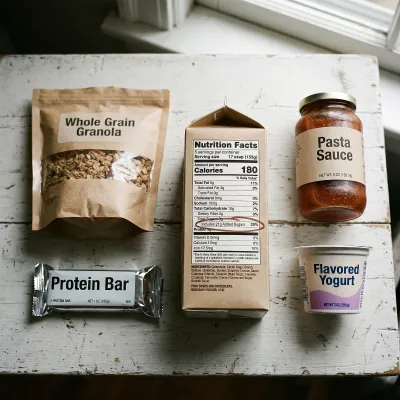
You do not need to throw out every packaged food in your house this weekend. What you need to do is learn to read ingredient lists, not nutrition facts panels, because the fat type is not broken out there. The ingredients list is your truth-teller. Ingredients are listed in descending order by weight, so if soybean oil is in the first three ingredients, that product has a lot of it. If it is near the end of a long list, there is a smaller amount, and you can make a judgment call about whether that is worth stressing over. Things to watch for beyond the obvious: - 'Made with vegetable oil' or 'may contain soybean or canola oil' on chips and crackers - 'Fractionated' oils, which are often palm or coconut but sometimes mixed with cheaper oils - Protein bars and energy bars almost universally contain seed oils or seed oil-adjacent fats - 'Healthy' snack foods marketed as grain-free or paleo that still use sunflower or safflower oil (check every label every time) - Restaurant foods, especially anything fried, almost certainly cooked in soybean or canola oil Go category by category. Start with what you eat most often. If you eat chips every day, that is more important to fix than the sunflower oil in the mayo you use once a week.
Step 4: Navigate Eating Out Without Being That Person
This is where most people feel like it is hopeless. And listen, if you eat every meal at a restaurant, cutting seed oils 100 percent is probably not realistic. But you can dramatically reduce your exposure without making every dinner out a political statement. Simple moves that work: Ask for olive oil and vinegar instead of house dressing. Most sit-down restaurants have it. It takes four seconds to ask. Avoid the fried stuff. Fryers in restaurants are filled with refined soybean or canola oil and those oils are heated repeatedly for hours, which accelerates oxidation. Skip the fries when you can and opt for a side salad or steamed vegetable instead. Eat the protein and the vegetables. A grilled steak or salmon fillet is usually cooked with some kind of oil or butter on the griddle, and you cannot control that, but the amount is small compared to a dish that is braised or sauced in a seed oil-heavy base. Steak houses and burger places are often your friend. A burger without the bun, a steak with a vegetable side, these are pretty naturally seed oil-light meals compared to anything pasta-based or deep fried. Sushi and Japanese food can be a decent option. Not perfect, but lighter on seed oil than most American or fast food. Give yourself permission to do your best and move on. One restaurant meal with some canola oil in the dressing is not going to unravel your health. This is a long game and the wins are in your consistent daily choices, not in being perfect at every social occasion.
Step 5: Budget This Realistically
I hear 'this is too expensive' a lot and I want to address it honestly. Yes, tallow and high-quality ghee cost more per ounce than a giant jug of vegetable oil. But you typically use less fat per cook when the fat is higher quality and more flavorful. And you are not buying a processed snack food every time you buy a cooking fat. Some budget moves: Render your own tallow or lard. Buy beef suet or pork fatback from a butcher or a farmers market vendor, often for very little money, and render it on the stove or in a slow cooker. You get a big batch for almost nothing and it keeps for months in the fridge or freezer. Buy ghee in larger sizes. Costco and some warehouse stores now carry ghee. Per ounce, buying bigger saves real money. Swap one thing at a time. Do not try to replace your entire pantry this month. Swap your cooking fat first. When you run out of your old mayo, replace it with avocado oil mayo. When you finish the store-bought dressing, start making your own. The expense is spread out and it becomes your new normal without a big one-time hit. Cook from scratch more. Every meal you make at home with good fats is a meal you are not paying a restaurant to make with bad ones. Cooking from scratch is almost always cheaper per serving anyway. I think about it this way: this body is not mine to trash. I was given it to steward, and stewarding it well sometimes means choosing the food that costs a little more because the long-term investment is worth it. That said, I also live in the real world and I know not everyone has the same budget, so work with what you have and keep moving forward.
What About the Seed Oils That Are Already in Your Body?
Here is something nobody tells you upfront: linoleic acid gets incorporated into your cell membranes and fat tissue, and it takes time to shift the ratio. Research suggests the half-life of linoleic acid in body fat is roughly two years, meaning a full tissue-level shift takes time, not days. That is not a reason to feel hopeless. It is a reason to start now. Every meal where you choose ghee over canola oil, every salad dressed with olive oil instead of store-bought ranch, is a vote for what you want your cells to be made of down the road. Progress is real even if it is slow. You will not feel a dramatic overnight difference from switching your cooking fat. This is not a fast-acting supplement. It is a foundational shift in what you are building your body from, meal by meal, over months and years. That is exactly how lasting health works.
Quick Reference: Your Seed Oil Swap Cheat Sheet
Use instead of canola or vegetable oil for high-heat cooking: Tallow, lard, ghee, refined avocado oil Use instead of canola or vegetable oil for medium heat: Coconut oil, ghee, lard Use instead of seed oil for finishing and dressings: Extra-virgin olive oil, avocado oil Use instead of store-bought mayo: Primal Kitchen avocado oil mayo, or homemade with avocado oil and a stick blender Use instead of bottled salad dressing: Olive oil and apple cider vinegar, Primal Kitchen dressings Labels to skip: Anything listing soybean oil, canola oil, corn oil, sunflower oil, safflower oil, cottonseed oil, grapeseed oil, or vegetable oil in the ingredients What to remember at restaurants: Olive oil and vinegar for dressing, grilled over fried, skip the sauces when you can --- This article is for general informational purposes only and is not medical advice. Always consult a qualified healthcare professional before making changes to your diet or health routine.
Key Takeaways
- Seed oils (canola, soybean, corn, sunflower, safflower, etc.) are high in omega-6 linoleic acid and are almost universally used in processed food and restaurant cooking.
- The fastest win is swapping your home cooking fats first: use tallow, lard, ghee, coconut oil, or quality avocado oil instead of vegetable or canola oil.
- Condiments and bottled dressings are a major hidden source of seed oils and are easy to swap or make at home.
- Read ingredient lists, not just nutrition labels, and look specifically for soybean oil, canola oil, corn oil, sunflower oil, safflower oil, cottonseed oil, grapeseed oil, and vegetable oil.
- Eating out is manageable without being obsessive: ask for olive oil, skip the fryer, and eat the protein and vegetables.
- You can render your own tallow or lard cheaply, buy ghee in bulk, and make your own dressings to keep costs reasonable.
- Tissue-level change takes time. Start now and trust that consistent daily choices add up.
Frequently Asked Questions
What cooking oils should I use instead of seed oils?
The best replacements for seed oils in home cooking are ghee (clarified butter), beef tallow, pasture-raised lard, unrefined coconut oil, and refined avocado oil for high heat. For finishing dishes and salad dressings, extra-virgin olive oil is excellent. Each has a different smoke point and flavor profile, so the best choice depends on what you're cooking.
Are seed oils really that bad for you?
The research is still evolving, so I'm not going to tell you seed oils 'cause' a specific disease. What the evidence does show is that modern diets contain far more omega-6 linoleic acid than pre-industrial diets did, and that these oils are prone to oxidation during processing and cooking. Many functional medicine practitioners, lipid researchers, and ancestral health experts consider the dramatic shift in dietary fat composition over the last century to be worth taking seriously. The prudent move is to reduce industrial seed oils and replace them with traditional fats your body recognizes.
How do I spot seed oils on a food label?
Look at the ingredients list (not the nutrition facts panel) and watch for: soybean oil, canola oil, corn oil, sunflower oil, safflower oil, cottonseed oil, grapeseed oil, and any generic 'vegetable oil.' These may also appear as 'expeller-pressed' versions, which are mechanically extracted rather than chemically extracted, but have the same fatty acid profile. If any of these appear in the first few ingredients, the product contains a significant amount of seed oil.
Is avocado oil a good replacement for vegetable oil?
Yes, high-quality avocado oil is one of the better options for high-heat cooking because it has a high smoke point and a neutral flavor. The catch is that UC Davis researchers found that many cheap avocado oil products on the market are adulterated with cheaper seed oils, so quality matters. Buy from a reputable brand and avoid the cheapest bottle on the shelf. Primal Kitchen and Chosen Foods are commonly recommended brands with better quality controls.
Sources
- UC Davis Olive Center: Adulteration of Avocado Oil: Research Findings on Oil Purity
- Frontiers in Nutrition: The controversial role of linoleic acid in cardiometabolic health
- BMJ Open Heart: Evidence from randomised controlled trials does not support current dietary fat guidelines: a systematic review and meta-analysis
- Advances in Nutrition: Increase in Adipose Tissue Linoleic Acid of US Adults in the Last Half Century
This article is for general informational purposes only and is not medical advice. Always consult a qualified healthcare professional before making changes to your diet or health routine.