


On this page
What is Intermittent Fasting?
Intermittent fasting is a time-restricted eating pattern where you alternate between periods of eating and fasting. Unlike traditional diets that focus on what to eat, intermittent fasting focuses on when to eat.
The most common methods include:
- 16/8 Method: Fast for 16 hours and eat within an 8-hour window.
- 5:2 Method: Eat normally for five days and restrict calorie intake to 500-600 calories for two non-consecutive days.
- Eat-Stop-Eat: Fast for a full 24 hours once or twice a week.
These approaches allow your body to cycle between fed and fasting states, leading to numerous physiological benefits.
Proven Benefits of Intermittent Fasting
1. Supports Weight Loss and Fat Burning
Intermittent fasting helps reduce overall calorie intake while promoting fat oxidation. During fasting, insulin levels drop, encouraging the body to utilize stored fat for energy. A 2020 systematic review in Canadian Family Physician found that intermittent fasting is as effective for weight loss as traditional calorie-restricted diets.
2. Enhances Metabolic Health
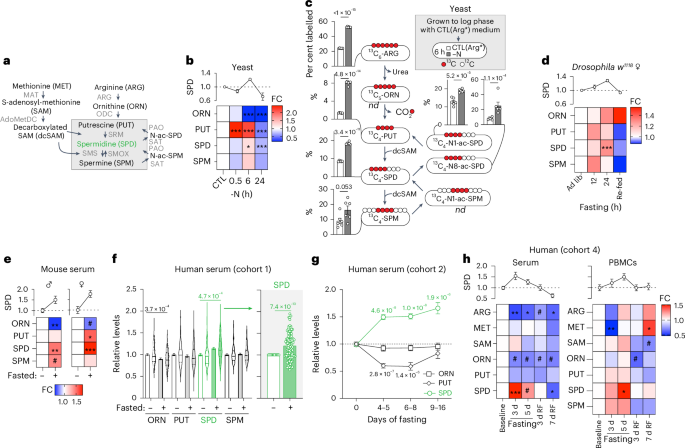
Fasting improves insulin sensitivity, which reduces the risk of type 2 diabetes. Studies have shown that intermittent fasting can lower fasting blood sugar levels and improve insulin response. This helps regulate blood sugar and reduces inflammation.
3. Promotes Cellular Repair and Longevity
During fasting, the body initiates autophagy, a cellular “clean-up” process where damaged cells are repaired or removed. This mechanism may help reduce the risk of chronic diseases such as cancer and neurodegenerative conditions.
4. Improves Brain Function
Intermittent fasting supports brain health by increasing the production of brain-derived neurotrophic factor (BDNF), a protein associated with improved memory and cognitive function. It may also reduce the risk of Alzheimer’s and Parkinson’s diseases.
5. Reduces Inflammation
Chronic inflammation is a precursor to many diseases, including heart disease and arthritis. Intermittent fasting has been shown to reduce markers of inflammation, promoting overall health and well-being.
How to Start Intermittent Fasting
- Choose Your Method: Select an approach that fits your lifestyle. Beginners often start with the 16/8 method as it’s simple to implement.
- Stay Hydrated: Drink plenty of water during fasting periods to stay hydrated and reduce hunger pangs.
- Focus on Nutrient-Dense Foods: During eating windows, prioritize whole foods such as lean proteins, healthy fats, vegetables, and fruits.
- Be Patient: It can take a week or two for your body to adjust. Start slowly and listen to your body.
FAQs
Is intermittent fasting safe for everyone?
Intermittent fasting is generally safe for healthy individuals. However, pregnant or breastfeeding women, individuals with a history of eating disorders, or those with certain medical conditions should consult a healthcare professional before starting.
Can I drink coffee during fasting periods?
Yes, black coffee and other zero-calorie beverages (like tea or water) are typically allowed during fasting windows.
Will fasting make me lose muscle mass?
When combined with resistance training and adequate protein intake, intermittent fasting does not lead to muscle loss.
Conclusion
Intermittent fasting offers a sustainable, scientifically backed way to improve your health and wellness. From enhancing metabolic health to reducing inflammation and boosting brain function, the benefits are hard to ignore.
Have you tried intermittent fasting? Share your experience and tips in the comments or tag @ThatPaleoChick to join the conversation!
Sources
 ✉Correspondence: Dr Len Kelly; e-mail lkellymcmaster.ca

 Sebastian J. Hofer