


I used to think poor sleep was just... life. You grow up, you get busy, you stare at the ceiling at midnight replaying every awkward thing you said in 2009. I figured that was just adulthood. Then I started paying attention to what I was actually putting in my body, and more specifically, what I was NOT putting in it. Magnesium was one of the first big missing pieces I found, and it completely changed how I approach sleep.
Why Magnesium and Sleep Are So Closely Connected
Magnesium is involved in over 300 enzymatic reactions in the human body. That is not a typo. Over 300. So when we're running low, a lot of things start to go sideways, and sleep is near the top of that list. Here's the basic biology: magnesium acts on the central nervous system in two key ways. First, it activates the parasympathetic nervous system, which is your rest-and-digest mode. Second, it regulates neurotransmitters like GABA (gamma-aminobutyric acid), which is essentially your brain's main calming signal. Without adequate magnesium, your brain has a harder time quieting down at night. Research published in the journal Nutrients found that magnesium plays a significant role in sleep regulation, influencing both sleep quality and duration. Low magnesium levels have been associated with increased nighttime cortisol and altered melatonin signaling, two things that will absolutely destroy your ability to fall and stay asleep. This is not a fringe theory. The mechanism is well-documented. On top of that, magnesium helps regulate your body temperature, which naturally needs to drop for deep sleep to kick in. It also helps relax muscle tension, which matters a lot if you're someone who holds stress physically and wakes up stiff or restless.
Most of Us Are Running on Empty (And Don't Know It)
Here's the frustrating part: magnesium deficiency is incredibly common, and standard blood tests often miss it. The reason is that only about 1% of your body's magnesium actually lives in your blood. The rest is stored in your bones, muscles, and soft tissue. So your serum magnesium can look totally fine on a lab panel while your cells are basically running on fumes. The National Institutes of Health estimates that large segments of the U.S. population don't get enough magnesium from their diet. The RDA for adult women is around 310 to 320 mg per day and for adult men it's 400 to 420 mg per day, but surveys consistently show average intakes falling well below that. Why? A few reasons. Our soil has been progressively depleted of magnesium through industrial farming practices, which means even whole foods carry less of it than they used to. We're also eating more processed food than ever, and processed food is essentially stripped of magnesium. Add in chronic stress (which burns through magnesium fast), alcohol, caffeine, and certain medications like PPIs and diuretics, and you've got a population that is quietly, chronically deficient. I think about it this way: God designed our bodies to run on real, whole, mineral-rich food from the ground. When we move away from that, we start patching holes we don't even know we have.
What the Research Actually Says About Magnesium and Sleep Quality
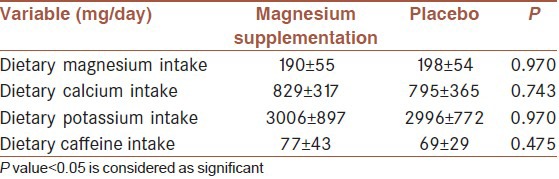
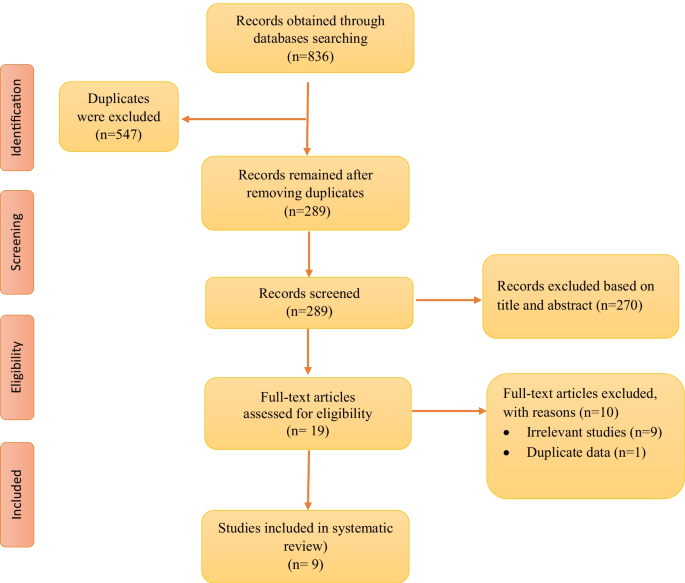
Let's talk about evidence, because I am not here to sell you something I can't back up. A double-blind, placebo-controlled study published in the Journal of Research in Medical Sciences looked at older adults with insomnia who supplemented with magnesium. The group taking magnesium saw significant improvements in sleep onset (how fast they fell asleep), sleep duration, sleep efficiency, and early morning awakening. They also had measurably higher levels of melatonin and lower levels of cortisol compared to the placebo group. Another meta-analysis and review of clinical data found consistent associations between higher magnesium intake and better subjective and objective sleep quality, particularly in older adults and individuals under significant stress. Now, to be fair and accurate: the research base is more robust in older adults and deficient populations. If you're young, eat a mineral-rich whole-food diet, and sleep like a log, magnesium supplementation probably isn't going to be transformative for you. But for most of us, especially those eating a Standard American Diet or dealing with chronic stress, there is real, credible evidence that addressing magnesium status can meaningfully improve sleep. That's worth paying attention to.
Real Food Sources of Magnesium (Start Here)
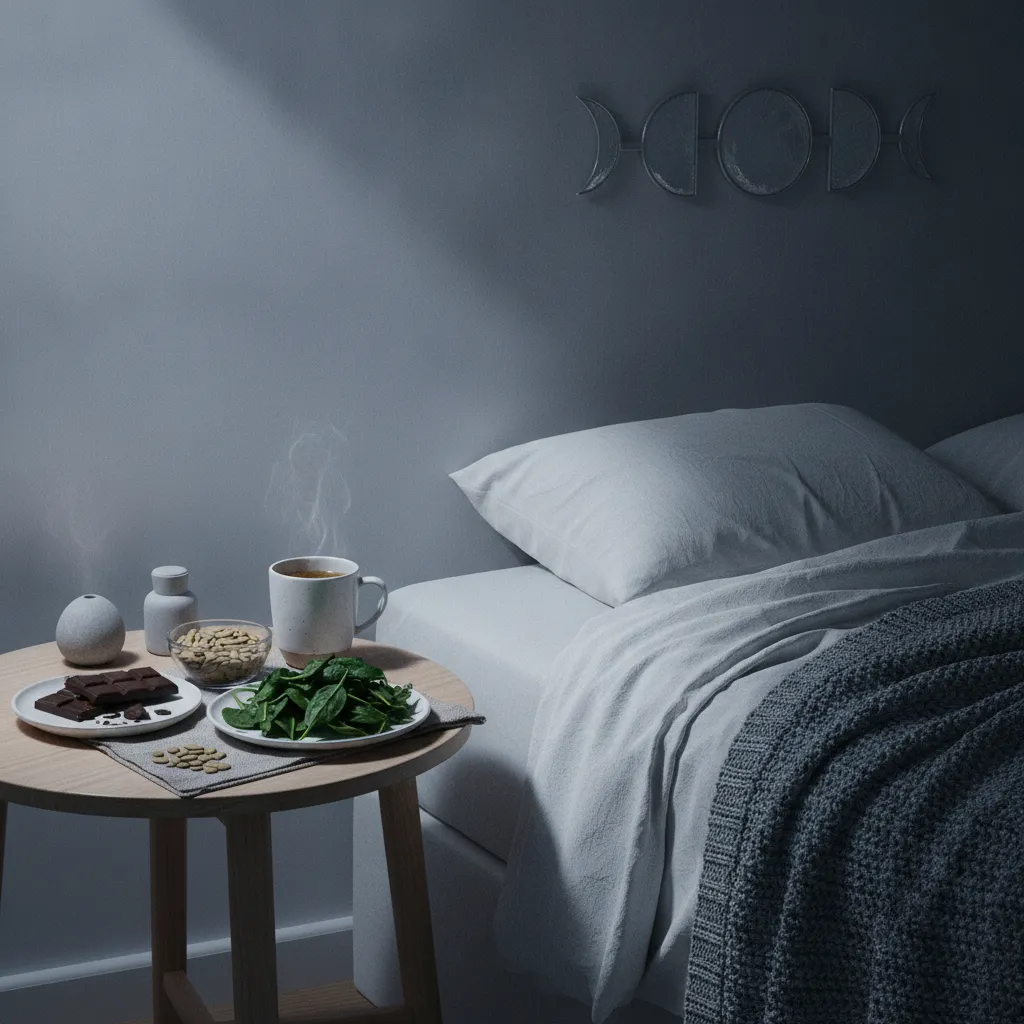
Before I say anything about supplements, I want to go back to food, because that is always the foundation. Always. Supplements are meant to supplement a real-food diet, not replace it. Some of the best whole-food sources of magnesium: Dark leafy greens. Spinach, Swiss chard, and kale are among the richest sources. A cup of cooked spinach has around 150 mg. Pumpkin seeds. One of the single highest-magnesium foods you can eat. An ounce has roughly 150 mg. I throw them on salads, in trail mix, or just eat them by the handful. Dark chocolate. Yes, really. A one-ounce serving of high-quality dark chocolate (85% or higher) has about 50 mg. This is not a hall pass to eat a whole bar, but it is good news. Avocado. One medium avocado gives you about 58 mg plus all those beautiful healthy fats. Wild-caught fatty fish. Mackerel and salmon both provide meaningful amounts. Nuts. Almonds, cashews, and Brazil nuts are solid sources. Legumes. If you tolerate them, black beans, lentils, and chickpeas are excellent. The real-food approach matters beyond just the numbers. Whole foods deliver magnesium in a matrix of cofactors, including B6, potassium, and vitamin D, that actually help your body absorb and use it. You can't replicate that with a pill.
Which Form of Magnesium Supplement Works Best for Sleep
Okay, so you're eating real food AND you still want to support your sleep with a supplement. Fair. Here's where form matters a lot, because not all magnesium supplements are created equal. Magnesium glycinate is my top recommendation for sleep specifically. It's magnesium bound to the amino acid glycine, and glycine itself has independent calming, sleep-supporting properties. It's highly bioavailable, gentle on the stomach, and less likely to cause the laxative effect you might have heard about. This is the one I use personally and the one I most often point people toward. Magnesium threonate has some interesting emerging research around brain health and cognitive function because it's been shown to cross the blood-brain barrier more effectively than other forms. If sleep disruption is tied to anxiety or racing thoughts, this one may be worth considering. Magnesium citrate is widely available and reasonably well absorbed, but it has a more pronounced laxative effect at higher doses. It's fine at lower amounts but not ideal right before bed if your stomach is sensitive. Magnesium oxide is cheap and ubiquitous, and honestly, it's not great. It has poor bioavailability, meaning your body absorbs very little of it. Skip it. A typical starting dose for sleep is 200 to 400 mg of magnesium glycinate taken about an hour before bed. That said, I always say: start low, see how you respond, and talk to your healthcare provider before adding supplements, especially if you have kidney issues or take any medications that interact with magnesium.
Practical Tips to Actually Make This Work
Taking magnesium isn't the whole picture. I want to give you the context it needs to actually do its job. Take it at night. Magnesium's calming, muscle-relaxing effects are most useful in the evening. Taking it with dinner or about an hour before bed is your best window. Pair it with a wind-down routine. Magnesium supports your nervous system's ability to downshift, but you've got to give it something to work with. Screens blasting blue light into your eyeballs at 10 PM are working against you. Even 20 minutes of low-light, low-stimulation time before bed can make a real difference. Check your vitamin D and B6 levels. Both of these nutrients work in tandem with magnesium. Vitamin D deficiency can impair magnesium metabolism, and B6 helps the body use magnesium at the cellular level. If you're supplementing magnesium and not seeing results, these could be why. Consider an Epsom salt bath. Epsom salts are magnesium sulfate, and while the research on transdermal absorption is mixed and not conclusive, many people find a warm bath itself deeply relaxing and sleep-promoting. Worst case, it's a warm bath. I'll take it. Address the drain. If you're chronically stressed, drinking a lot of alcohol, hammering caffeine all day, or on medications that deplete magnesium, you're filling a leaky bucket. Supporting your sleep means looking at what's draining your magnesium in the first place. This is root-cause thinking. Not just putting a patch over the symptom, but asking why the symptom is there.
A Note on Sleep as Stewardship
I'll be honest with you: I used to treat sleep like it was negotiable. Like grinding through on five or six hours was some kind of badge of honor. I see that differently now. Our bodies were designed to rest. Scripture even opens with rest built into creation, right there in Genesis. Sleep is not laziness. It is the nightly repair, restoration, and renewal that your body absolutely requires to function as the thing God made it to be. Chronic sleep deprivation is connected to increased inflammation, hormonal disruption, impaired immune function, blood sugar dysregulation, and mental health struggles. That's not fearmongering. That's physiology. Stearding this body well means taking sleep seriously. And sometimes the most practical, grounded step you can take is making sure you're not walking around depleted in one of the most essential minerals your nervous system needs to power down. Magnesium won't fix everything. But for a lot of people, it's a real, meaningful, evidence-backed piece of the puzzle. And it's worth trying. --- *This article is for general informational purposes only and is not medical advice. Always consult a qualified healthcare professional before making changes to your diet or health routine.*
Key Takeaways
- Magnesium is involved in over 300 enzymatic processes and plays a direct role in calming the nervous system, regulating GABA and melatonin, and supporting deep sleep.
- Most Americans don't meet the recommended daily intake for magnesium, and standard blood tests often miss true deficiency because most magnesium is stored in tissues, not blood.
- Clinical research supports magnesium supplementation for improving sleep onset, duration, and efficiency, especially in older adults and those under chronic stress.
- Real food sources like dark leafy greens, pumpkin seeds, dark chocolate, and avocado should always be the first line of support.
- Magnesium glycinate is the best-tolerated and most sleep-specific form of magnesium supplement; avoid magnesium oxide.
- Magnesium works best as part of a broader wind-down strategy that includes managing stress, limiting blue light, and addressing nutritional cofactors like vitamin D and B6.
Frequently Asked Questions
How much magnesium should I take for better sleep?
A commonly used starting dose for sleep support is 200 to 400 mg of magnesium glycinate taken about an hour before bed. The RDA for magnesium is 310 to 320 mg per day for adult women and 400 to 420 mg for adult men. It's best to start at the lower end, see how your body responds, and talk to a healthcare provider before starting any new supplement, especially if you have kidney issues or take medications that interact with magnesium.
What is the best form of magnesium for sleep?
Magnesium glycinate is widely considered the best form for sleep. It's highly bioavailable, gentle on the stomach, and bound to the amino acid glycine, which has its own calming and sleep-supporting properties. Magnesium threonate is another good option if sleep disruption is driven by anxiety or cognitive restlessness. Avoid magnesium oxide, which is poorly absorbed and widely considered the least effective form.
How do I know if I'm low in magnesium?
This is where it gets tricky. Standard serum magnesium blood tests are not a reliable indicator of true magnesium status because only about 1% of the body's magnesium is found in the blood. Symptoms of low magnesium can include difficulty sleeping, muscle cramps or twitching, anxiety, fatigue, headaches, and constipation. A functional medicine practitioner may use a red blood cell (RBC) magnesium test, which is more reflective of tissue magnesium stores. Diet history and symptom patterns also inform the picture.
Can I get enough magnesium for sleep from food alone?
For some people, yes, if they are consistently eating a varied, whole-food diet rich in dark leafy greens, pumpkin seeds, nuts, seeds, and legumes. The challenge is that soil depletion has reduced the magnesium content of many foods, and chronic stress, caffeine, and alcohol all increase magnesium excretion. If you're eating well and still struggling with sleep, a high-quality magnesium glycinate supplement is a reasonable, low-risk option to explore with your healthcare provider.
Sources



 Arman Arab
This article is for general informational purposes only and is not medical advice. Always consult a qualified healthcare professional before making changes to your diet or health routine.

Join the conversation
What do you think?
Free members can comment, reply and like. It takes ten seconds.