

On this page
Our digestive system is home to over 100 trillion bacteria from more than 500 different species, forming a community of microbes known as the gut microbiota. This community plays a critical role in digestion, immune function, and nutrient absorption. Two types of foods, probiotics and prebiotics, are essential for maintaining a balanced gut microbiome. Here’s how they work, why they’re beneficial, and how to incorporate them into your diet.
Understanding Probiotics
Probiotics are live microorganisms, often referred to as “good bacteria,” that help populate our gut with beneficial microbes. These bacteria support digestion, enhance immune defense, and help produce essential vitamins. When consumed regularly, probiotics aid in balancing the gut’s microflora, which is vital for overall health.
Key probiotic strains commonly found in the gut include Lactobacilli and Bifidobacteria. While these can be taken as supplements, they’re also found in a variety of fermented foods. For optimal health, it’s recommended to consume probiotics regularly, ideally 1 to 25 billion colony-forming units (CFUs) daily, which can be achieved through dietary sources.
Probiotic-Rich Foods
To incorporate probiotics into your diet, focus on fermented foods, which naturally contain beneficial bacteria. Here are some common examples:
- Dairy-Based Probiotics: Acidophilus milk, buttermilk, aged cheese, cottage cheese, kefir, sour cream, plain yogurt with active cultures.
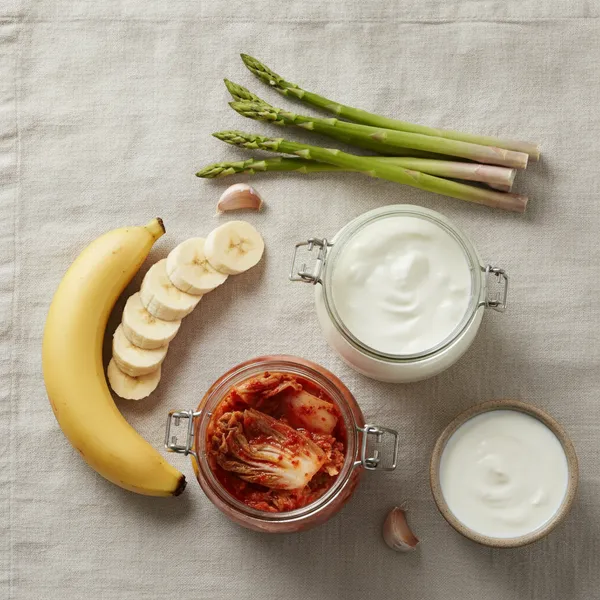
- Non-Dairy Probiotics: Fermented meats, kimchi, kombucha, miso, natto, raw pickled vegetables, sauerkraut, tempeh, and non-dairy yogurt with active cultures.
Tip: When buying probiotic foods, check the label to ensure they contain “active, live cultures.” Organic, raw, and unpasteurized options retain more beneficial bacteria, making them a better choice for supporting gut health.
Health Benefits of Probiotics
Regular consumption of probiotic-rich foods has several potential benefits:
- Enhanced Digestion: Probiotics assist in breaking down food, making nutrients more accessible.
- Immune Support: By supporting gut health, probiotics help strengthen the immune system and improve resistance to infections.
- Reduction in Inflammation: A balanced microbiome can help reduce inflammation in the digestive tract, alleviating symptoms of IBS, colitis, and other conditions.
- Vitamin Production: Some probiotics synthesize essential vitamins like B12 and K2, contributing to overall nutrient levels.
Understanding Prebiotics
While probiotics introduce beneficial bacteria, prebiotics act as food for these microbes. Prebiotics are fiber-rich foods that feed probiotics, promoting their growth and helping them thrive in the digestive tract. When probiotics break down prebiotics, they produce beneficial byproducts like butyric acid, which nourishes the cells lining the colon and creates an environment less hospitable to harmful bacteria.
Prebiotic-Rich Foods
Many common foods contain prebiotic fibers that support gut health by feeding beneficial bacteria. Here are some examples:
- Vegetables: Asparagus, dandelion greens, eggplant, endive, garlic, Jerusalem artichokes (sunchokes), jicama, leeks, onions, radicchio.
- Fruits: Bananas.
- Whole Grains and Legumes: Whole grains and legumes like peas provide fiber and prebiotic compounds.
Including a variety of these foods in your diet promotes the growth of healthy gut bacteria, enhancing the benefits of probiotics.
Health Benefits of Prebiotics
Prebiotic-rich foods provide a range of benefits, particularly when paired with probiotic foods:
- Improved Digestive Health: Prebiotics support digestion by nourishing beneficial bacteria that help break down food and absorb nutrients.
- Colon Health: Prebiotic breakdown products, like butyric acid, fuel colon cells, protecting against conditions like colorectal cancer.
- Enhanced Immune Function: Prebiotics stimulate the growth of good bacteria, helping the immune system identify and respond to pathogens effectively.
- Improved Mineral Absorption: Prebiotics may improve the absorption of minerals like calcium and magnesium, essential for bone health.
Combining Probiotics and Prebiotics: Synbiotics
To maximize the benefits of probiotics and prebiotics, it’s helpful to combine them in meals, a concept known as synbiotics. For instance, pair a serving of yogurt (probiotic) with bananas or oats (prebiotics) for a gut-friendly snack. This combination promotes a balanced microbiome, allowing beneficial bacteria to thrive and support overall health.
Conclusion
Maintaining a healthy gut involves regularly consuming both probiotic and prebiotic foods. Probiotics introduce beneficial bacteria, while prebiotics feed and sustain them, creating a balanced and resilient microbiome. By including a variety of these foods in your diet, you can enhance digestion, support immunity, and promote long-term wellness.
QUOTE
"The digestive tract is home to more than 500 species of bacteria, comprising about 100 trillion bugs altogether. Collectively, they are tremendously important for overall health."
References
- Huffnagle G. The Probiotics Revolution. New York, NY: Bantam Books; 2008.
- Lipski L. Digestive Wellness. 4th ed. New York, NY: McGraw Hill; 2012.
- Mahan LK, Escott-Stump S, Raymond JL. Krause’s Food and Nutrition Care Process. 13th ed. St. Louis, MO: Elsevier; 2012.
- Vighi G, Marcucci F, Sensi L, Di Cara G, Frati F. "Allergy and the gastrointestinal system." Clinical & Experimental Immunology. 2008: 153, 3-6. Clinical and Experimental Immunology (2008): Allergy and the gastrointestinal system.
These references provide scientific backing for the health benefits of probiotics and prebiotics, supporting their role in promoting digestive and immune health.