

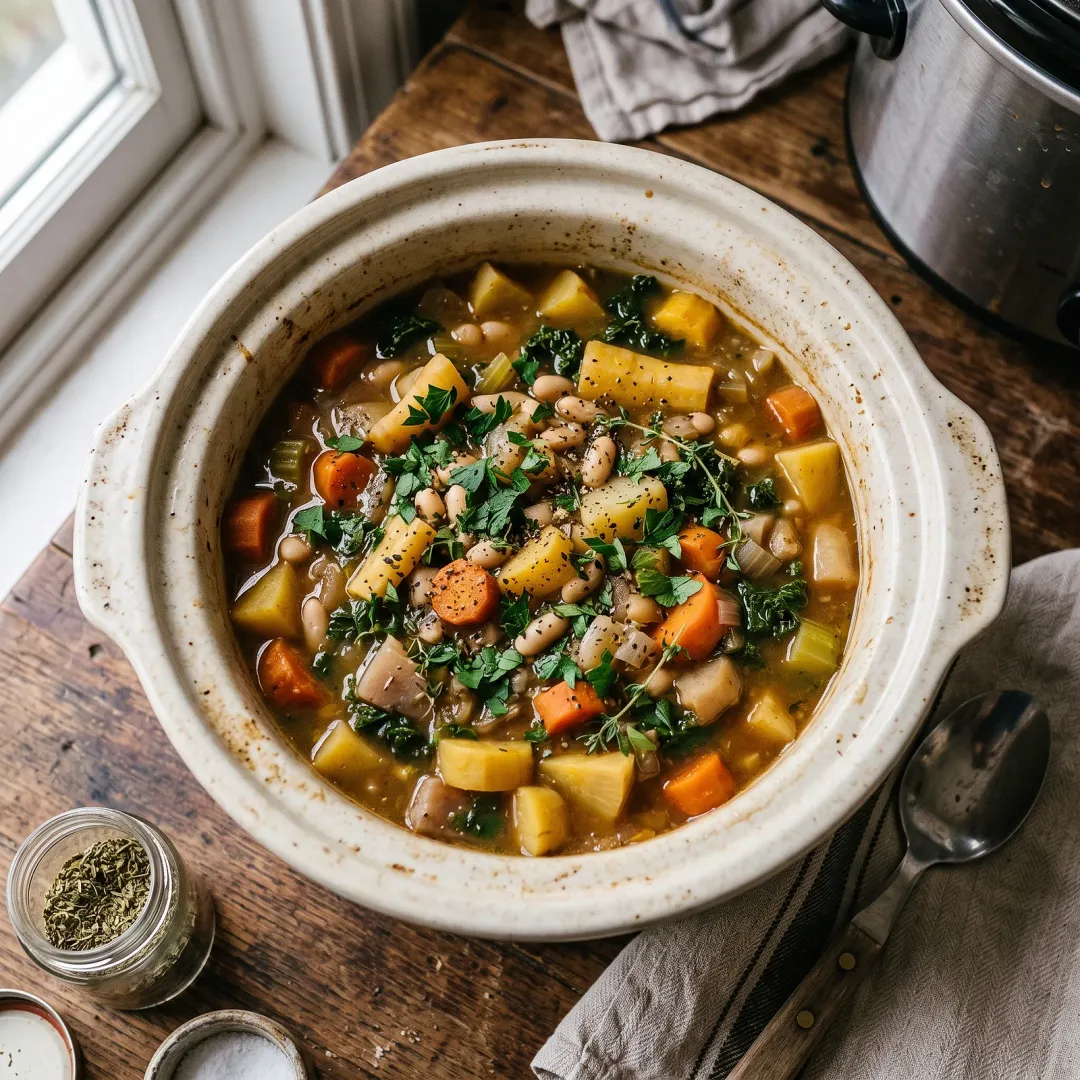

Slow cookers get a bad reputation in real-food circles, and honestly, it's not the appliance's fault. It's the execution. Watery broth, mushy vegetables, meat that tastes like it steamed instead of braised, a soup that smells exactly the same on day five as it did on day one. Those are technique problems, not appliance problems. Fix the technique and the slow cooker becomes one of the hardest-working tools you own: it turns cheap, nutrient-dense cuts and humble vegetables into deeply flavored meals while you are doing literally anything else. Here are eleven things that will change how yours performs.
1. Brown Your Aromatics First (Yes, Even on a Busy Morning)
The biggest flavor mistake people make with a slow cooker is dumping everything in raw and walking away. Maillard browning, the chemical reaction that happens when proteins and sugars hit a hot, dry surface, creates hundreds of flavor compounds that simply do not develop in moist, low heat. A 2015 review in the journal Comprehensive Reviews in Food Science and Food Safety explains how Maillard products contribute the majority of cooked food's complex aroma and taste.
You do not need to brown every single ingredient. Two minutes sautéing diced onion, garlic, and whatever spice you are using in a hot skillet before they go into the pot makes a real difference. On the days you genuinely cannot do it, fine, skip it. But when you have the five minutes, use them. The gap in flavor is not subtle.
2. Layer Your Vegetables by Density, Not by Grab
Root vegetables and winter squash go on the bottom and sides of the insert, closest to the heat source. Delicate things like zucchini, leafy greens, or cherry tomatoes go on top, and often not until the last thirty to sixty minutes of cook time. This is not fussiness. The bottom of a slow cooker runs significantly hotter than the top, and dense vegetables like carrots, parsnips, and turnips need that direct heat to soften without turning the rest of your batch into mush.
For a vegetable-heavy dish, think of it like this: put the things that take the longest to cook where the heat is highest. Cubed sweet potato and beets go down first. Fennel and green beans join later. Fresh herbs and any tender leafy greens get stirred in right before you serve. This one adjustment alone fixes most of the "everything is either raw or disintegrated" complaints.
3. Use Less Liquid Than You Think You Need
A slow cooker is a sealed, moist environment. Vegetables release liquid as they cook, and that liquid has nowhere to evaporate because the lid is on. If you fill it to the manufacturer's suggested line with broth on top of a full load of produce and aromatics, you will end up with something closer to soup than a braise, even if that was not your goal.
A practical rule: start with about half the liquid a stovetop recipe calls for. A good bone broth or vegetable broth adds flavor and minerals, so what you do use should count. The USDA guidelines on slow cooker food safety recommend filling the cooker no less than half and no more than two-thirds full for both safety and quality reasons, so work within that range and use restraint with added liquids.
4. Resist the Urge to Lift the Lid
Every time you lift that lid, you lose roughly fifteen to twenty minutes of cook time because the cooker has to rebuild its internal temperature and steam environment. The USDA slow cooker food safety guidance specifically notes this, and it explains why dishes that get frequently checked always seem to take longer and cook less evenly than ones that are simply left alone.
If you need to add ingredients partway through (like those delicate vegetables in tip 2), do it quickly with the lid off for as short a time as possible, add what you need, replace the lid, and walk away again. Trust the process.
5. Season at the End, Not Just the Beginning
Slow cooking concentrates and sometimes mutes certain flavors over long cook times. Salt in particular behaves differently after eight hours of heat than it does in a quick sauté. Acid gets especially dull. A squeeze of lemon juice, a splash of apple cider vinegar, or a handful of fresh herbs stirred in right before serving wakes the whole dish back up in a way that no amount of upfront seasoning can replicate.
This is true for spices too. Delicate spices like cumin and coriander can go a bit flat over a long cook. Add a small extra pinch of your spice blend in the last hour if the dish needs brightness. Heartier spices like smoked paprika and turmeric hold up better, but fresh herbs, citrus, and a good finishing salt are almost always worth adding at the end regardless.
6. Use the Low Setting More Than the High Setting
High setting on a slow cooker is not just a faster version of low. The temperature difference is real: most slow cookers reach around 190 to 200°F on low and closer to 300°F on high. That higher heat can push vegetables past tender and into falling apart, and it can make leaner proteins (like white beans or legumes) go grainy and dry.
For most dishes, low and slow is genuinely better. Eight hours on low gives more even, deeper flavor development than four hours on high. Save the high setting for the days when you genuinely forgot to start it in time, and understand that you may be trading some texture for the time savings. The USDA food safety guidance confirms that both settings reach temperatures sufficient to destroy harmful bacteria, so the choice is about quality, not safety.
7. Make Your Own Stock in It
One of the most underrated uses of a slow cooker is stock. Vegetable scraps, carrot tops, celery ends, onion skins, parsley stems, leek tops, mushroom stems, and any other aromatics you would otherwise compost go into the insert with filtered water, a bay leaf, some peppercorns, and a splash of apple cider vinegar. Cook on low for eight to twelve hours, strain, and store.
The vinegar matters. Research published in Food Chemistry found that an acidic cooking environment increases the extraction of minerals from plant material into liquid, which means your broth is actually doing more nutritional work when you add that splash of acid. Keep a freezer bag going for scraps throughout the week, then dump it into the slow cooker on Sunday night. Wake up to stock that would cost eight dollars a carton at the store.
8. Do Not Crowd It With Frozen Vegetables
Adding a large quantity of frozen vegetables to a slow cooker is a food safety issue, not just a texture one. Frozen produce drops the internal temperature of the cooker significantly, and a slow cooker that spends an extended period in the temperature danger zone (40 to 140°F, per the USDA) long enough for bacteria to multiply is a problem.
If you want to use frozen vegetables, thaw them first and add them toward the end of cooking. Or use fresh. Fresh vegetables cost only marginally more when you are buying seasonal and in bulk, and they cook more predictably and hold their texture better in a slow-cooked environment.
9. Finish Thick Sauces on the Stovetop
If you want a thick, clingy sauce or stew and not a thin broth at the end of your cook, do not try to thicken inside the slow cooker. Lifting the lid repeatedly (see tip 4) is counterproductive, and adding starch to a full slow cooker can cook unevenly.
Instead, when your cook time is up, pour the liquid into a small saucepan, bring it to a boil, and reduce it for five to ten minutes until it reaches the consistency you want. Or whisk in a small amount of arrowroot starch slurry on the stovetop. Takes almost no time and gives you a finished-looking dish instead of a watery one. This technique also lets you taste and adjust seasoning more accurately than trying to do it inside a full cooker.
10. Repurpose Leftovers Instead of Reheating the Same Dish
A big slow cooker batch of roasted vegetable and white bean stew does not have to be eaten as stew every single time. On night one, serve it as is. Night two, roughly mash half the beans into the broth to thicken it and serve it over cauliflower rice. Night three, spoon it into grain-free wraps with avocado and pickled onion. Night four, blend the whole thing into a smooth vegetable soup.
This is one of the most practical things you can do to stay on a real-food routine without food fatigue. You are batch-cooking once but eating four different meals. The slow cooker is already doing the heavy lifting; give yourself permission to get creative with what comes out of it.
11. Clean It While It Is Still Warm
This one is not glamorous, but it saves real time and effort. A slow cooker insert that has been sitting for hours with dried-on starch and fat is much harder to clean than one you rinse and wipe right after serving. Fill the warm insert with hot water and a few drops of dish soap and let it sit for ten minutes while you eat. That is usually enough to loosen almost everything.
For stubborn residue, a paste of baking soda and water left for fifteen minutes works without scratching the ceramic. Avoid submerging the outer heating element in water, and check your manufacturer's instructions before putting the insert in the dishwasher, since not all of them are dishwasher-safe even if the ceramic looks like it should be.
Taking care of the tool means it takes care of you for years. That is just good stewardship.
The Bottom Line
A slow cooker rewards patience and a little intention. You do not need a dozen appliances to cook real food well. You need a few tools you actually understand how to use. Brown your aromatics, layer your vegetables smart, trust the low setting, and let it do what it was designed to do: transform simple, whole ingredients into something that tastes like you were home all day.
This article is for general informational purposes only and is not medical advice. Always consult a qualified healthcare professional before making changes to your diet or health routine.
Key Takeaways
- Brown onions and aromatics in a skillet before adding them to the slow cooker for significantly deeper flavor.
- Layer dense root vegetables on the bottom and add delicate vegetables in the last 30 to 60 minutes.
- Use about half the liquid a stovetop recipe calls for: vegetables release liquid as they cook.
- Every time you lift the lid, you add 15 to 20 minutes to your cook time. Leave it alone.
- Season again at the end with fresh herbs, acid, or finishing salt to brighten flavors that mute over long cook times.
- Low setting produces more even, better-textured results than high setting for most dishes.
- Make stock from vegetable scraps with a splash of apple cider vinegar to increase mineral extraction.
- Never add large quantities of frozen vegetables directly: thaw first or add toward the end.
- Reduce thin sauces on the stovetop after cooking rather than trying to thicken inside the slow cooker.
- Repurpose one big batch into multiple different meals to avoid food fatigue.
- Clean the insert while it is still warm to save real scrubbing effort later.
Frequently Asked Questions
Should I put raw vegetables in a slow cooker?
Yes, but placement matters. Dense vegetables like carrots, parsnips, sweet potatoes, and turnips should go on the bottom and sides of the insert where the heat is highest. Delicate vegetables like zucchini, green beans, or leafy greens should be added in the last 30 to 60 minutes to avoid overcooking and mushiness.
Why does my slow cooker food taste bland?
A few common reasons: aromatics were not browned before going in, which skips the Maillard reaction that builds deep flavor; too much liquid was added, which dilutes taste; and nothing was added at the end to brighten the dish. Fresh herbs, a squeeze of lemon, apple cider vinegar, or a good finishing salt stirred in right before serving makes a significant difference.
Is it better to cook on low or high in a slow cooker?
For most dishes, low is better. The low setting (around 190 to 200°F on most models) produces more even cooking and better texture than the high setting (closer to 300°F), which can make vegetables mushy and cause some ingredients to dry out or cook unevenly. Use high only when you genuinely need to cut cook time.
Can I put frozen vegetables straight into a slow cooker?
It is best to avoid adding large quantities of frozen vegetables directly. They drop the internal temperature of the cooker significantly, which can push the contents into the food safety danger zone (40 to 140°F) for longer than is recommended. Thaw frozen vegetables first, or add them toward the end of cook time when the rest of the dish is already at a safe temperature.
Sources
- Comprehensive Reviews in Food Science and Food Safety (IFT): Maillard Reaction Products in Food: A Review
- USDA Food Safety and Inspection Service: Slow Cookers and Food Safety
- Food Chemistry (ScienceDirect): Mineral extraction from plant material in acidic cooking environments
This article is for general informational purposes only and is not medical advice. Always consult a qualified healthcare professional before making changes to your diet or health routine.

Join the conversation
What do you think?
Free members can comment, reply and like. It takes ten seconds.