

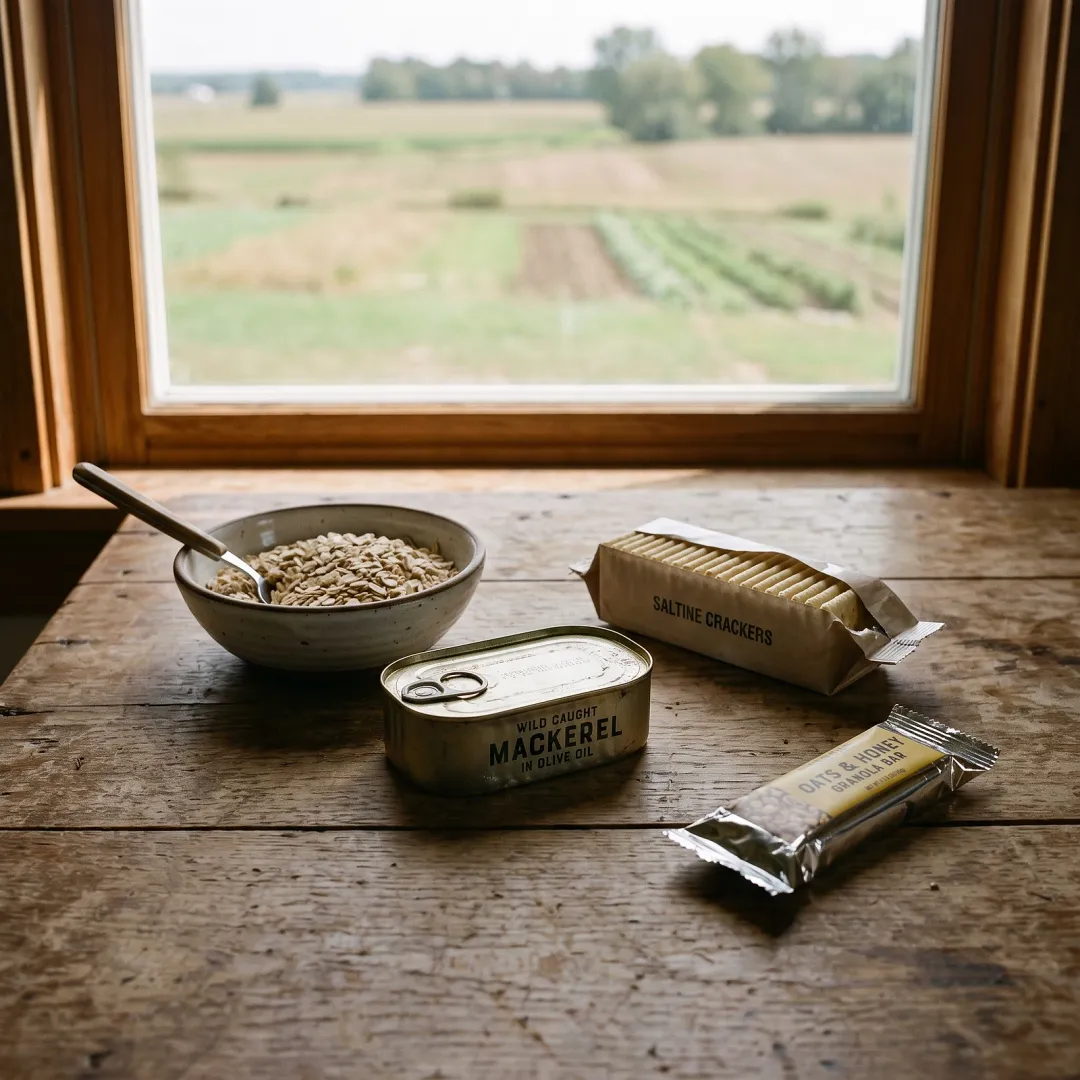

Somewhere between the field and your breakfast bowl, a chemical that was first patented as a pipe-cleaning agent ends up inside your body. Not in trace, theoretical amounts. In measurable amounts that researchers are finding in human urine, breast milk, and blood. And the agency that is supposed to protect you from that has been, for decades, doing the math in a way that consistently comes out in favor of the people selling the chemical.
So What Even Is Glyphosate
Glyphosate is the active ingredient in Roundup and hundreds of other herbicide products. It was first synthesized by a Monsanto chemist in the early 1970s. Before Monsanto repurposed it as a weed killer, the compound had already been patented as a chelating agent, meaning something that binds and strips minerals out of pipes. That detail matters, and I'll come back to it.
By the 1990s, Monsanto had engineered crops (corn, soy, canola, cotton, sugar beets) to survive direct glyphosate application. The pitch was simple: spray the whole field, kill everything green except the cash crop, and call it efficiency. Farmers adopted it fast. Today, glyphosate is the most widely used herbicide in the world, with hundreds of millions of pounds applied every year in the United States alone.
Here is where most of us stopped paying attention. We assumed that if it's on the field and not on our plate, it doesn't matter. That assumption is wrong. Glyphosate is used not just as a growing-season herbicide but as a pre-harvest desiccant on crops like oats and wheat, meaning it gets sprayed directly onto the grain right before harvest to speed up drying. That means the residue doesn't stay in a field somewhere. It rides the grain right into your cereal bowl.
Where It Actually Shows Up in Food
The Environmental Working Group has tested numerous oat-based products and found glyphosate residues in the overwhelming majority of them, including products marketed specifically to children. I want to be precise here: the EWG is an advocacy organization, and I treat their data as a lead worth verifying, not gospel. But their findings line up with what independent researchers and the USDA's own pesticide residue data have shown over time.
Glyphosate residues have been detected in:
- Oats and oat-based cereals and snack bars
- Conventional wheat products (bread, crackers, pasta)
- Soy and soy-derived ingredients
- Corn and corn-based products
- Chickpeas and lentils (also commonly desiccated pre-harvest)
- Honey and some wines
The FDA has run its own residue testing programs but has had persistent gaps in testing for glyphosate specifically, something that drew criticism from its own scientists. A 2016 internal FDA document obtained through a FOIA request showed agency chemists finding glyphosate residues in numerous food samples, including products they had not expected to find them in.
Conventional animal proteins raised on glyphosate-treated grain feed can also carry residue through the food chain, which is one honest reason why sourcing matters. An oily fish like mackerel, caught wild from open water, sidesteps that particular exposure pathway entirely. It doesn't eat corn. It doesn't eat soy. It eats smaller fish and plankton, and that is a supply chain that Monsanto never got its hands on.
What Research Actually Links Glyphosate To
This is where I have to be careful and specific, because there is genuine scientific debate here and I am not going to overstate things. So let me tell you what the peer-reviewed science and court records actually show, and you can decide what it means for your family.
Cancer. The International Agency for Research on Cancer (IARC), the cancer research arm of the World Health Organization, classified glyphosate as a Group 2A probable human carcinogen in 2015, based on evidence in humans (primarily non-Hodgkin lymphoma in agricultural workers) and sufficient evidence in animal studies. Bayer (which acquired Monsanto in 2018) has paid out over $10 billion to settle tens of thousands of cancer lawsuits while maintaining that its products are safe. Those two facts can coexist, and I think it's worth sitting with that.
Liver and kidney stress. Research published in scientific literature has raised concerns about glyphosate's effects on liver function. A 2017 study in Scientific Reports found that rats fed an ultra-low dose of Roundup over two years showed signs of non-alcoholic fatty liver disease. The researchers described the effects as appearing at levels far below regulatory limits. That finding is contested by industry-aligned researchers, but it has not been retracted.
Endocrine disruption. Because glyphosate was originally designed to chelate (bind) minerals, some researchers have proposed that it may interfere with mineral-dependent biological processes inside the body, including those involving enzymes that rely on manganese, zinc, and iron. Research summarized by U.S. Right to Know points to studies linking glyphosate exposure to disruption of hormonal signaling pathways. This area of research is active and not fully resolved, but the mechanism is biologically plausible given what the compound actually does chemically.
Gut microbiome disruption. Glyphosate was separately patented as an antimicrobial agent. A 2020 study in the Journal of Hazardous Materials found that glyphosate and its main metabolite AMPA showed antimicrobial activity against human gut bacteria at environmentally relevant concentrations. The research suggests glyphosate may be selectively toxic to certain beneficial bacteria while leaving more resistant strains intact. The gut microbiome implications of that are, to put it plainly, not nothing.
Neurotoxicity. Emerging research is examining possible links between glyphosate exposure and neurological effects. This is an area where the science is earlier and less settled, but given what we are learning about the gut-brain axis, the microbiome angle and the neurotoxicity angle are not entirely separate conversations.
None of this means glyphosate causes any specific disease in any specific person at any specific dose. That is not how environmental exposure science works, and I am not going to tell you otherwise. What I will say is that the weight of independent research raises questions that the regulatory system has not adequately answered.
What the Agencies Were Supposed to Do (And Didn't)
The EPA sets what it calls a "tolerance" for glyphosate residues on food crops. The current tolerances are high, and they have been raised multiple times since Roundup-Ready crops became widespread. The EPA's most recent glyphosate interim registration review concluded that glyphosate is "not likely to be carcinogenic to humans" at doses relevant to dietary exposure. That conclusion directly contradicts the IARC's classification.
How do you get two that different answers from two scientific bodies looking at the same compound? Part of the answer is that they were asking slightly different questions. IARC looked at hazard (can this cause cancer?) and the EPA looked at risk (does typical dietary exposure cause cancer at current levels?). But another part of the answer, documented through internal emails obtained in litigation, is that Monsanto had extensive contact with EPA officials and in some cases was involved in shaping the studies and review processes that informed regulatory conclusions. Those emails were introduced as evidence in the cancer trials and reported on by Reuters and other outlets.
U.S. Right to Know, which has filed numerous FOIA lawsuits to obtain agency documents, has documented this regulatory relationship in detail. I'd encourage you to go read what they've pulled. Primary sources are more clarifying than anything I can summarize.
The short version: the system that was built to protect you from chemical exposures was, for decades, run in close cooperation with the company that had the most to lose from an honest answer.
What You Can Actually Do Right Now
I am not going to tell you that eating perfectly clean will undo whatever exposure you've already had. I don't know that, and neither does anyone else with certainty. What I can tell you is that reducing ongoing exposure is reasonable, actionable, and does not require you to become a hermit or spend $800 a week at Whole Foods.
Buy organic on the highest-risk items. Oats are probably the single most important swap you can make. Conventional oats are heavily desiccated with glyphosate. Organic certification prohibits synthetic pesticide use, so certified organic oats are a meaningful reduction in exposure. Same goes for wheat products if you eat them, and soy products.
Read labels on what you think is healthy. Granola bars, crackers, plant-based protein powders, oat milk. A lot of the stuff marketed as "health food" is built on conventional grain that went through a glyphosate pre-harvest application. The word "natural" on a label tells you absolutely nothing about pesticide residue.
Rethink your grain-fed animal proteins. Conventional chicken and farmed tilapia are raised almost entirely on glyphosate-treated corn and soy. Wild-caught oily fish like mackerel, sardines, and anchovies skip that entire exposure chain. Mackerel in particular is one of the most nutrient-dense, omega-3-rich proteins you can put on the table, and it costs a fraction of what salmon does. Wild-caught, canned in water or olive oil, and you've got a protein source that was never anywhere near a grain field. That matters.
Grow what you can. Even a container herb garden means something you're eating wasn't sprayed. Small, but real.
Filter your water. Glyphosate and its metabolite AMPA have been detected in surface water and groundwater in agricultural regions. A 2014 USGS study found glyphosate in a majority of water and air samples from Mississippi River basin states during the growing season. A solid carbon block or reverse osmosis filter is worth considering.
Support transparency, not just labeling. Glyphosate testing is not required on food labels. The only way that changes is if enough people demand it through the people they elect and the companies they buy from. The MAHA conversation happening right now is the first time in a long time that this has had any political traction at all. That matters. Pay attention to it.
The Faith Piece
I think about this from a pretty simple place. We were given bodies to steward. We were given a creation that provides real food, grown in soil, raised on land, pulled from water. The further we get from that, the more we hand the steering wheel to companies whose primary obligation is to their shareholders, not to your children's long-term health.
That is not conspiracy thinking. That is just reading the incentive structure correctly.
When I look at what is in a conventional bowl of oatmeal, a food that generations of Americans have been told is the gold standard of healthy breakfast, and I find the fingerprints of a weed killer that was simultaneously patented as a pipe descaler and an antibiotic, it is hard for me to call that the food we were designed to eat. It doesn't sit right. And I have learned to trust that feeling enough to act on it.
You don't have to make every change at once. Start with one. Make it the oats.
Key Takeaways
- Glyphosate is not just a field chemical. It is used as a pre-harvest desiccant directly on oats, wheat, and legumes, which means residues travel straight into processed food products.
- The IARC classified glyphosate as a probable human carcinogen in 2015. Bayer has settled over $10 billion in cancer lawsuits linked to Roundup while maintaining the product is safe.
- Independent research has raised concerns linking glyphosate exposure to liver stress, gut microbiome disruption, endocrine interference, and emerging neurotoxicity signals. These findings are contested by industry-aligned science.
- The EPA's glyphosate risk assessment directly contradicts the IARC's cancer classification. Internal emails introduced in litigation documented close contact between Monsanto and EPA officials involved in that review.
- Practical exposure reduction: prioritize organic oats and wheat, choose wild-caught oily fish (mackerel, sardines, anchovies) over grain-fed conventional proteins, filter your water, and scrutinize "health food" labels.
- This article is for general informational purposes only and is not medical advice. Always consult a qualified healthcare professional before making changes to your diet or health routine.
Frequently Asked Questions
Is glyphosate actually in my food?
Yes, glyphosate residues have been detected in a wide range of conventional foods, most notably oats, wheat products, soy, corn, lentils, and chickpeas. This is partly because glyphosate is used as a pre-harvest desiccant, meaning it is sprayed directly on crops like oats right before harvest to speed up drying, allowing residues to remain on the grain that ends up in your cereal or granola bar. The USDA and FDA have both detected residues through pesticide monitoring programs, and independent testing by researchers and advocacy groups has found glyphosate in many products marketed as healthy.
Does glyphosate cause cancer?
The International Agency for Research on Cancer (IARC), the cancer-research arm of the World Health Organization, classified glyphosate as a Group 2A probable human carcinogen in 2015, based primarily on evidence linking occupational exposure to non-Hodgkin lymphoma. The U.S. EPA reached a different conclusion, stating glyphosate is not likely to be carcinogenic to humans at dietary exposure levels. This disagreement between major scientific bodies reflects genuinely contested science, not a simple answer. Bayer has settled more than $10 billion in cancer lawsuits related to Roundup. This article is general information, not medical advice. If you have specific health concerns, talk to a qualified healthcare professional.
How do I reduce glyphosate exposure from food?
The most impactful practical steps are: (1) Switch to certified organic oats, which prohibit synthetic pesticide use. Oats are consistently among the highest-residue items in testing. (2) Choose organic or minimally processed wheat and soy products when possible. (3) Opt for wild-caught oily fish like mackerel, sardines, or anchovies as protein sources. These are caught from open water and were never raised on glyphosate-treated grain feed. (4) Consider a solid carbon block or reverse osmosis water filter, since glyphosate has been detected in surface and groundwater in agricultural areas. (5) Read labels on products marketed as healthy, including plant-based protein powders, granola bars, and oat milk, as many are built on conventional glyphosate-treated grain.
Why does the EPA say glyphosate is safe when the WHO says it's a probable carcinogen?
The two agencies were asking slightly different questions. IARC evaluated hazard: can this substance cause cancer under any conditions of exposure? The EPA evaluated risk: does dietary exposure at current regulatory limits cause cancer? However, internal emails introduced as evidence in Roundup cancer litigation and reported by Reuters documented close contact between Monsanto and EPA officials involved in the review process, raising questions about how independent the EPA's analysis truly was. U.S. Right to Know, a nonprofit investigative group, has obtained agency documents through FOIA requests that illuminate this relationship in detail. The disagreement is not simply a matter of scientific methodology.
Sources
- U.S. Right to Know: Glyphosate: Cancer, liver disease, endocrine disruption and other health concerns
- IARC / WHO: IARC Monographs Volume 112: evaluation of five organophosphate insecticides and herbicides (glyphosate classified Group 2A)
- Nature / Scientific Reports: Multiomics reveal non-alcoholic fatty liver disease in rats following chronic exposure to an ultra-low dose of Roundup herbicide
- Journal of Hazardous Materials: Glyphosate and AMPA inhibit cancer-associated genes and the gut microbiota at environmentally relevant concentrations
- U.S. EPA: Glyphosate: Interim Registration Review Decision
- Reuters: EPA official urged agency to reject cancer study on Monsanto's Roundup
- USGS / ACS Environmental Science & Technology: Glyphosate and AMPA in drainage and precipitation: occurrence and fate in a mixed-use agricultural watershed
This article is for general informational purposes only and is not medical advice. Always consult a qualified healthcare professional before making changes to your diet or health routine.


Join the conversation
What do you think?
Free members can comment, reply and like. It takes ten seconds.