

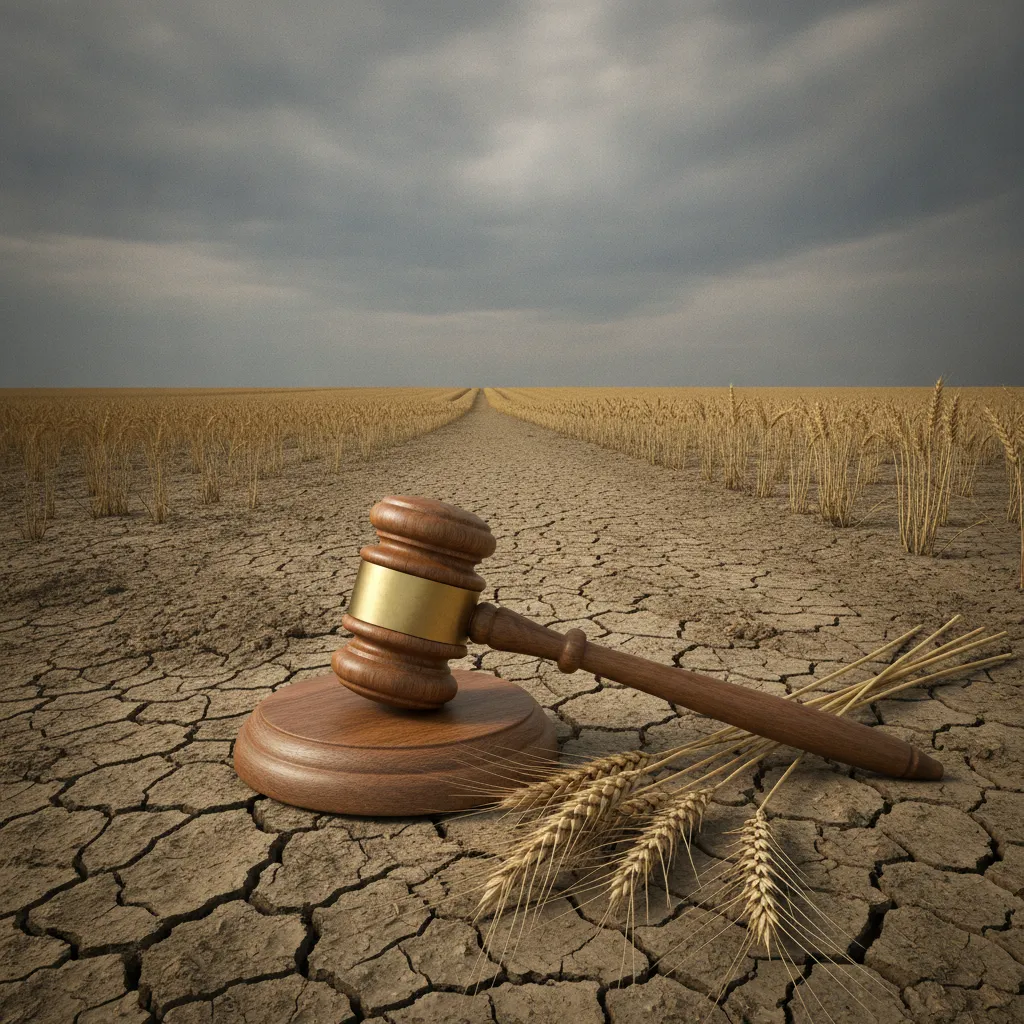

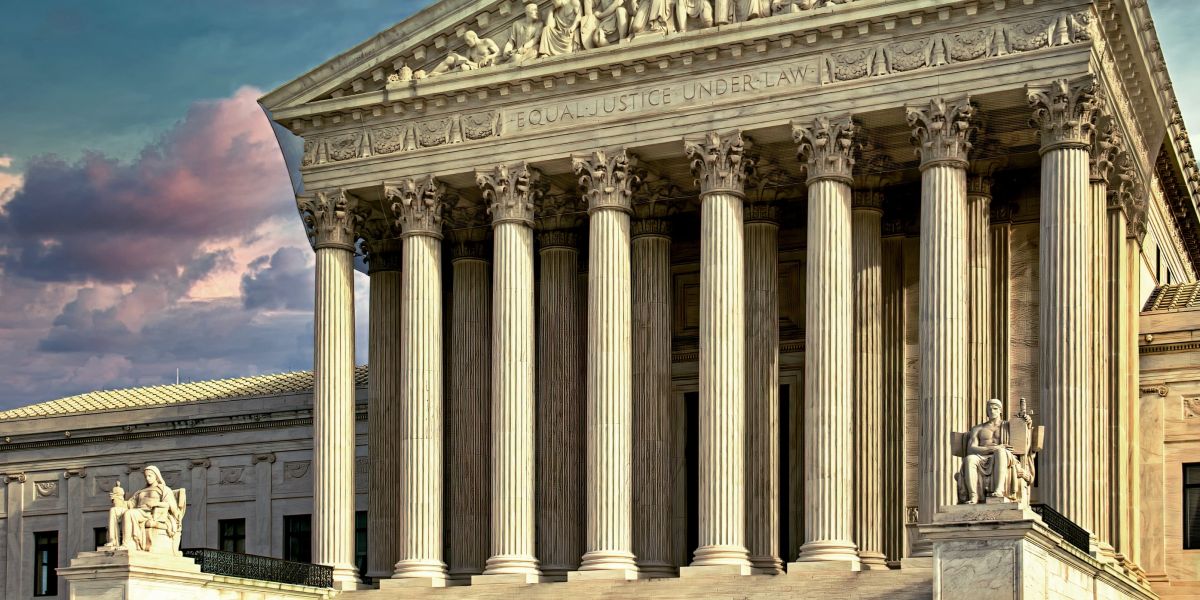
A recent decision did not get nearly the attention it deserved. The Supreme Court just made it harder for regular people to sue over harm from pesticides, and the company that benefits most happens to make the weedkiller sprayed across a huge share of our food supply. When a ruling protects a chemical giant instead of the people eating the food, it is fair to ask who the system is actually built for.
What actually happened
According to the Environmental Working Group, the Court sided with Bayer and limited Americans' ability to sue over pesticide harms [Environmental Working Group]. Bayer is the company that bought Monsanto in 2018, and with it inherited Roundup, the glyphosate-based weedkiller, along with tens of thousands of cancer lawsuits and roughly ten billion dollars or more in settlement costs. Narrowing the right to sue takes away one of the few ways ordinary people have held that industry accountable.
Why glyphosate keeps ending up in court
Glyphosate is the most widely used herbicide in the world. It is sprayed on genetically modified crops and, in some cases, used to dry out grains right before harvest. In 2015 the World Health Organization's cancer research agency classified it as probably carcinogenic to humans, and researchers have linked it to cancer, liver and kidney concerns, and endocrine disruption [U.S. Right to Know]. Regulators like the EPA have maintained it is safe at approved levels, though that assessment has itself been challenged in court. That gap between official reassurance and what juries and independent scientists keep finding is the whole ballgame.
The real-food takeaway
You cannot control a Supreme Court, but you absolutely control your plate. Buying organic for the crops that get sprayed the most, choosing whole foods over ultra-processed ones, and supporting regenerative and local farms all lower your exposure. And staying informed and vocal is exactly how labeling and transparency laws get passed. Real change tends to start at the dinner table.
Key Takeaways
- The Supreme Court limited Americans' ability to sue over pesticide harms, a significant win for Bayer, which owns Monsanto and Roundup.
- Glyphosate, the active ingredient in Roundup, was classified as probably carcinogenic by the WHO's cancer agency in 2015 and has faced tens of thousands of lawsuits.
- Regulators and juries have long disagreed about its safety, and this ruling narrows one path to accountability.
- You can lower your own exposure by choosing organic for high-spray crops, eating whole foods, and supporting regenerative farms.
Sources
 Stacy Malkan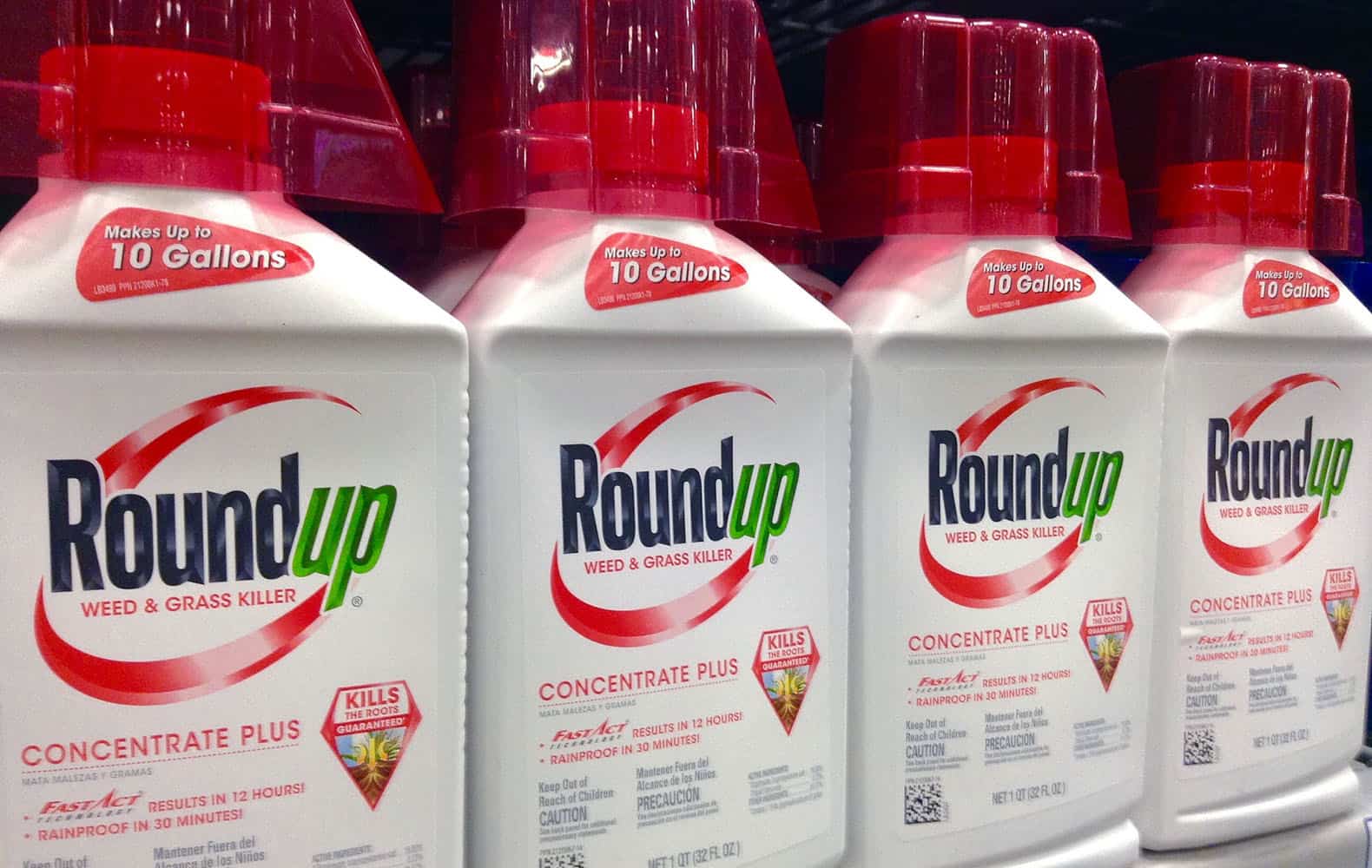
Sources
- US EPA: Glyphosate
- IARC Monograph on Glyphosate (WHO)
- Glyphosate toxicity and carcinogenicity: the EU assessment and its differences with IARC
This article is for general informational purposes only and is not medical advice. Always consult a qualified healthcare professional before making changes to your diet or health routine.



Join the conversation
What do you think?
Free members can comment, reply and like. It takes ten seconds.