

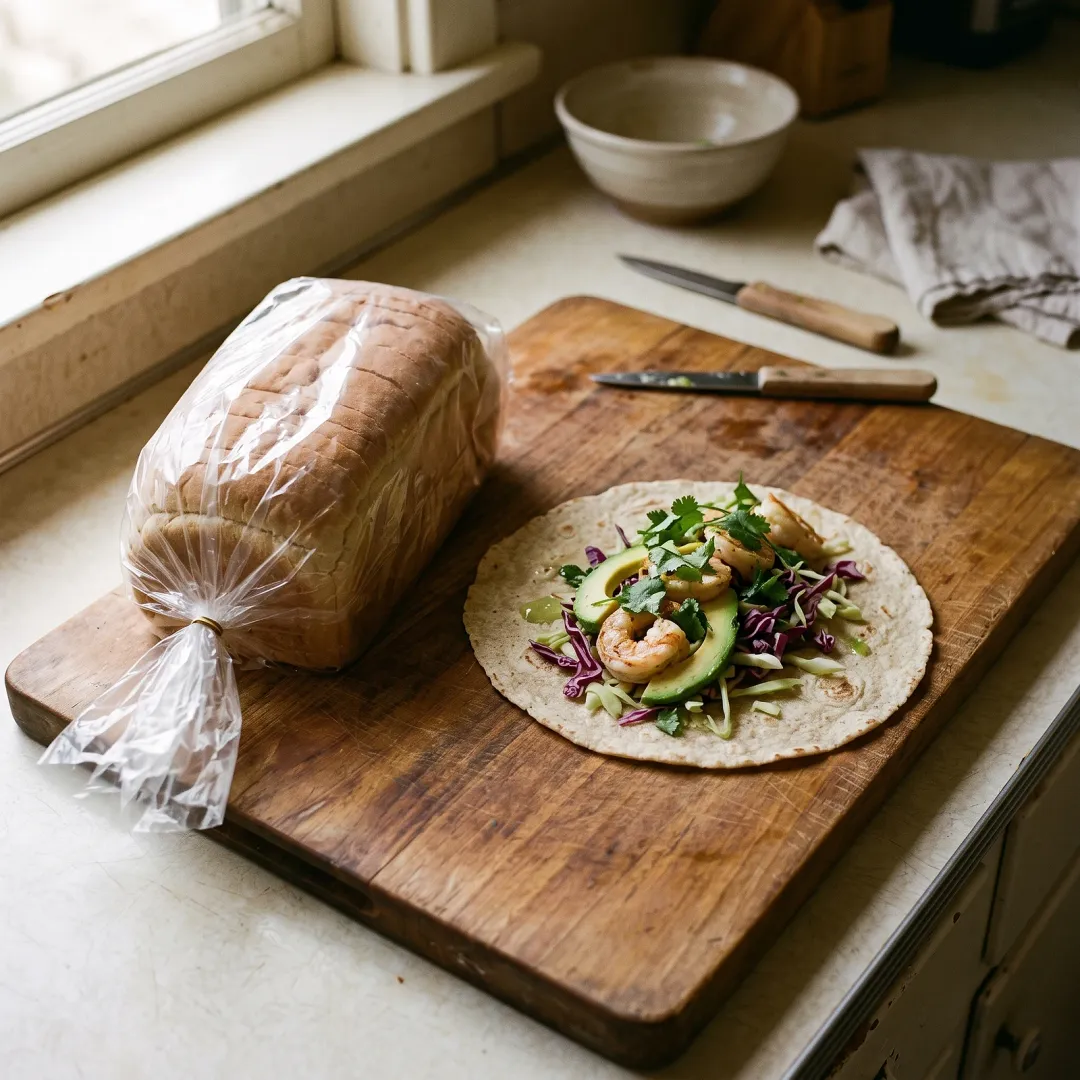

That loaf of 'whole wheat' sandwich bread sitting in your pantry has a halo it hasn't earned. The packaging says wholesome. The ingredient list says something else entirely.
What You're Actually Reaching For
Most conventional sandwich bread, even the kind with 'whole grain' stamped across the front, is a processed product first and a food second. Pick up a standard supermarket loaf and you will likely find added sugars (sometimes listed two or three times under different names), soybean or canola oil, dough conditioners like azodicarbonamide, and a lineup of preservatives to keep that loaf shelf-stable for two weeks.
The FDA has flagged azodicarbonamide as a dough conditioner that is permitted in the U.S. but banned as a food additive in Europe and Australia, where it is considered a respiratory sensitizer. That is not a footnote. That is the bread most American families are eating for lunch every day.
And the 'whole wheat' claim? The FDA allows that label even when refined white flour is the primary ingredient, as long as some whole wheat flour is present. So the halo is partly marketing. This is a classic brand-trap: a product positioned as the responsible, healthy choice that is actually a vehicle for seed oils, hidden sugars, and additives that would not exist in food made from scratch.
What to Use Instead
The swap is simpler than you think, and you have real options depending on what you are building.
For sandwiches and wraps: Cassava flour tortillas are the closest 1-to-1 swap for a sandwich wrap. They fold without cracking, hold fillings the way a flour tortilla does, and have a neutral enough flavor that they disappear behind whatever you pile in them. Shrimp, avocado, a little slaw and lime? A cassava wrap handles that beautifully. Siete makes them widely available now, and the ingredient list is actually readable.
For sliceable bread: Almond flour bread and coconut flour bread have both come a long way. They are denser than a commercial sandwich loaf, but they toast well and hold up to toppings. Look for loaves made with eggs, nut flours, and tapioca or arrowroot as a binder. The shorter the ingredient list, the better the product, almost without exception.
For open-face situations: Big leaves of butter lettuce or romaine do the job when you are doing a lighter lunch. This is not glamorous, but it works and costs basically nothing.
Homemade: Grain-free bread baked at home from almond or cassava flour gives you complete control over what goes in. It does take about an hour start to finish, but a loaf baked Sunday carries you through most of the week.
What Honestly Changes
Let's be real about this, because a swap column that pretends everything is equally easy is an ad, not a resource.
Texture: Grain-free bread is denser. It does not have the same springy, airy pull of a commercial loaf. If you are using it for a sandwich, toasting it first makes a real difference. Cold and untoasted, it can feel a little heavy.
Cost: Yes, grain-free bread and cassava wraps cost more than a $3 supermarket loaf. A package of cassava tortillas runs $6 to $9 depending on where you shop. Almond flour bread, bought ready-made, can hit $10 to $12 a loaf. If budget is a real constraint, homemade is the answer, not skipping the swap entirely. Almond flour bought in bulk drops the per-loaf cost significantly.
Shelf life: Grain-free bread goes stale or molds faster because there are no synthetic preservatives keeping it alive on your counter. Slice and freeze what you will not eat in two or three days. This takes about 30 seconds of forethought and it is not a big deal once you build the habit.
Flavor: Cassava wraps are genuinely neutral. Almond flour bread has a mild, slightly nutty flavor that most people stop noticing after a week. Coconut flour bread has a faint sweetness that some people love and some people find distracting. Try almond flour first if you are not sure.
When the swap is NOT worth it: If you are feeding a table of people who are not on board, or if you are in a season of life where keeping things simple is survival, a cleaner conventional bread (sprouted grain, short ingredient list, no seed oils) is a reasonable middle ground. Ezekiel bread is not grain-free, but it is a dramatically better conventional option if grain-free feels like too much right now. Progress over perfection, every time.
How to Make the Switch Stick
The people who make this swap stick are the ones who stop trying to replicate sandwich bread exactly and start thinking about grain-free options as their own category.
Stock cassava wraps in your fridge the same way you used to stock a bread loaf. Keep sliced grain-free bread in the freezer so it is always there. For lunches, build your muscle memory around wraps and lettuce cups first, then experiment with baked loaves when you have more bandwidth.
And give yourself about two weeks. The first few days of a texture shift can feel a little off. By week two, the old bread usually starts to taste like what it is: soft, sweet, and kind of empty.
This article is for general informational purposes only and is not medical advice. Always consult a qualified healthcare professional before making changes to your diet or health routine.
Key Takeaways
- Most 'whole wheat' sandwich bread contains seed oils, hidden sugars, and additives like azodicarbonamide that are banned as food additives in other countries.
- Cassava flour tortillas are the closest grain-free 1-to-1 swap for sandwich wraps, with a neutral flavor and flexible texture.
- Grain-free bread is denser and more expensive than conventional bread. Toasting it and buying nut flour in bulk both help.
- Freeze what you won't eat in two or three days since grain-free bread has no synthetic preservatives.
- If grain-free feels like too much right now, a sprouted-grain bread with a short ingredient list is a meaningful step in the right direction.
Frequently Asked Questions
Is grain-free bread actually healthier than whole wheat bread?
For many people, yes, particularly those avoiding gluten, managing blood sugar, or cutting seed oils and additives from their diet. Grain-free breads made from almond or cassava flour typically have shorter ingredient lists with no synthetic dough conditioners or refined oils. That said, 'grain-free' is not automatically a health claim: check the ingredient list of any packaged grain-free product the same way you would any other. A grain-free bread full of tapioca starch and canola oil is not a meaningful upgrade.
What is the best grain-free swap for sandwich bread?
It depends on what you are making. Cassava flour tortillas are the most versatile swap for sandwiches and wraps: they fold, they are neutral in flavor, and they hold fillings well. For something sliceable, almond flour bread toasts well and works for open-face situations. Lettuce wraps are the simplest and cheapest option for lighter meals.
Why does grain-free bread go bad faster?
Conventional sandwich bread stays shelf-stable for weeks because it contains synthetic preservatives. Grain-free breads made from nut flours and eggs have no such additives, so they mold or go stale much more quickly, usually within two to three days at room temperature. Slicing and freezing what you will not eat immediately solves this completely.
Is cassava flour paleo?
Cassava flour is generally considered paleo-friendly because it comes from a whole root vegetable and contains no grains, gluten, or legumes. It is higher in carbohydrates than almond or coconut flour, so how it fits your specific goals depends on where you are in your real-food journey. For most people eating a paleo template, cassava flour in a wrap or occasional baked good is a completely reasonable inclusion.
Sources
- U.S. Food and Drug Administration: Azodicarbonamide (ADA)
- Food for Life: Ezekiel 4:9 Sprouted Whole Grain Bread
- U.S. Food and Drug Administration: Guidance for Industry: A Food Labeling Guide, Whole Grain Label Statements
This article is for general informational purposes only and is not medical advice. Always consult a qualified healthcare professional before making changes to your diet or health routine.


Join the conversation
What do you think?
Free members can comment, reply and like. It takes ten seconds.