

On this page
Phytonutrients, found in plant-based foods, are powerful compounds that support our health in countless ways. From protecting cells to boosting immunity, each color in the spectrum of fruits and vegetables contributes unique health benefits. Incorporating a variety of these colorful foods into your diet can help prevent chronic diseases and promote overall wellness. Here’s a closer look at how each color benefits the body and tips to get more phytonutrients in your daily meals.
Understanding the Colors of Phytonutrients
Each color group in the phytonutrient spectrum is packed with unique compounds that support different aspects of health:
- Red Foods
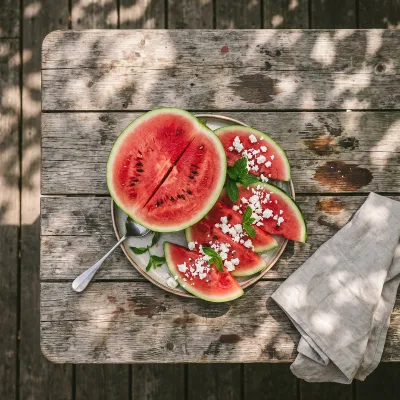
Examples: Apples, beets, cherries, pomegranates, strawberries, tomatoes, watermelon
Benefits: Red foods are rich in antioxidants that help protect cells, reduce inflammation, and support heart, liver, and hormone health. Compounds in red foods also contribute to gastrointestinal health and may reduce cancer risk. - Yellow Foods
Examples: Lemons, bananas, bell peppers, pineapples, ginger root, starfruit
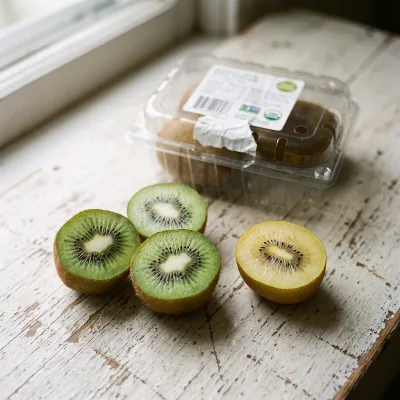
Benefits: Yellow foods promote eye health, improve skin, and protect heart and vascular health. These foods contain antioxidants that support cognition and reduce the risk of cancer and inflammation. - Green Foods
Examples: Broccoli, spinach, kale, avocado, green beans, limes
Benefits: Green foods are essential for hormone balance, liver function, and heart health. The chlorophyll in green vegetables aids in detoxification and supports cellular protection. - Blue/Purple/Black Foods
Examples: Blueberries, blackberries, purple grapes, eggplant, figs, black rice
Benefits: Blue and purple foods promote cognitive health, liver support, and immune function. Their powerful antioxidants may also help combat cancer and inflammation while supporting heart health. - White/Tan/Brown Foods
Examples: Cauliflower, garlic, onions, mushrooms, nuts (almonds, cashews, walnuts)
Benefits: These foods contain anti-bacterial and immune-boosting compounds, support gastrointestinal health, and enhance hormone balance. They also provide nutrients that support reproductive health and vitamin A for eye health. - Orange Foods
Examples: Carrots, mangoes, pumpkin, sweet potatoes, turmeric root
Benefits: Rich in beta-carotene, orange foods support immune health, skin health, and reproductive health. They also contribute to reducing mortality and protecting cells from damage.
6 Steps to Increasing Phytonutrient Intake
To maximize the health benefits of phytonutrients, aim to eat a variety of colors daily. Here are practical steps to incorporate more phytonutrients into your diet:
1. Aim for 9-13 Servings of Plant Foods Every Day
To support disease prevention and optimal health, aim for at least 9-13 servings of plant foods each day. A serving is typically one cup of raw leafy greens or half a cup of other vegetables or fruits. By aiming for about 3-4 servings per meal, you’ll easily meet your daily phytonutrient needs.
2. Know Your Phytonutrient Sources
Phytonutrients aren’t limited to fruits and vegetables. They’re also found in whole grains, legumes, nuts, seeds, herbs, and spices. Expanding your understanding of phytonutrient-rich foods will make it easier to add them to your meals and try new varieties.
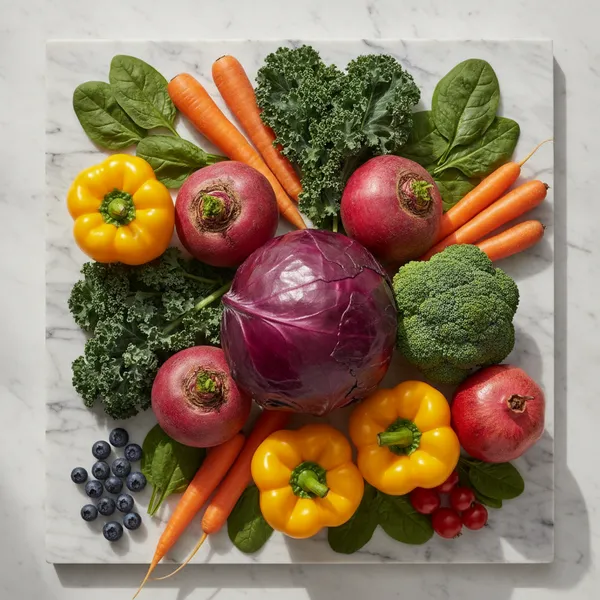
3. Eat the Rainbow of Colors
Instead of sticking to a routine of brown and beige foods, incorporate all the colors in the phytonutrient spectrum. For example, a fruit smoothie with blueberries, mango, and spinach adds three colors to your day, while adding colorful veggies to a salad creates a vibrant, nutrient-rich meal.
4. Vary Your Choices
By eating a wide variety of plant foods, you’re more likely to access the full range of phytonutrients available. Try a new fruit, vegetable, or grain each week to expand your palate and avoid nutritional monotony.
5. Maximize Combinations
Some phytonutrients work better when combined with others. For instance, pairing turmeric with black pepper enhances its anti-inflammatory effects. Adding lemon juice to spinach can increase iron absorption. Experiment with combinations to get the most out of your meals.
6. Be Creative with Substitutions
Swap less nutrient-dense foods for more colorful and phytonutrient-rich options. Replace white rice with black or purple rice, or substitute mashed potatoes with sweet potatoes. These small changes can add a nutritional boost to everyday meals.
Conclusion
Incorporating a variety of phytonutrient-rich foods into your diet is an enjoyable and effective way to support long-term health. Eating the rainbow helps ensure you’re getting a diverse array of nutrients that promote immunity, heart health, and cellular protection. By following these steps, you can make phytonutrients a delicious and integral part of your daily life.
QUOTE
"Food is more than nutrition. We believe it’s essential to have optimal amounts of these nutrients and to be nourished through the power of yum, the joy of cooking and eating, and the courage to be creative."