


On this page
Protein is a fundamental component of human nutrition, essential for muscle development, tissue repair, hormone production, and overall vitality. Unlike fats and carbohydrates, proteins contain nitrogen and are built from amino acids, which play a key role in nearly every physiological function. This article explores the types of protein sources, the health benefits of protein, and the importance of daily intake.
Understanding Protein and Its Role in the Body
Proteins are made up of amino acids, often referred to as the “building blocks of life.” The body uses these amino acids for several critical functions:
- Muscle and Tissue Repair: Proteins aid in repairing and building muscle tissue, especially after physical activity or injury.
- Hormone and Enzyme Production: Amino acids are essential for synthesizing hormones and enzymes that regulate bodily functions.
- Cellular and Immune Health: Proteins contribute to cell structure, immune defense, and transporting nutrients throughout the body.
Our bodies cannot store amino acids, which means we need to consume protein regularly to maintain these functions. Protein requirements vary based on factors such as age, activity level, and overall health.
Types of Protein Sources
There are two main categories of proteins based on amino acid content:
- Complete Proteins
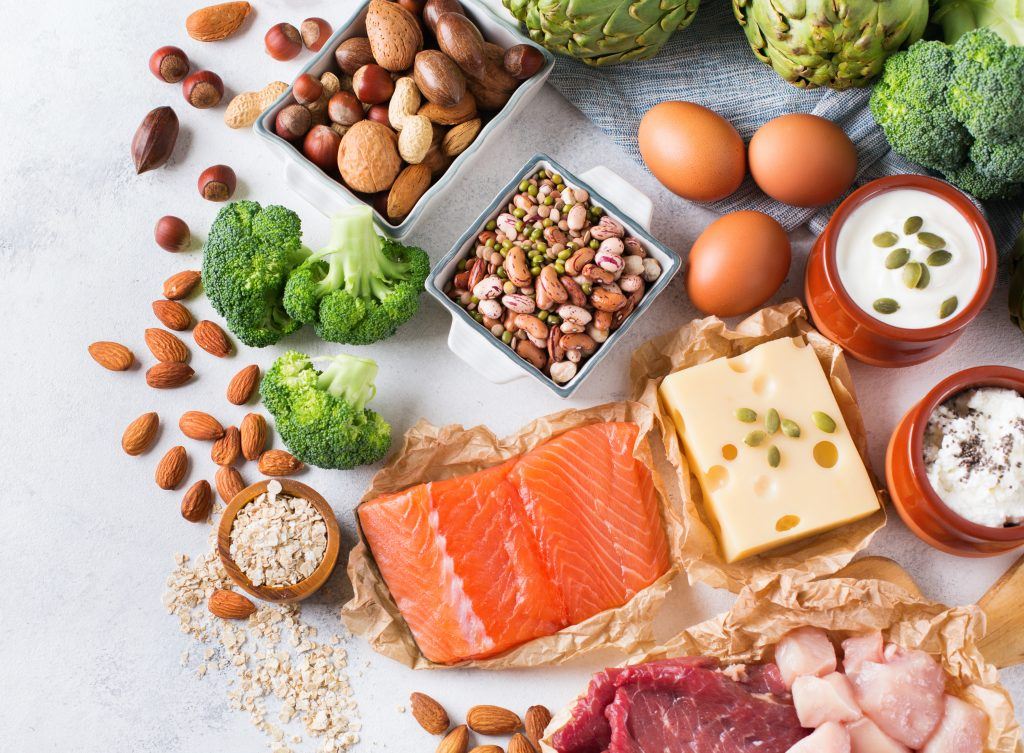
Complete proteins contain all nine essential amino acids that the body cannot produce on its own. These proteins are found in animal products and certain plant sources.- Animal-Based Sources: Meat, poultry, eggs, fish, and shellfish are rich in complete proteins, making them efficient sources for meeting protein needs.
- Certain Plant-Based Sources: While most plant proteins are incomplete, foods like soy (e.g., tofu and tempeh) and spirulina provide all essential amino acids.
- Incomplete Proteins
Incomplete proteins lack one or more essential amino acids. They are typically found in plant sources and can be combined to form a complete protein profile.- Vegetables: High-protein vegetables like leafy greens, broccoli, and cauliflower add valuable amino acids, fiber, and vitamins.
- Legumes and Grains: While legumes (beans, lentils) and grains (rice, quinoa) are incomplete on their own, combining them can create a complete protein.
Tip: For those following plant-based diets, mixing various sources of incomplete proteins, like beans and rice, can provide a full range of amino acids.
The Benefits of Protein for Health and Wellness
Protein offers a range of health benefits, from supporting physical strength to bolstering immune health. Here’s a closer look at how protein impacts different areas of health:
- Muscle Development and Maintenance
Protein is crucial for muscle growth, especially when paired with resistance training. Amino acids help repair muscle fibers, promote muscle recovery, and maintain lean body mass. Adequate protein intake is essential for athletes, active individuals, and aging adults to prevent muscle loss. - Bone Health
Protein provides structure to bones and connective tissues, helping to maintain bone density and reduce the risk of fractures, especially in older adults. Consuming sufficient protein from both animal and plant sources supports overall bone health. - Immune System Function
Proteins form antibodies, which help defend against infections and diseases. Consuming adequate protein ensures the immune system remains strong and capable of fighting off pathogens. - Weight Management and Satiety
Protein-rich foods help increase feelings of fullness, which can reduce overall calorie intake and support weight management. By slowing digestion, protein helps stabilize blood sugar levels, reducing hunger and preventing energy crashes.
Recommended Protein Intake
Protein needs vary depending on age, gender, and physical activity levels. The general dietary recommendation is 46 grams per day for women and 56 grams per day for men, but this is a baseline. Many experts suggest adjusting intake based on weight and goals:
- Standard Guidelines: The National Academy of Sciences recommends that protein should make up 10-35% of daily caloric intake.
- Individualized Recommendations: A general guideline is 8 grams of protein per 20 pounds of body weight. For instance, a 150-pound person would require around 60 grams of protein daily.
Risks of Excessive Protein Intake
While protein is essential, consuming too much can strain the kidneys, particularly in individuals with pre-existing kidney conditions. When the body breaks down excess protein, it produces urea, which must be filtered out by the kidneys. For most people, a moderate intake within the recommended range is safe, but consulting a healthcare professional is advised if there are concerns about kidney health.
Incorporating Protein into a Balanced Diet
The key to a balanced diet is variety. By choosing a range of protein sources, you can meet nutrient needs and enjoy a variety of flavors and textures. Here are some tips for incorporating protein into meals:
- Choose Lean Protein Sources
Opt for lean cuts of meat, poultry, and fish to minimize saturated fat intake. For plant-based eaters, focus on protein-rich foods like beans, lentils, tofu, and quinoa. - Include Protein at Each Meal
Eating protein throughout the day helps stabilize energy levels. Aim for a source of protein with each meal, whether it’s eggs at breakfast, grilled chicken at lunch, or legumes in dinner dishes. - Try Protein Powders
For those with increased protein needs, such as athletes or individuals with limited appetites, protein powders can offer a convenient boost. Options include whey, casein, soy, and pea protein. - Snack on Protein-Rich Foods
Nuts, seeds, yogurt, and hard-boiled eggs are excellent protein-rich snacks that keep you full between meals and prevent cravings.
Conclusion
Protein is an essential macronutrient that plays a vital role in every cell and function of the body. From muscle repair to immune support, protein provides the building blocks for health and vitality. By choosing a balanced mix of complete and incomplete protein sources, you can meet your body’s needs and enjoy the full range of health benefits that protein has to offer.
References
 admin
admin