

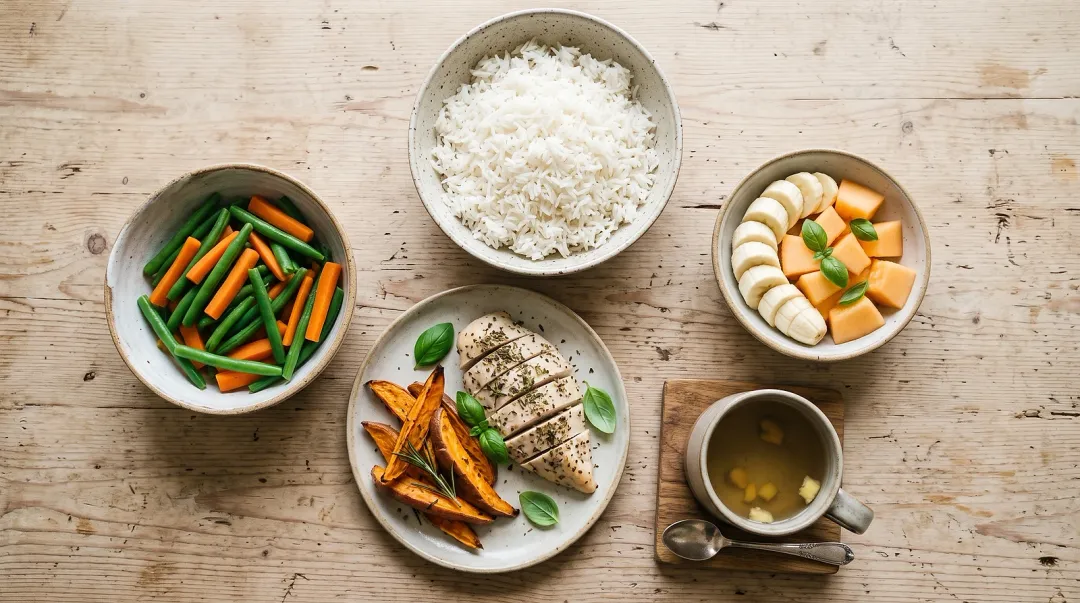

Almost everyone gets heartburn now and then. When it happens again and again, it starts to shape what you eat, when you eat and how well you sleep. The good news is that a handful of food and timing habits help many people with reflux, and you can still eat food with plenty of flavor. This guide explains what GERD is, which foods most often cause trouble, and how we mark gentler recipes.
What is acid reflux and GERD?
Gastroesophageal reflux, or GER, happens when stomach contents come back up into the esophagus, the tube that carries food from your mouth to your stomach. Occasional reflux is common. GERD, gastroesophageal reflux disease, is when reflux causes repeated symptoms that are bothersome or leads to complications over time.
It usually happens when the muscle at the bottom of the esophagus, the lower esophageal sphincter, is weak or relaxes when it should not. Risk factors include overweight or obesity, pregnancy, smoking or secondhand smoke, a hiatal hernia and some medications.
Key facts
- About 20 percent of people in the United States have GERD (NIDDK).
- Untreated GERD can lead to esophagitis, narrowing of the esophagus, Barrett's esophagus and problems such as asthma, chronic cough and worn tooth enamel (NIDDK).
- The NIDDK suggests eating meals at least 3 hours before lying down, and the American College of Gastroenterology suggests avoiding meals within 2 to 3 hours of bedtime.
- The ACG recommends weight loss for people with overweight or obesity, suggests raising the head of the bed for nighttime symptoms, and suggests avoiding personal trigger foods.
Symptoms and when to see a doctor
The classic symptom is heartburn, a burning feeling in the middle of the chest behind the breastbone, along with food or sour liquid coming back up into the throat or mouth. Some people have chest pain, nausea, trouble swallowing, a chronic cough or hoarseness instead.
See your doctor if symptoms do not improve with over-the-counter treatment and lifestyle changes. Get care promptly for chest pain, trouble swallowing, persistent vomiting, vomit that contains blood or looks like coffee grounds, black or tarry stools, loss of appetite or unexplained weight loss. Chest pain can also be a heart problem, so do not assume it is reflux.
How food relates to reflux
Some foods and drinks relax the lower esophageal sphincter or irritate an already sensitive esophagus. The NIDDK lists acidic foods such as citrus and tomatoes, alcohol, chocolate, coffee and other caffeine, high-fat foods, mint and spicy foods as common culprits. The ACG notes that carbonated drinks are also commonly avoided, and some people find onion, garlic or simply large meals make symptoms worse.
Triggers are personal, so the ACG frames it as avoiding your trigger foods. A symptom diary for two or three weeks often makes the pattern obvious. Timing helps as much as ingredients: smaller meals, finished well before bed, with the head of the bed raised if nighttime symptoms are a problem.
Foods to build on
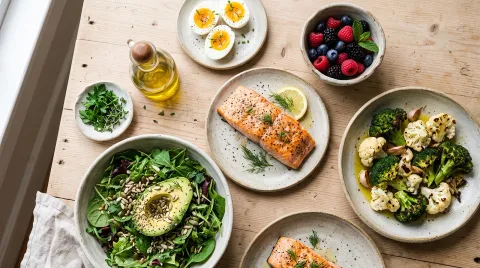
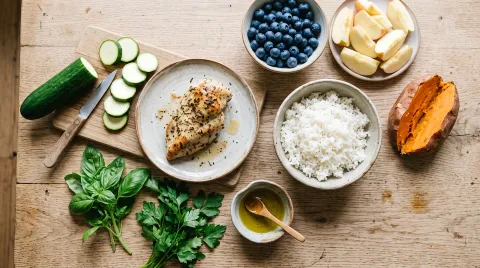
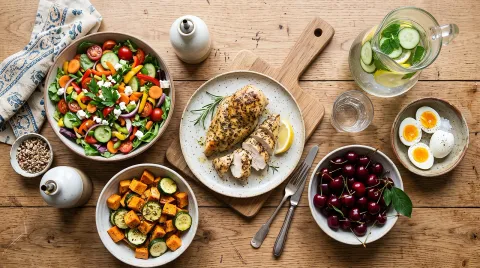
- Lean proteins: chicken, turkey, fish and eggs, baked, grilled or poached
- Non-citrus fruit such as melon, banana, pears and apples
- Most vegetables, especially green beans, broccoli, carrots, zucchini, asparagus and leafy greens
- Rice, oats, potatoes and sweet potatoes
- Gentle flavor from fresh herbs like basil, parsley, dill and chives, plus ginger
- Small amounts of olive oil and avocado
- Water and non-mint herbal teas
Common triggers to limit
- Tomatoes and tomato sauces
- Citrus fruits and juices: lemon, lime, orange and grapefruit
- Spicy foods: chili, cayenne, jalapeño, hot sauce and red pepper flakes
- Onion, garlic, shallots and leeks, for many people
- Chocolate, coffee, matcha, black and green tea, and other caffeine
- Mint and peppermint
- Alcohol and carbonated drinks, including kombucha
- Fried, greasy and high-fat foods, including bacon, sausage and cured meats
- Vinegar-heavy dressings and condiments
Label reading and eating out
- Check sauces and seasoning blends for tomato, garlic, onion, chili and citrus, which hide in marinades, dressings and spice rubs.
- At restaurants, choose grilled or baked over fried, ask for sauces on the side and skip the extra pepper.
- Eat smaller portions and stop a few bites before full. A big meal puts more pressure on the stomach.
- Plan dinner early so you have 2 to 3 hours before lying down.
How we label recipes on That Paleo Chick
A recipe earns our Reflux-Friendly label only when no ingredient line contains tomato, citrus, chili or other hot peppers, garlic, onion, shallot, leek, mint, chocolate, coffee, tea, alcohol, carbonated drinks, vinegar, black pepper, deep-fried foods or fatty cured meats. That is stricter than what everyone needs, which means these recipes are a safe place to start while you learn your own triggers.
FAQs
Is GERD the same as heartburn?
Heartburn is a symptom. GERD is the condition of having reflux symptoms often enough to be bothersome or to cause complications.
Do I have to give up garlic and onion forever?
Not necessarily. Triggers vary from person to person. Many people reintroduce them in small amounts once symptoms settle and keep the ones they tolerate.
Does sleeping position matter?
For nighttime symptoms, the ACG suggests raising the head of the bed. Avoiding meals within 2 to 3 hours of bedtime helps too.
Can losing weight help?
For people with overweight or obesity, yes. Both the NIDDK and the ACG recommend weight loss to reduce GERD symptoms.
This guide is for general education and is not medical advice. Please see your doctor about frequent heartburn, and get care right away for chest pain, trouble swallowing, vomiting blood or black stools.


Join the conversation
What do you think?
Free members can comment, reply and like. It takes ten seconds.