

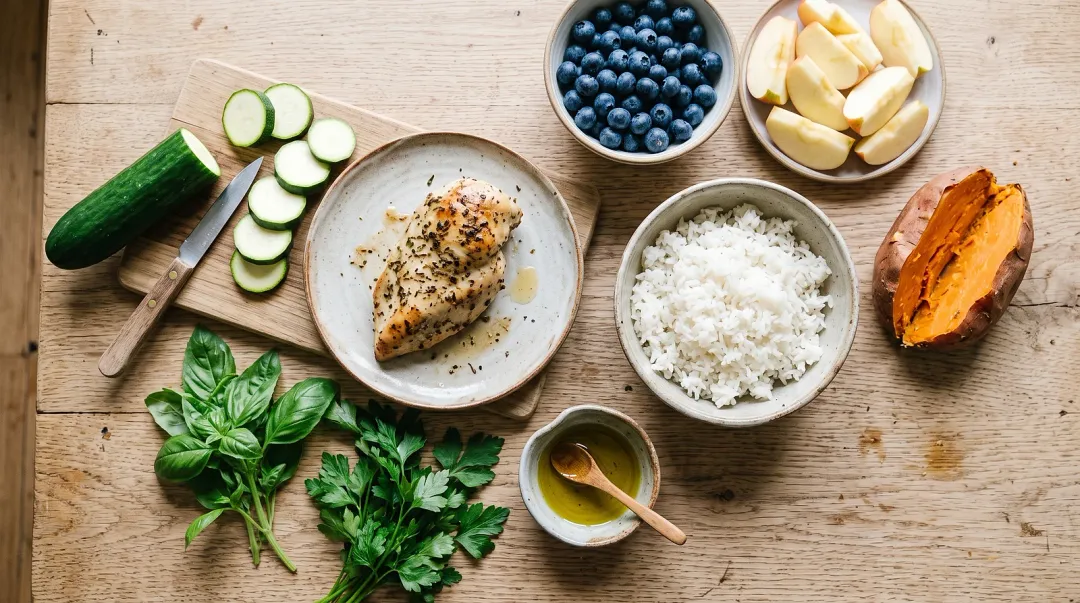

Histamine intolerance is a frustrating, often overlooked condition. Symptoms can bounce between the gut, the skin and the head, and the same food can seem fine one day and cause trouble the next. A short, well-run low-histamine diet is the main tool for figuring it out, and the freshest food in your kitchen is your best friend.
What is histamine intolerance?
Histamine is a natural compound your body uses in immune responses and digestion. It is also present in many foods, especially aged, fermented and stored ones. Normally an enzyme in the gut called diamine oxidase, or DAO, breaks dietary histamine down. Histamine intolerance is a disorder of reduced histamine breakdown in the intestine because DAO activity is impaired, so histamine from food can build up and cause allergy-like symptoms.
It is different from a food allergy. Allergy tests are usually normal, which is part of why it is hard to pin down.
Key facts
- Histamine intolerance is estimated to affect about 1% to 3% of the population (Comas-Basté and colleagues, 2020).
- In one study of 133 patients, 92% had abdominal bloating, and 97% had three or more symptoms across different body systems (same review).
- There is no single validated test. Diagnosis rests on symptoms, ruling out allergies and other conditions, and improvement on a low-histamine diet, typically over 4 to 8 weeks.
- Clinical studies report symptom improvement in 33% to 100% of patients on a low-histamine diet, with most above 50%, though the research has real limitations (2020 review; 2025 review).
- Once histamine has formed in a food, it cannot be removed by cooking (2025 review).
Symptoms and how it is diagnosed
Cleveland Clinic lists diarrhea, bloating, nausea or vomiting, headache, a stuffy or runny nose, shortness of breath, itching, rash or hives, flushing, low blood pressure, an irregular heartbeat, painful periods and swelling of the lips, tongue or throat. Swelling of the throat or trouble breathing needs emergency care.
Because the symptoms overlap with allergies, celiac disease, IBS and other conditions, start with your doctor. A food and symptom diary, allergy testing to rule out true allergies, and a supervised low-histamine trial are the usual path.
How food relates to histamine intolerance
Food matters in three ways. Some foods are high in histamine, usually because they are aged, fermented, cured or have been stored. Some fresh foods are thought to release the body's own histamine, such as citrus, strawberries, kiwi, pineapple and plums. And some drinks, notably alcohol and black or green tea, may interfere with DAO, the enzyme that breaks histamine down.
Freshness is the theme. Histamine builds up as food ages, especially fish, and cooking does not remove it. Cooking fresh, eating soon, and freezing leftovers right away rather than keeping them in the fridge for days are simple habits that help.
A 2025 review suggests a structured approach: about four weeks of restriction, then reintroducing small portions of higher-histamine foods, then larger ones, keeping whatever you tolerate. Staying restricted longer than necessary can lead to nutrient gaps, so the goal is the widest diet you feel well on.
Foods to build on
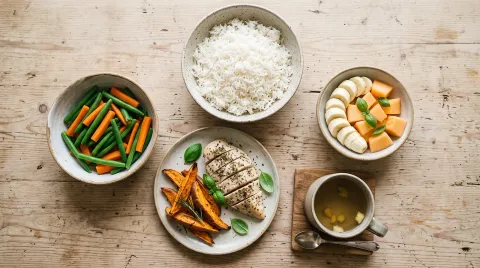
- Freshly cooked meat and poultry, eaten soon after cooking
- Very fresh or frozen-at-sea fish, cooked right away
- Most fresh vegetables, except tomato, spinach, eggplant and avocado
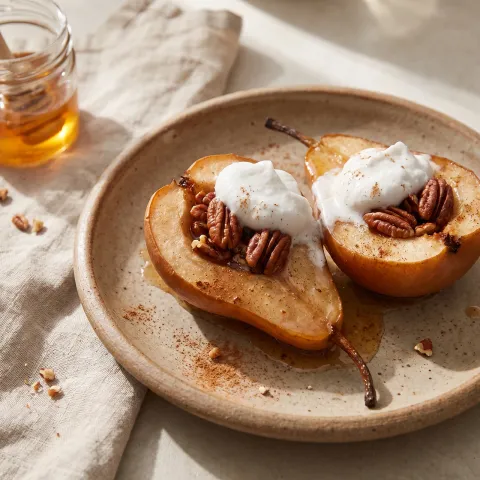
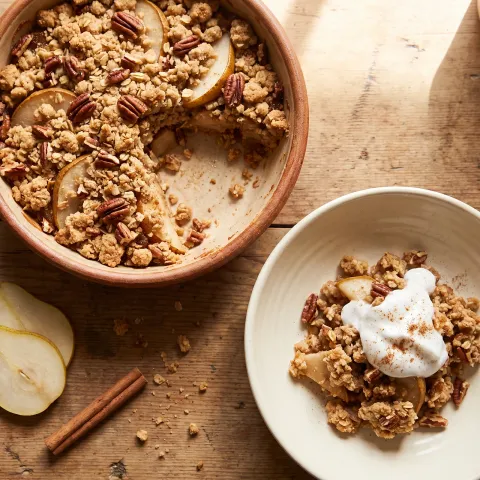
- Fresh fruits such as apples, pears, blueberries, mango and melon
- Rice, quinoa, potatoes and sweet potatoes
- Olive oil, avocado oil and coconut oil
- Fresh herbs
Foods to avoid during the trial
- Aged cheese and fermented dairy such as yogurt and kefir
- Cured, smoked and processed meats: bacon, ham, salami, sausage, jerky
- Canned, smoked or older fish and shellfish, including tuna, sardines, mackerel and anchovies
- Fermented foods: sauerkraut, kimchi, pickles, soy sauce, miso, kombucha and vinegar
- Long-simmered broths and stocks, and leftovers that have sat in the fridge
- Tomatoes, spinach, eggplant and avocado
- Citrus, strawberries, pineapple, banana, papaya and kiwi
- Chocolate and cacao, coffee, black and green tea, and alcohol
- Hot spices such as chili, cayenne and paprika
Label reading and eating out
- Look for vinegar, yeast extract, soy sauce and "aged" or "cured" on labels. Vinegar hides in dressings, mustard, ketchup and pickled foods.
- Additives, preservatives and colorants can also trigger symptoms for some people, so simple ingredient lists are easier.
- At restaurants, choose freshly grilled chicken or meat with plain vegetables and olive oil, and skip sauces, cheese, cured meats and fish dishes.
- At home, batch cook and freeze instead of eating the same leftovers for three days.
How we label recipes on That Paleo Chick
A recipe earns our Low-Histamine label only when no ingredient line contains an aged, fermented, cured or smoked food, vinegar, a broth or stock, leftover or rotisserie meat, common high-histamine fish or shellfish, tomato, spinach, eggplant, avocado, citrus, strawberries, other histamine-releasing fruit, chocolate, coffee, tea, alcohol, chili or paprika. Cook these recipes fresh and eat them soon for the best results.
Histamine tolerance is very individual, and food histamine levels vary with freshness and storage, so treat the label as a starting point for your own trial.
FAQs
Is histamine intolerance an allergy?
No. It is a problem with breaking down histamine, so allergy tests are usually normal even though the symptoms can look like an allergic reaction.
How long should I follow a low-histamine diet?
Typically about four weeks before reintroducing foods, with diagnosis usually based on improvement over 4 to 8 weeks. It is not meant to be permanent.
Do DAO supplements work?
Some people use them, but evidence is still developing. Ask your doctor whether a supplement makes sense for you.
Why does the same food bother me only sometimes?
Histamine levels in food change with freshness and storage, and your total histamine load from the day adds up. That is why fresh food and a symptom diary help so much.
This guide is for general education and is not medical advice. Please talk with your doctor or a registered dietitian before starting an elimination diet, and seek emergency care for throat swelling or trouble breathing.




Join the conversation
What do you think?
Free members can comment, reply and like. It takes ten seconds.