

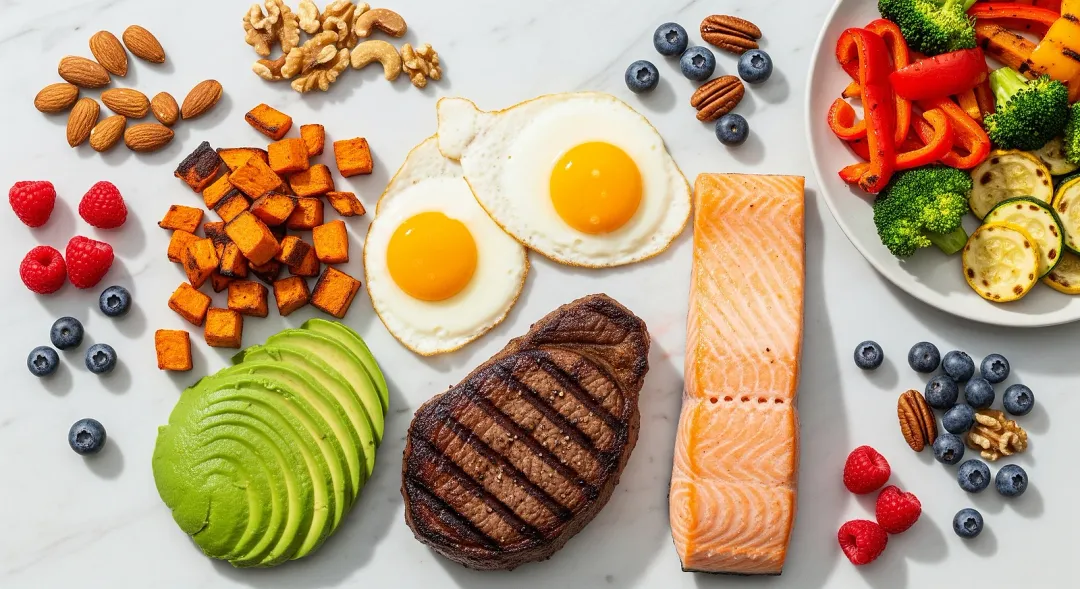

If you've spent any time around here, you already know: paleo is our name, our kitchen philosophy, and honestly, our love language. It's the way I eat, the way I cook for the people I love, and the reason That Paleo Chick exists in the first place. At its heart, paleo is refreshingly simple. Eat real, whole foods that come from the earth, the sea, and the pasture, and let the rest go.
People come to paleo for all kinds of reasons: more energy, steadier moods, easier weight management, or simply the desire to feel good in their own skin again. What keeps them here is how satisfying and sustainable it is once the pantry is stocked and the recipes are dialed in. This guide is your warm welcome to the whole thing: what paleo is, why it works so well, and how to make it your own.
What is the paleo diet?
The paleo diet is built on a beautifully clear idea: eat the kinds of foods humans thrived on for hundreds of thousands of years, before industrial food processing rewrote our plates. That means an abundance of quality meat, fish, and eggs; vegetables and fruit in every color; and nuts, seeds, and healthy fats. It's food you can picture growing, grazing, or swimming.
Just as importantly, paleo is about what you get to happily leave behind. You set down the ultra-processed, hyper-palatable stuff that was engineered to be overeaten, including the refined sugar, the industrial seed oils, the refined grains, and the packaged foods with ingredient lists that read like a chemistry set. As the Cleveland Clinic describes it, paleo "focuses on including single-ingredient foods" and clears out the processed ones. When you strip your plate back to whole ingredients, something wonderful happens: your food starts working for you instead of against you.
Why paleo works so well
Here's the mechanism, plain and simple. When you build meals from protein, healthy fats, fiber-rich vegetables, and whole-food carbohydrates, you get full and stay full. Protein is deeply satisfying. The Cleveland Clinic notes that high-protein foods "tend to be very filling," which makes it easy to eat well without white-knuckling through hunger. Swap the blood-sugar roller coaster of refined carbs for real food, and your energy steadies, your cravings quiet down, and portions take care of themselves. No calorie math required.
And the research is genuinely encouraging. A systematic review and meta-analysis of randomized controlled trials in The American Journal of Clinical Nutrition found that a paleolithic diet produced greater short-term improvements in the components of metabolic syndrome than guideline-based control diets, including smaller waist circumference and lower triglycerides. A two-week randomized controlled trial published in Lipids in Health and Disease went further, reporting that people eating a paleolithic-style diet saw meaningful drops in blood pressure and triglycerides and a rise in protective HDL cholesterol, with those benefits holding up even after accounting for weight change.
The picture gets even better across larger analyses. A meta-analysis in Advances in Nutrition found that a paleolithic diet significantly reduced body weight, waist circumference, BMI, body fat, blood pressure, total and LDL cholesterol, triglycerides, and the inflammation marker C-reactive protein, while raising HDL cholesterol. A separate meta-analysis of eleven studies in Nutrition Journal reported an average weight loss of roughly 3.5 kg alongside meaningful reductions in BMI and waist circumference. In short: the benefits people feel on paleo (easier weight management, steadier blood sugar and insulin sensitivity, better cardiovascular markers, and less inflammation) line up with what the studies are showing.
What you get to eat
Let's talk about the best part, because paleo is a diet of abundance, not deprivation. Your plate is colorful, generous, and genuinely delicious:
- Quality protein: grass-fed beef, pastured pork, chicken and turkey, game meats, and eggs from happy hens.
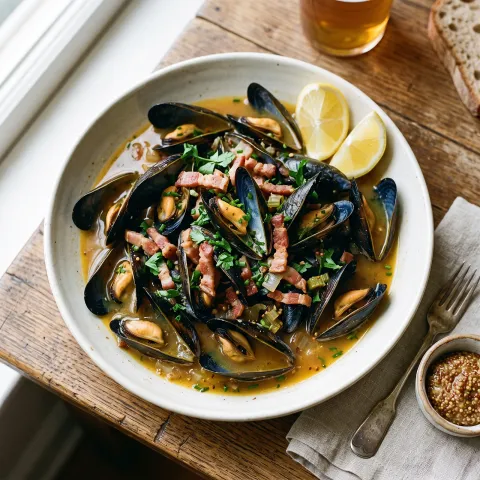
- Fish and seafood, especially omega-3-rich options like wild salmon, sardines, and tuna.
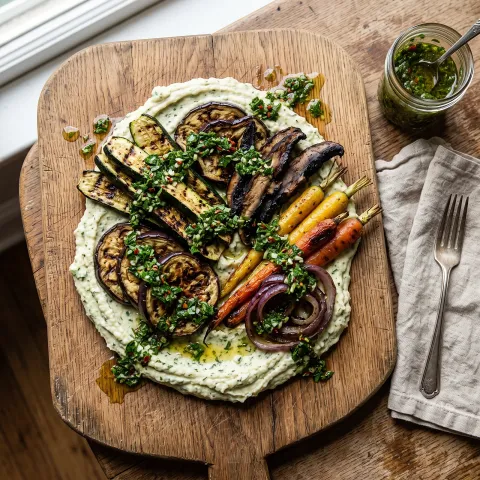
- Vegetables of every kind: leafy greens, crisp roasted broccoli, sweet peppers, mushrooms, cauliflower, zucchini, and so much more.
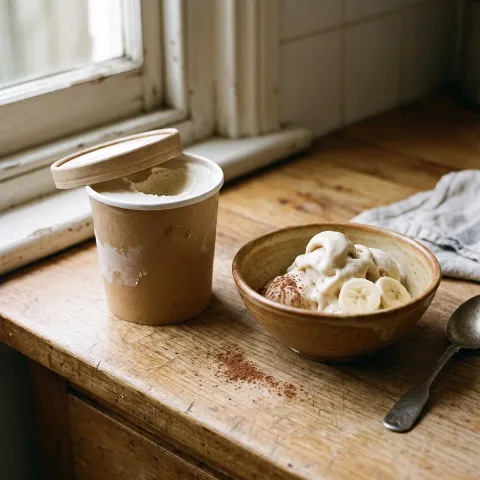
- Fruit: berries by the handful, crisp apples, juicy peaches, citrus, and melon.
- Nuts and seeds: almonds, walnuts, pecans, chia, flax, and pumpkin seeds.
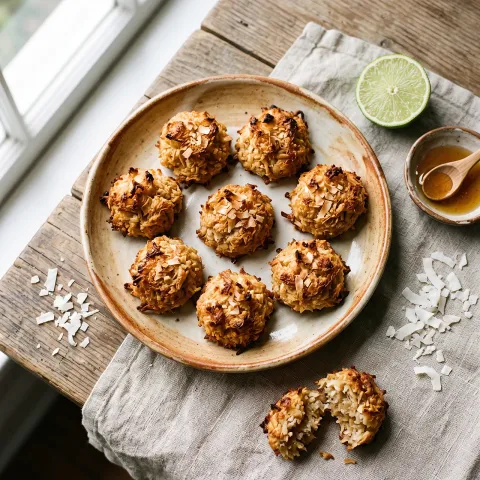
- Healthy fats: olive oil, avocado and avocado oil, coconut, and the good fat that comes with quality meat and fish.
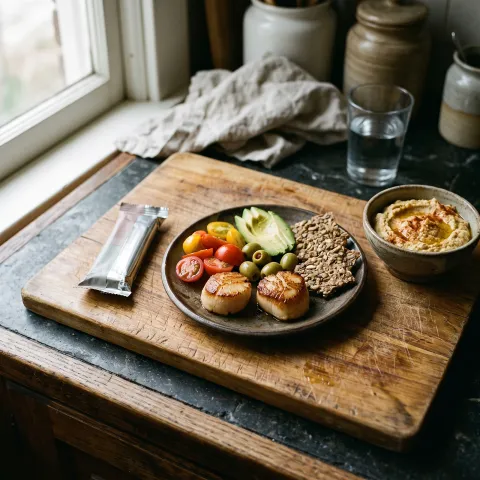
From that short list you can build an endless run of real meals: a sizzling steak with garlicky greens, salmon over a bright citrus salad, a veggie-packed frittata, slow-roasted chicken with sweet potatoes, or a snack board of fruit, nuts, and hard-boiled eggs. This is food that tastes like something, and leaves you nourished, not stuffed.
Making paleo work for you
One of the things I love most about paleo is how flexible it is once you know a few simple moves. Every common question has an easy, delicious answer.
Need energy and carbs? You've got plenty of great options. Sweet potatoes, winter squash, plantains, beets, and fruit are all paleo-friendly, whole-food carbohydrates, perfect fuel for busy days and active bodies. Load up on them, especially around workouts.
Wondering about calcium? Real food has you covered. Leafy greens like kale and collards, canned sardines with the soft bones, almonds, and broccoli all deliver calcium beautifully, no dairy required.
Eating out? Easy. Order the grilled protein or fish, ask for a double of vegetables or a side salad instead of the bun or fries, and finish with fresh fruit. Almost any restaurant can build you a naturally paleo plate.
Watching your budget? Paleo doesn't have to be fancy. Eggs, canned wild fish, frozen vegetables and berries, cheaper cuts of meat cooked low and slow, and seasonal produce keep costs down while keeping quality up. Buying whole and cooking at home is where the savings live.
The trick is a stocked kitchen and a couple of go-to recipes. Once those are in place, paleo stops feeling like a project and starts feeling like the easiest, most natural way to eat.
Paleo is real food at its best
What I hope you take from all of this is that paleo isn't a fad or a punishment. It's a return to real food, and it's built to last. When you eat this way, you tend to feel it fast: more steady energy through the afternoon, fewer cravings, better digestion, and that quiet sense of being genuinely nourished. Those wins are exactly why paleo has stayed at the center of what we do here, year after year.
It's also wonderfully forgiving. Paleo is a template, not a rulebook. You get to shape it around your life, your tastes, your family, and your budget. As always, if you have a medical condition or you're making a big change to how you eat, it's smart to loop in your doctor or a registered dietitian so your plan fits you. But for so many of us, paleo simply becomes the way we cook and eat, quietly, happily, for the long haul. That's the goal: not a 30-day sprint, but a delicious lifestyle you never want to quit.
Key takeaways
- Paleo is real, whole food: quality meat, fish, eggs, vegetables, fruit, nuts, seeds, and healthy fats, minus the processed stuff, refined sugar, industrial seed oils, and refined grains.
- It works because it satisfies: protein and whole foods keep you full and your energy steady, so eating well feels effortless.
- The research is encouraging: trials and meta-analyses link paleo to easier weight management, better blood sugar and insulin sensitivity, lower blood pressure, improved cholesterol and triglycerides, and less inflammation.
- You'll eat beautifully: abundant, colorful, genuinely delicious meals, never deprivation.
- Every concern has an easy fix: sweet potatoes and fruit for energy, greens and sardines for calcium, and simple swaps for eating out and staying on budget.
- It's a lifestyle, not a fad: flexible, sustainable, and easy to make your own for the long haul.
Frequently Asked Questions
Is the paleo diet actually good for you?
For most people, yes. Paleo centers whole, minimally processed foods, which is exactly what nutrition guidance encourages. Randomized trials and meta-analyses have linked it to weight loss, lower blood pressure, improved cholesterol and triglycerides, better insulin sensitivity, and less inflammation. As with any big dietary change, it's wise to check with your doctor or a registered dietitian if you have a medical condition.
What can't you eat on paleo?
Paleo sets aside grains, legumes, dairy, refined and added sugar, industrial seed oils, and highly processed packaged foods. The idea is to build your plate from single-ingredient, whole foods instead. Once you're stocked up on real-food staples, you rarely miss the rest.
Where do you get carbs and energy on paleo?
From delicious whole-food sources: sweet potatoes, winter squash, plantains, beets, and plenty of fruit. These give you steady, real fuel (especially helpful around workouts and busy days) without relying on refined grains or sugar.
How do you get enough calcium without dairy?
Real food makes it easy. Leafy greens like kale and collards, canned sardines with the soft bones, almonds, and broccoli all deliver calcium well. A varied paleo plate covers your bases without a glass of milk in sight.
Is paleo hard to stick with long term?
It's more sustainable than people expect, because it's so satisfying, with protein and whole foods keeping you full and steady. The keys are a stocked kitchen and a few go-to recipes. Paleo is a flexible template you shape around your life, which is exactly what makes it last.
Sources
- The American Journal of Clinical Nutrition: Paleolithic nutrition for metabolic syndrome: systematic review and meta-analysis
- Lipids in Health and Disease: Favourable effects of consuming a Palaeolithic-type diet on characteristics of the metabolic syndrome: a randomized controlled pilot-study
- Advances in Nutrition: Effects of a Paleolithic Diet on Cardiovascular Risk Factors: A Systematic Review and Meta-Analysis of Randomized Controlled Trials
- Nutrition Journal: Influence of Paleolithic diet on anthropometric markers in chronic diseases: systematic review and meta-analysis
- Cleveland Clinic: What Is the Paleo Diet and Its Benefits
This guide is for general education and is not medical advice. Everyone is different, so talk with your doctor or a registered dietitian before making a major change to how you eat, especially if you are pregnant, managing a health condition, or have a history of disordered eating.

Join the conversation
What do you think?
Free members can comment, reply and like. It takes ten seconds.