

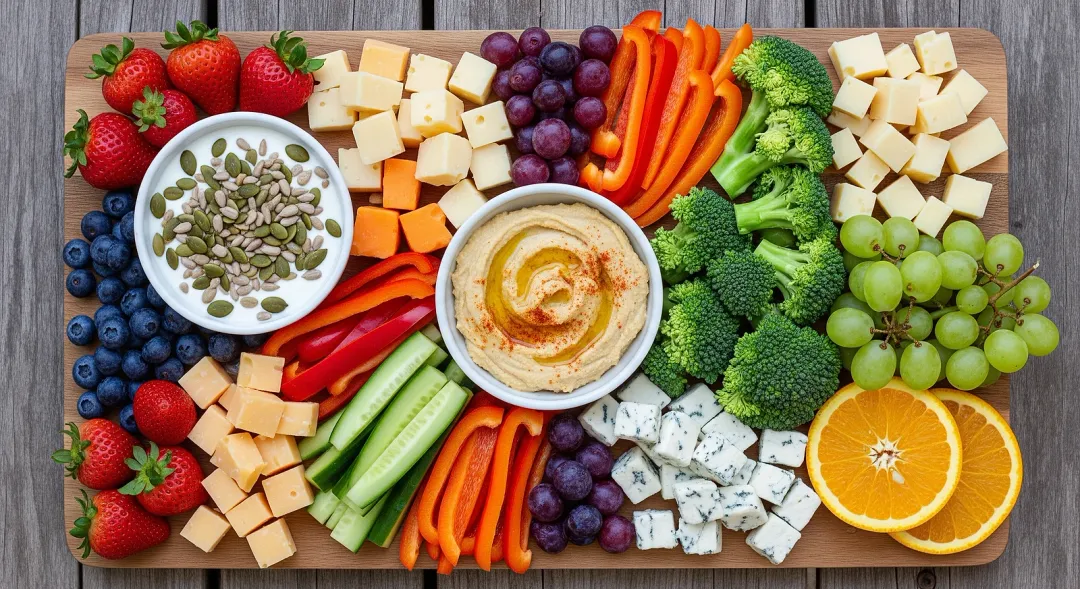

If you or someone you love is living with a tree nut or peanut allergy, here's the good news up front: you can build a kitchen and a life that are careful, satisfying, and genuinely joyful, no nuts required. A nut-free diet isn't a diet you follow to lose weight or chase a trend. It's a way of eating that lets you relax at the table, cook with confidence, and enjoy real food without worry.
This guide is about the practical, empowering side of that: what a nut-free diet involves, the simple skills that make daily eating feel easy, and the naturally nut-free foods that make it a pleasure. Think of it as a friendly walkthrough, not a warning label. And because a clear diagnosis is what makes everything else easier, a board-certified allergist is always a wonderful first partner on this journey.
What is the nut-free diet?
A nut-free diet simply means keeping the nuts you're sensitive to out of your food. It's a form of allergen avoidance, and it works because it's straightforward: skip the trigger, and you skip the reaction. Once the habits become second nature, they fade into the background of a normal, delicious life.
One thing that makes this easier is understanding that "nuts" actually covers two different food groups. Peanuts are legumes. They grow underground in the same plant family as peas, beans, and lentils. Tree nuts grow on trees and include almonds, walnuts, pecans, cashews, pistachios, hazelnuts, Brazil nuts, and macadamias, among others. Because they come from different plant families, some people need to avoid only peanuts, only tree nuts, or both, and knowing exactly which applies to you turns a vague fear into a clear, manageable list.
There's some natural overlap worth knowing. Roughly 25 to 40 percent of people with a peanut allergy also react to at least one tree nut, and being allergic to one tree nut raises the odds of reacting to others. About half of children allergic to one tree nut react to another. That's exactly why testing is so useful: it tells you precisely what to skip and, just as importantly, what you can enjoy freely.
Why living nut-free works so well
The biggest payoff of a nut-free kitchen is peace of mind. When you know your ingredients, you get to eat without second-guessing every bite, and that calm, confident feeling is worth a lot. A few encouraging things to keep in mind:
- Avoidance is simple and effective. The most reliable way to feel great and stay reaction-free is to keep your specific triggers off your plate. It's a plan you can master.
- Some children outgrow these allergies. Roughly 1 in 5 children outgrow a peanut allergy, often by around age 8. Tree nut allergies tend to stick around longer, with fewer than about 10 percent of people outgrowing them, but an allergist can track this over time and let you know if anything changes.
- For babies, early introduction can help. Landmark research found that regularly feeding peanut to at-risk infants, rather than avoiding it, cut the risk of peanut allergy at age 5 by about 81 percent, with protection lasting into adolescence. That's a hopeful prevention story for families with little ones, though infants with severe eczema or egg allergy should simply be evaluated by a doctor first.
And here's a reassuring bottom line: a nut-free diet takes nothing away from your health. Nuts are one nutritious food among many, and a well-built plate of vegetables, quality protein, fruit, and seeds gives you everything you'd get from them and more.
What you get to eat
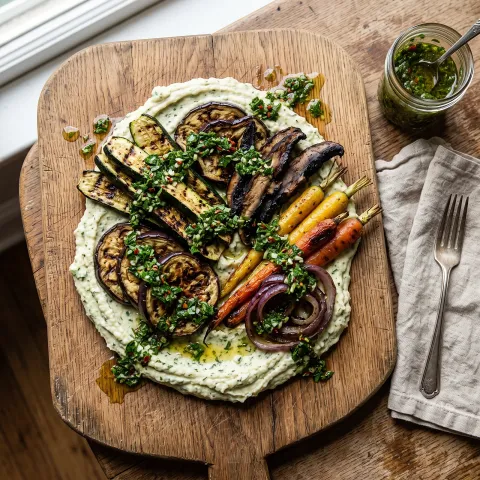
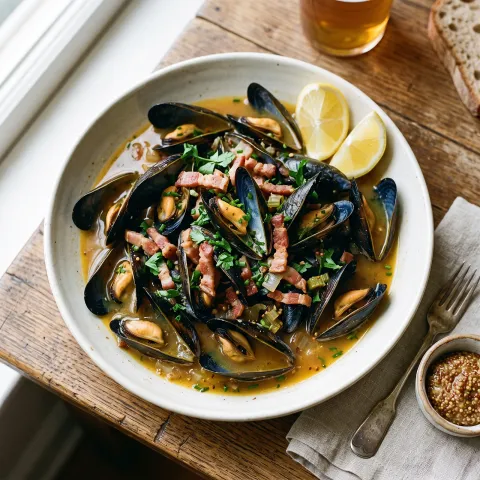
This is where a nut-free diet really shines: the list of yes foods is enormous. Fresh vegetables and fruit, quality meat, poultry, fish and eggs, and naturally nut-free pantry staples are all fair game, and they form the backbone of endlessly satisfying meals.
When a recipe leans on nuts, easy swaps keep the flavor and texture you love:
- Seeds instead of nuts: sunflower and pumpkin seeds add the same satisfying crunch to salads, granola, and snack mixes.
- Seed butters instead of nut butters: sunflower seed butter and tahini spread, bake, and blend just like their nut counterparts.
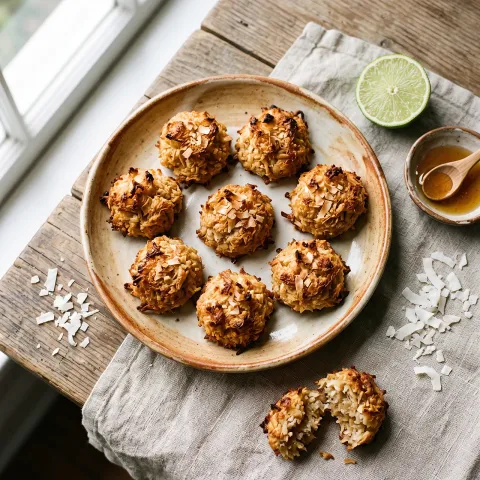
- Seed flours or coconut instead of almond flour: in baking, sunflower seed flour and coconut flour are dependable stand-ins. (Coconut is no longer classified as a tree nut for U.S. labeling, though anyone with a confirmed coconut sensitivity should still avoid it.)
With a stocked pantry of these swaps, nut-free cooking stops feeling like subtraction and starts feeling like its own delicious cuisine.
Making the nut-free diet work for you
A handful of simple habits turn nut-free living from something you think about into something you just do. None of this is complicated. It's mostly about a few reliable routines.
Read the label, every time. In the U.S., federal law requires tree nuts and peanuts to be declared on packaged foods, either in the ingredient list or in a separate "Contains" statement, with the specific tree nut named (for example, almond or pecan). Because manufacturers occasionally change recipes, a quick re-read each time you buy is the single most powerful habit you can build. It takes seconds and it keeps you in control.
Get friendly with hidden sources. Nut proteins sometimes show up in baked goods, cookies, crackers, candy and chocolate, cereals, energy bars, and even flavored coffee. Foods made outside a package, like those at bakeries, ice cream shops, and restaurants that cook heavily with nuts, are worth a quick question to staff. A little curiosity here goes a long way, and asking is completely normal.
Understand cross-contact. Cross-contact happens when a nut-free food touches equipment, surfaces, or oil that handled nuts. This is where precautionary labels come in, the ones that read "may contain tree nuts" or "made in a facility that also processes peanuts." These advisory notes are voluntary and not standardized, so they don't tell you how much, if anything, is present. Many allergists suggest that people who react easily skip these products and call the manufacturer when they'd like more clarity. Cooking at home sidesteps the question entirely, since you control every surface and every ingredient. (Helpful note: recent FDA guidance sets the list of tree nuts required to be labeled at 12 species and no longer treats coconut as a tree nut for labeling.)
Keep preparedness simple. A little readiness makes everything feel lighter. Anyone at risk of a severe reaction is generally advised to carry an epinephrine auto-injector (such as EpiPen or Auvi-Q) and know how to use it, since epinephrine is the first-line treatment for a serious reaction. Pair it with a short written emergency action plan from your allergist that spells out what to do and when. Antihistamines can ease mild symptoms, but they're a sidekick, not a stand-in for epinephrine. With these pieces in place, you get to spend your energy enjoying food, not worrying about it.
Partner with an allergist. A board-certified allergist is your best ally. Through your history plus testing, including a skin-prick test, a blood test for allergen-specific IgE, and, when helpful, a supervised oral food challenge, they pinpoint exactly which nuts to avoid and which are safe. That clarity is genuinely freeing, and it means your nut-free list is tailored to you, not to worst-case guesswork.
How the nut-free diet fits a real-food approach
Here's the part I love: a nut-free diet and a whole-food, real-food kitchen are natural partners. When you cook from single-ingredient foods, such as fresh produce, good meat and fish, eggs, and naturally nut-free staples, you sail right past most of the hidden-nut and cross-contact questions that live in packaged, ultra-processed products. Fewer mystery ingredients means fewer labels to decode and more confidence at every meal.
Yes, plenty of paleo and real-food recipes reach for almond flour, cashew "cream," and nut butters, but the swaps above cover nearly all of them, and often taste just as good. Cooking at home puts you in the driver's seat of every ingredient and every surface, which is the surest, most satisfying way to keep a meal genuinely nut-free. Nut-free real food isn't a compromise. It's a warm, abundant way to eat.
Key takeaways
- You can thrive nut-free. It's a calm, doable way of eating, not a sacrifice, and it takes nothing from your nutrition.
- Know your two food groups. Peanuts are legumes and tree nuts grow on trees; testing tells you exactly which to skip and which you can enjoy.
- Read every label, every time, and get comfortable spotting hidden sources like baked goods, candy, cereals, and bars.
- Lean on easy swaps: seeds, seed butters, tahini, coconut, and seed flours make nut-free cooking delicious.
- Keep preparedness simple: carry an epinephrine auto-injector if you're at risk and keep a short emergency action plan handy.
- Partner with a board-certified allergist for a clear diagnosis and a plan built around you.
This guide is for general education and is not medical advice. Everyone's needs are different, so talk with your doctor or a registered dietitian (especially a board-certified allergist) about diagnosis, testing, and the plan that's right for you.
Frequently Asked Questions
How do I start eating nut-free with confidence?
Begin with a clear diagnosis from a board-certified allergist so you know exactly which nuts to avoid and which are safe. Then build a few simple habits: read labels every time you shop, stock nut-free swaps like seeds and seed butters, and cook from whole, single-ingredient foods when you can. Within a couple of weeks these routines feel automatic, and eating becomes relaxed again.
Are peanuts tree nuts?
No, and that's actually helpful to know. Peanuts are legumes that grow underground in the same family as peas and beans, while tree nuts (almonds, walnuts, cashews, pecans, pistachios and others) grow on trees. Because they're botanically different, you may need to avoid one, the other, or both. Roughly 25 to 40 percent of people with a peanut allergy also react to at least one tree nut, so testing helps you personalize your list.
What can I eat and cook without nuts?
A wonderful amount. Fresh vegetables and fruit, quality meat, poultry, fish and eggs, and naturally nut-free pantry staples are all yours. When a recipe calls for nuts, reach for easy swaps: sunflower or pumpkin seeds for crunch, sunflower seed butter or tahini in place of nut butter, and coconut or seed flours where a recipe wants almond flour. Nut-free cooking is its own delicious cuisine.
Do 'may contain nuts' labels matter?
They're worth paying attention to. These precautionary or advisory statements are voluntary and not standardized by law, so they don't tell you how much allergen might be present. Because of that uncertainty, many allergists suggest that people at higher risk skip products carrying 'may contain' or 'made in a facility with' warnings, and call the manufacturer for clarity when they'd like it.
Can a nut allergy be outgrown?
Sometimes, which is a hopeful thing to keep in mind. About 1 in 5 children outgrow a peanut allergy, often by around age 8. Tree nut allergies tend to be more persistent, and fewer than about 10 percent of people outgrow them, but an allergist can track this over time. Any decision to reintroduce a nut should be made and supervised by your allergist, never tested on your own.
How do I stay prepared without stressing about it?
Keep it simple. If you're at risk of a severe reaction, carry an epinephrine auto-injector and know how to use it, since epinephrine is the first-line treatment for a serious reaction. Pair it with a short written emergency action plan from your allergist. With those two things in place, you can relax and put your energy into enjoying your food.
Sources
- Cleveland Clinic: Tree Nut Allergy: Causes, Symptoms & Treatment
- American College of Allergy, Asthma & Immunology (ACAAI): Tree Nut | Causes, Symptoms & Treatment
- Cleveland Clinic: Peanut Allergy: Symptoms, Reaction, Tests & Treatment
- Food Allergy Research & Education (FARE): Update to FDA Guidance for Food Allergen Labeling
- Food Allergy Research & Education (FARE): Tree Nut Allergy
- National Institutes of Health (NIH): Introducing peanut in infancy prevents peanut allergy into adolescence
- MedlinePlus (U.S. National Library of Medicine): Food Allergy
This guide is for general education and is not medical advice. Everyone is different, so talk with your doctor or a registered dietitian before making a major change to how you eat, especially if you are pregnant, managing a health condition, or have a history of disordered eating.






Join the conversation
What do you think?
Free members can comment, reply and like. It takes ten seconds.