

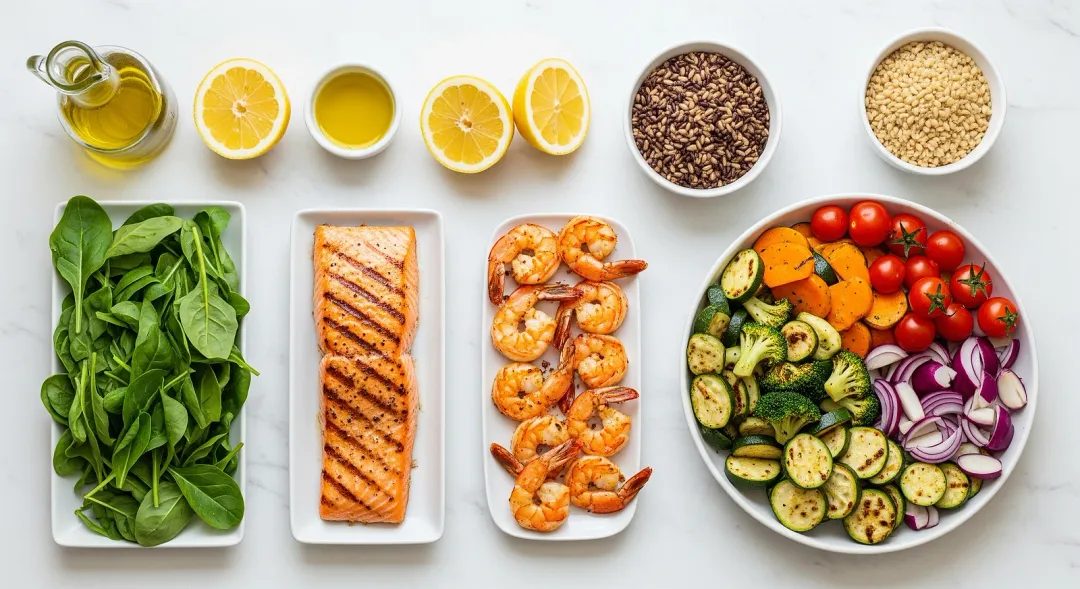

If you love the idea of eating more plants but you're not about to give up salmon on the grill or a bowl of steamed mussels, the pescatarian diet is a wonderful place to land. At its heart it's simple: a vegetable-forward way of eating with fish and seafood welcomed back onto the plate. You get the freshness and color of a plant-rich table plus the deep, satisfying nourishment of good seafood.
People arrive here for all kinds of reasons: a stronger heart, a lighter footprint on the ocean, or simply an easier, more flexible way to cover their nutrient needs than a fully plant-based approach. Whatever brings you, this is a genuinely well-studied, deeply enjoyable way to eat, and it's one you can shape around your own tastes and rhythms.
What is the pescatarian diet?
The word blends the Italian pesce (fish) with vegetarian. A pescatarian builds meals on a plant-based foundation (vegetables, fruits, whole grains, legumes, nuts, and seeds) and adds fish and shellfish as the main animal protein. Most pescatarians also enjoy eggs and dairy.
Think of it as vegetarian eating with the door held wide open for the sea. There are no macro ratios to hit, no phases to cycle through, and no rigid rulebook. You simply center your plate on plants and reach for seafood as your go-to protein. The flexibility is part of what makes it so livable.
Why people feel so good on it
What makes this pattern shine is the combination it puts on your plate. By leaning on plants plus seafood, your meals naturally fill up with fiber, vegetables, and unsaturated fats. That shift toward whole, colorful food is a big part of why so many pescatarians describe feeling lighter and more energized.
Fish is the standout ingredient. Fatty fish such as salmon, mackerel, herring, and sardines are among the very best sources of the long-chain omega-3 fatty acids EPA and DHA. According to the National Institutes of Health, these omega-3s from fish and seafood help lower triglyceride levels, one of the reasons seafood is so tied to heart health. Fish also delivers protein, vitamin B12, iron, selenium, and zinc, nutrients that can take more planning to reach on a fully plant-based diet, and that seafood serves up generously.
And because the pattern still leans heavily on plants, it's never just a fish diet. The vegetables, legumes, whole grains, nuts, and seeds do real work too, adding fiber that supports digestion and helps you feel comfortably full. It's the interplay of plant foods and seafood, not fish alone, that most of the research is really celebrating.
What the research shows
Some of the most encouraging findings for pescatarian eating center on the heart and on a long, healthy life:
- A heart-friendly pattern. In the EPIC-Oxford study, published in the BMJ in 2019 and following more than 48,000 people for about 18 years, fish eaters had a 13% lower rate of ischemic heart disease than meat eaters.
- Linked to a longer life. In the Adventist Health Study 2, published in JAMA Internal Medicine in 2013 with more than 73,000 participants, pesco-vegetarians had a 19% lower risk of death from any cause compared with nonvegetarians.
- Rich in omega-3s. Regular fatty-fish meals supply EPA and DHA. The American Heart Association, cited by the NIH, recommends one to two servings of seafood per week to support heart health.
- Easy, generous nutrition. Because fish and seafood provide B12, iron, and complete protein, pescatarians tend to meet these needs with real ease.
It's worth understanding this evidence honestly: much of it is observational, meaning it shows strong associations rather than proving fish alone is responsible. People drawn to this way of eating often move more and smoke less, and that's part of the picture too. But that's exactly why it's so promising. The diet is one meaningful piece of a whole healthy lifestyle, the findings point consistently in the same direction, and the biological story (more omega-3s, more plants, more whole food) lines up beautifully with what you'd hope for.
What you get to eat
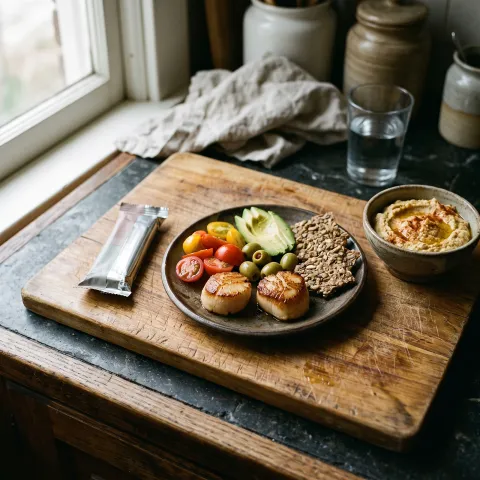
One of the joys of this way of eating is how abundant it feels. Your plate is built from:
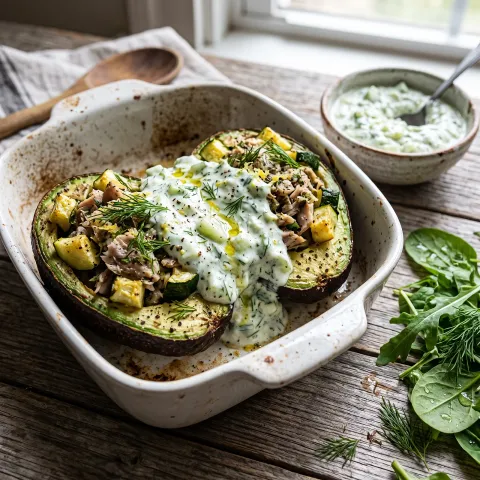
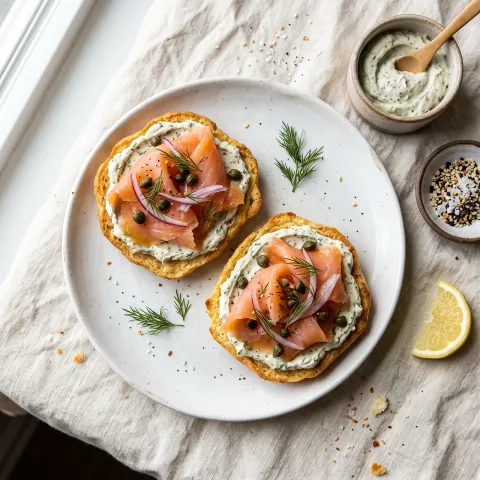
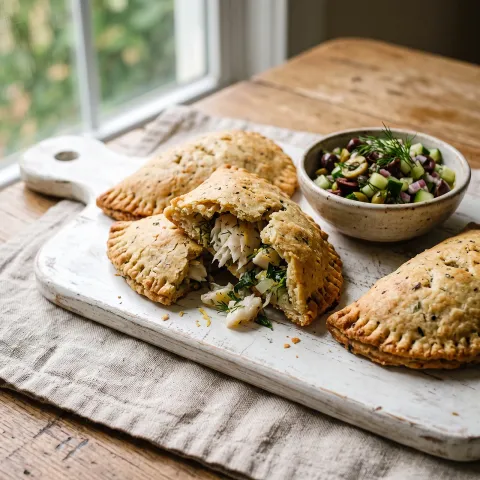
- Fish and seafood: salmon, sardines, mackerel, cod, shrimp, mussels, and more, as your main protein.
- Vegetables and fruit, the colorful, fiber-rich foundation of every meal.
- Whole grains and legumes: lentils, beans, and grains for variety, protein, and staying power (if they work for you).
- Nuts, seeds, and quality fats, including olive oil, which pairs naturally with a Mediterranean-leaning table.
- Eggs and dairy, enjoyed by most pescatarians alongside everything else.
What's off the plate is land-animal meat: beef, pork, lamb, chicken, turkey, and game. Everything else is fair game, which leaves you enormous room to cook the food you actually love.
Making the pescatarian diet work for you
This is a forgiving, flexible way to eat, and a few simple habits help you get the very best from it:
- Reach for whole food first. Fresh or simply-cooked seafood and plenty of vegetables give you more than battered, breaded, or heavily packaged options. Let real ingredients lead and the rest takes care of itself.
- Enjoy lower-mercury fish freely. The FDA and EPA "Best Choices" list (salmon, shrimp, cod, tilapia, canned light tuna, sardines, pollock, catfish) covers most everyday eating and can be enjoyed two to three times a week. It's an easy, reassuring guide to lean on.
- Include some fatty fish. Leaner options like cod, sole, and flounder are lovely, but folding in salmon, sardines, or mackerel makes sure you're getting those rich EPA and DHA omega-3s.
- Choose seafood you can feel good about. Responsibly sourced, well-managed seafood helps protect the fisheries this way of eating depends on. Small oily fish like sardines and anchovies are often both lower in mercury and more sustainable, an easy win on several fronts.
- Mix it up. Rotating between different seafood, and different plant proteins like lentils, beans, and tofu, keeps meals interesting and spreads your nutrients across a wide, colorful range.
If you're pregnant, breastfeeding, or feeding young children, a little extra care around mercury goes a long way. Favor those lower-mercury "Best Choices" fish, and lean on your doctor or dietitian to tailor things to you. That's not a reason to hesitate; it's simply how you make a great way of eating fit your life perfectly.
How the pescatarian diet fits a real-food approach
Pescatarian eating and a real-food philosophy overlap comfortably. Both prize whole, minimally processed ingredients: vegetables, fruit, quality fats, and clean sources of protein like wild-caught salmon or a pot of mussels. If you cook mostly from scratch, a pescatarian week can look a lot like a paleo-leaning one that simply skips the meat and celebrates the sea instead.
Where they gently diverge is grains, legumes, and dairy, foods many pescatarians love for protein and fiber, but which a strict paleo template keeps light. There's no single right answer, and that's the beauty of it. You can lean pescatarian while staying grain-light and legume-light if that's what feels best in your body, or lean into beans and whole grains for variety and satiety. The real-food thread running through both is the same: prioritize whole ingredients, cook them yourself, and be thoughtful about what you're eating and where it comes from.
Key takeaways
- A pescatarian diet is vegetable-forward eating plus fish and seafood: abundant, flexible, and easy to love.
- Research links it to a healthier heart and a longer life, and the biology behind it is genuinely encouraging.
- Fatty fish supply omega-3s (EPA and DHA), B12, and complete protein, making your nutrient needs easy to meet.
- Lower-mercury "Best Choices" fish let you enjoy seafood often; a little extra care suits pregnancy, breastfeeding, and young children.
- It fits a real-food approach beautifully. Build meals from whole ingredients and choose seafood you can feel good about.
This guide is for general education and is not medical advice. Everyone's body and health picture is different, so talk with your doctor or a registered dietitian before making a major change to the way you eat. They can help you make the pescatarian diet work wonderfully for you.
Frequently Asked Questions
How do I get started with a pescatarian diet?
Start where you already are: build meals around vegetables and reach for fish or seafood as your main protein instead of land-animal meat. Keep a few easy options on hand (canned salmon or sardines, frozen shrimp, a bag of lentils) and let whole plants and seafood lead the plate. There's no rulebook to memorize, so you can ease in at whatever pace feels good.
Do pescatarians eat eggs and dairy?
Most do. A pescatarian diet is essentially vegetarian eating with fish and seafood added, and the majority of people who follow it also enjoy eggs and dairy alongside plants and seafood. It's a flexible pattern you can shape to your own tastes.
How much fish should I eat on a pescatarian diet?
General guidance from the American Heart Association is one to two servings of seafood per week for heart health. The FDA and EPA note that two to three servings of lower-mercury 'Best Choices' fish is a comfortable amount for most adults, so you have plenty of room to enjoy seafood regularly.
Which fish are lowest in mercury?
The FDA and EPA 'Best Choices' list includes salmon, shrimp, cod, tilapia, canned light tuna, sardines, pollock, and catfish, all great everyday picks. You'll want to enjoy higher-mercury fish like shark, swordfish, king mackerel, and marlin only occasionally, if at all.
Will I get enough protein and key nutrients?
Yes, and seafood makes this easy. Fish and shellfish provide complete protein along with omega-3s, vitamin B12, iron, selenium, and zinc, and your plants add fiber and plenty more. Rotating between different seafood and plant proteins keeps your nutrition varied and well-covered.
Is a pescatarian diet right for me?
If you love plants and don't want to give up fish and seafood, it's a natural fit: flexible, well-studied, and easy to live with. The best way to know is to try it and notice how you feel, and a doctor or dietitian can help you tailor it to your own body and goals.
Sources
- Harvard Health Publishing: Thinking about becoming a pescatarian? What you should know about the pescatarian diet
- Cleveland Clinic: The Benefits of Following a Pescatarian Diet (and How To Do It)
- U.S. Food and Drug Administration: Questions & Answers from the FDA/EPA Advice about Eating Fish
- BMJ (EPIC-Oxford study): Risks of ischaemic heart disease and stroke in meat eaters, fish eaters, and vegetarians over 18 years of follow-up
- JAMA Internal Medicine (Adventist Health Study 2): Vegetarian Dietary Patterns and Mortality in Adventist Health Study 2
- NIH Office of Dietary Supplements: Omega-3 Fatty Acids: Fact Sheet for Consumers
This guide is for general education and is not medical advice. Everyone is different, so talk with your doctor or a registered dietitian before making a major change to how you eat, especially if you are pregnant, managing a health condition, or have a history of disordered eating.



Join the conversation
What do you think?
Free members can comment, reply and like. It takes ten seconds.