

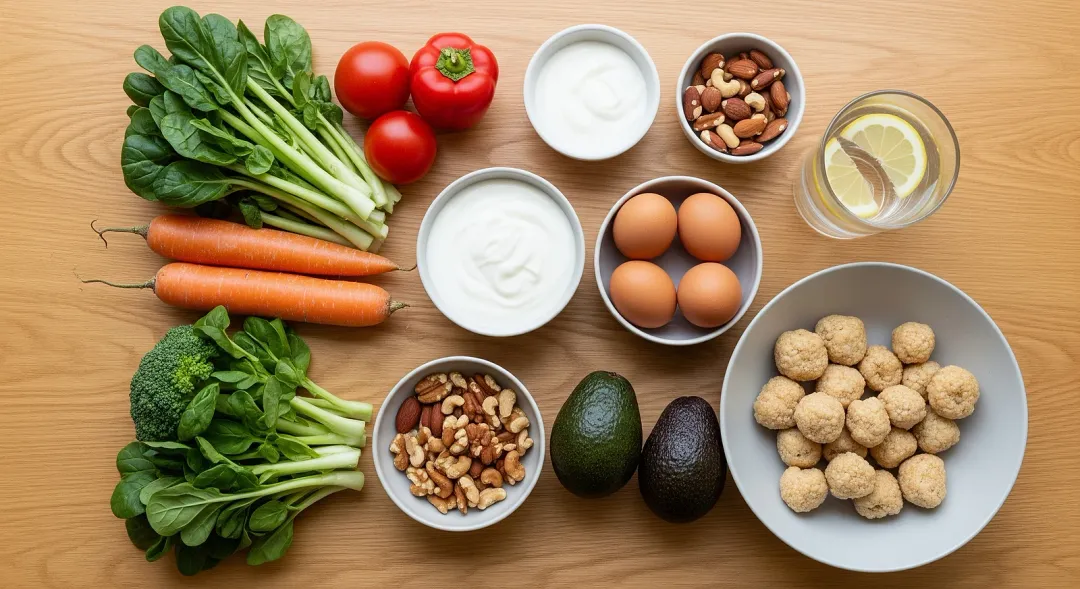

Going sugar-free sounds strict, but in practice it is one of the most freeing changes you can make. It almost never means giving up every last gram of sweetness. For most people, a sugar-free life simply means stepping away from added sugars (the sweeteners stirred into sodas, baked goods, sauces, and processed snacks) while happily keeping the naturally occurring sugars in whole fruit, vegetables, and plain dairy.
People arrive here for all kinds of reasons: steadier energy through the day, a brighter smile, easier weight management, or simply wanting less ultra-processed food in the mix. Whatever brings you, you are in good company, because reducing added sugar is one of the most evidence-backed dietary changes there is. The best part is that this is an eating style built on abundance, not deprivation. You get to rediscover how naturally delicious real food already is.
What is a sugar-free diet?
The clearest way to think about a sugar-free diet is by what it gently sets aside: added and free sugars, not all carbohydrates and not the sugar built into whole foods. The American Heart Association describes added sugars as "sugars and syrups put in foods during preparation or processing, or at the table," while naturally occurring sugars are "found naturally in foods, such as fruit (fructose and glucose) and milk (lactose)." The World Health Organization uses a slightly broader category called free sugars, which also counts the sugars in honey, syrups, and fruit juice.
So on a practical sugar-free plan you set aside table sugar, cane sugar, high-fructose corn syrup, honey and agave added to products, sweetened drinks, candy, most packaged desserts, and the surprising amount of sugar tucked into savory items like ketchup, pasta sauce, salad dressing, and flavored yogurt. And you get to keep a wonderfully wide menu: whole fruit, vegetables, plain dairy, whole grains, legumes, nuts, and unsweetened everything. Happily, this is not a low-carb or keto diet. You can eat plenty of naturally carb-rich whole foods and still be living beautifully sugar-free.
Why cutting added sugar feels so good
Added sugar delivers calories with, as the American Heart Association puts it, "zero nutritional benefit." A can of soda or a pastry can carry a big dose of fast-absorbing sugar that spikes blood glucose and does little to leave you satisfied. Liquid sugar is especially easy to over-consume, because drinks tend to slip past the appetite signals that solid food triggers.
The magic of a sugar-free life is really simple subtraction. Remove the concentrated, nutrient-poor sugar and you naturally shed excess calories and smooth out the blood-sugar swings that come with them. In its place, your body leans on the slower-digesting carbohydrates in whole foods, the ones that arrive bundled with fiber, vitamins, and minerals. Harvard's Nutrition Source points out that naturally occurring sugars behave differently from added ones: lactose in milk, for instance, "does not impact blood glucose or carry the same health risks as white 'table' sugar and other caloric sweeteners." Many people notice the payoff quickly: more even energy, fewer afternoon crashes, and a palate that starts to find fruit tasting sweeter than ever.
The wins you can look forward to
The research on reducing added sugar is genuinely strong in several areas, and it is worth celebrating what the evidence actually shows.
- A brighter, healthier smile. This is the most clear-cut win. The WHO calls the consumption of free sugars "the most common risk factor for dental caries," the most widespread noncommunicable disease worldwide, affecting an estimated 2.5 billion people. Plaque bacteria turn free sugars into enamel-eroding acids, so easing off added sugar directly protects your teeth.
- A happier heart. Harvard Health reports that eating higher amounts of added sugars is linked with higher risks of heart disease and stroke, with the risk climbing alongside intake. The proposed mechanisms include the liver converting excess sugar to fat, along with higher blood pressure and chronic inflammation, all things that ease when added sugar comes down.
- Easier weight management. Because added sugars pile on calories without promoting fullness, trimming them is a straightforward way to feel satisfied on less. Swapping sugary items for whole foods tends to leave people content, not hungry.
- Steadier blood sugar. Dialing back added sugar can help keep blood glucose in a healthy range and support metabolic health, and some benefit to blood sugar and insulin shows up even over short periods.
A fair summary: the dental and heart benefits are robust, while the weight and blood-sugar wins are real and grow even stronger depending on the good food you choose to enjoy in sugar's place.
What you get to eat
Living sugar-free is far more about what fills your plate than what leaves it. Whole fruit stays front and center. Berries, apples, citrus, and stone fruit satisfy a sweet tooth while bringing fiber, vitamins, and water along for the ride. Vegetables of every color, plain dairy, eggs, meat and seafood, nuts and seeds, legumes, and whole grains all belong here. Naturally sweet vegetables like roasted sweet potatoes, carrots, and squash become weeknight favorites, and warm spices such as cinnamon, nutmeg, and vanilla add the impression of sweetness with no sugar at all.
For context on how much room there is to grow into this: the average American adult, teen, and child takes in about 17 teaspoons of added sugar a day, while the American Heart Association suggests aiming for around 6 teaspoons (24 grams) for women and 9 teaspoons (36 grams) for men. That gap is really an opportunity, and the single most powerful place to start is with drinks. More than half of Americans' added sugar comes from sweetened beverages, so trading soda, sports drinks, and sweetened coffee for water or unsweetened options can transform your intake in one easy move.
Making the sugar-free life work for you
The most sustainable version of this is the gentlest one. Rather than quitting cold turkey and burning out, ease in: halve the sugar in your coffee, then cut a little further as your taste adjusts. Taste buds recalibrate faster than most people expect, and within a few weeks lightly sweet foods start to taste plenty sweet.
A couple of friendly heads-ups will help you shop smart. "Sugar-free" on a label is a marketing phrase as much as a health goal, so it pays to know what is filling in for the sugar. Many sugar-free candies, gums, and baked goods lean on sugar alcohols such as xylitol, erythritol, sorbitol, and maltitol. Cleveland Clinic notes the body cannot fully absorb them, which is why larger amounts can bring on bloating, gas, and digestive upset. And while 10 to 15 grams a day is generally considered fine, many processed "sugar-free" foods sail past that. So if a treat leaves your stomach unhappy, the sweetener is usually the culprit, and whole-food sweetness is the easy fix.
It is also tempting to swap sugar for zero-calorie sweeteners, but here the guidance points back to real food. In 2023 the WHO advised against relying on non-sugar sweeteners (including aspartame, sucralose, saccharin, and stevia) for weight control, concluding they "do not confer any long-term benefit in reducing body fat." Its recommendation is to bring down free sugars overall and reach for naturally sweet whole foods rather than substitutes. A few other small wins round things out: remember that fruit juice and honey count as free sugars, peek at labels on savory sauces and dressings, and go gradually. And as with any meaningful change, it is worth checking in with a doctor or registered dietitian who can help you tailor the approach, especially if you are managing diabetes, are pregnant, or have a history of disordered eating.
How the sugar-free life fits a real-food kitchen
This is where a sugar-free life and a real-food, paleo-leaning philosophy line up almost perfectly. When you cook from whole ingredients, most added sugar simply never walks in the door. There is no hidden syrup in a roasted chicken or a pan of vegetables. Instead of chasing sugar-free packaged products with their sugar alcohols and sweeteners, the real-food move is to lean on what is already sweet by nature: ripe fruit, roasted sweet potatoes and carrots, warm spices, and extracts like vanilla and almond that add sweetness without sugar.
The American Heart Association's own tips echo this beautifully: use whole fruit for sweetness, cut the sugar in recipes by a third to a half, and swap in spices and unsweetened applesauce. None of that requires a specialty product. And because whole fruit and plain dairy stay right on the menu, a real-food sugar-free approach never demonizes naturally sweet, nutrient-rich foods. The point was never purity; it is simply shifting the bulk of your sweetness back to foods that bring nutrients along for the ride.
Key takeaways
- A sugar-free life usually means easing off added and free sugars, while happily keeping the natural sugars in whole fruit, vegetables, and plain dairy.
- The strongest wins are for dental and heart health, with real benefits for weight and blood sugar that grow with the good food you choose instead.
- Most added sugar comes from sweetened drinks, so swapping those is the easiest, highest-impact first step.
- "Sugar-free" products often lean on sugar alcohols or non-sugar sweeteners; naturally sweet whole foods are the friendlier, more satisfying route.
- The most sustainable version is a whole-food approach: cook from scratch, lean on naturally sweet foods, and ease in gradually.
- This guide is for general education and is not medical advice. Talk with your doctor or a registered dietitian before major changes, especially with diabetes, pregnancy, or a history of disordered eating, so you can shape the approach that is right for you.
Frequently Asked Questions
Does a sugar-free diet mean I can't eat fruit?
Not at all. A sugar-free approach targets added and free sugars, not the natural sugars in whole fruit. Whole fruit comes packaged with fiber, vitamins, and water, and both the American Heart Association and WHO actually recommend fruit as a naturally sweet way to satisfy a sweet tooth while cutting added sugar. Fruit juice is a little different, since its sugars count as free sugars.
What's the easiest first step to cut added sugar?
Start with beverages. More than half of the added sugar in the typical American diet comes from sweetened drinks like soda, sports drinks, and sweetened coffee or tea. Swapping those for water or unsweetened options can cut your added sugar dramatically in one easy move. From there, ease in gradually and start peeking at labels for hidden sugar in sauces and snacks.
How much added sugar is a good target?
The American Heart Association suggests aiming for about 6 teaspoons (24 grams) a day for women and 9 teaspoons (36 grams) for men. For dental health, the WHO advises keeping free sugars under 10% of total energy, and ideally under 5%. For reference, the average American takes in about 17 teaspoons a day, so there is plenty of happy room to grow into.
What can I use for sweetness instead of sugar?
The most satisfying route is real food. Reach for whole fruit, roasted sweet potatoes and carrots, and warm spices like cinnamon, nutmeg, and vanilla, which add the impression of sweetness with no sugar. In 2023 the WHO advised against relying on non-sugar sweeteners such as aspartame, sucralose, and stevia for weight control, finding they don't provide long-term benefit for reducing body fat, so leaning on naturally sweet foods is the friendlier choice.
Why do sugar-free candies sometimes upset my stomach?
Many sugar-free sweets use sugar alcohols like xylitol, erythritol, sorbitol, or maltitol. The body can't fully absorb them, so they ferment in the gut and can cause bloating and gas. Cleveland Clinic notes that 10 to 15 grams a day is generally considered fine, but many processed sugar-free foods contain far more. If a treat leaves you uncomfortable, whole-food sweetness is the easy fix.
Is a sugar-free life right for me?
For most people, easing off added sugar is a safe, rewarding change with a strong evidence base, and it fits especially well if you drink sweetened beverages, want to protect your teeth, or are simply moving toward more whole-food eating. It works best when you shape it to your own life, so it's worth checking in with a doctor or registered dietitian, especially if you're managing diabetes, are pregnant, or have a history of disordered eating.
Sources
- American Heart Association: Added Sugars
- Harvard T.H. Chan School of Public Health: Added Sugar in the Diet | The Nutrition Source
- Harvard Health Publishing: The sweet danger of sugar
- World Health Organization: Sugars and dental caries
- World Health Organization: WHO advises not to use non-sugar sweeteners for weight control in newly released guideline
- American Heart Association: Tips for Cutting Down on Sugar
- Cleveland Clinic: What You Should Know About Sugar Alcohols
This guide is for general education and is not medical advice. Everyone is different, so talk with your doctor or a registered dietitian before making a major change to how you eat, especially if you are pregnant, managing a health condition, or have a history of disordered eating.









Join the conversation
What do you think?
Free members can comment, reply and like. It takes ten seconds.