


A vegan diet builds every meal entirely from plants, leaving out all animal products. People arrive at it from many directions: some for heart health or weight, some because of how they feel about animals, and a growing number because of the diet's lighter footprint on the planet. Whatever the reason, the good news is the same for everyone: a vegan diet can be genuinely nourishing and satisfying, and with a little planning around a few key nutrients, you can absolutely thrive on it.
Here at That Paleo Chick we eat differently than a strict vegan does, but good food is good food. This guide is a warm, honest look at what the evidence actually supports, why so many people feel great eating this way, and how to do it with whole, real ingredients rather than a cart full of processed "vegan" packages.
What is the vegan diet?
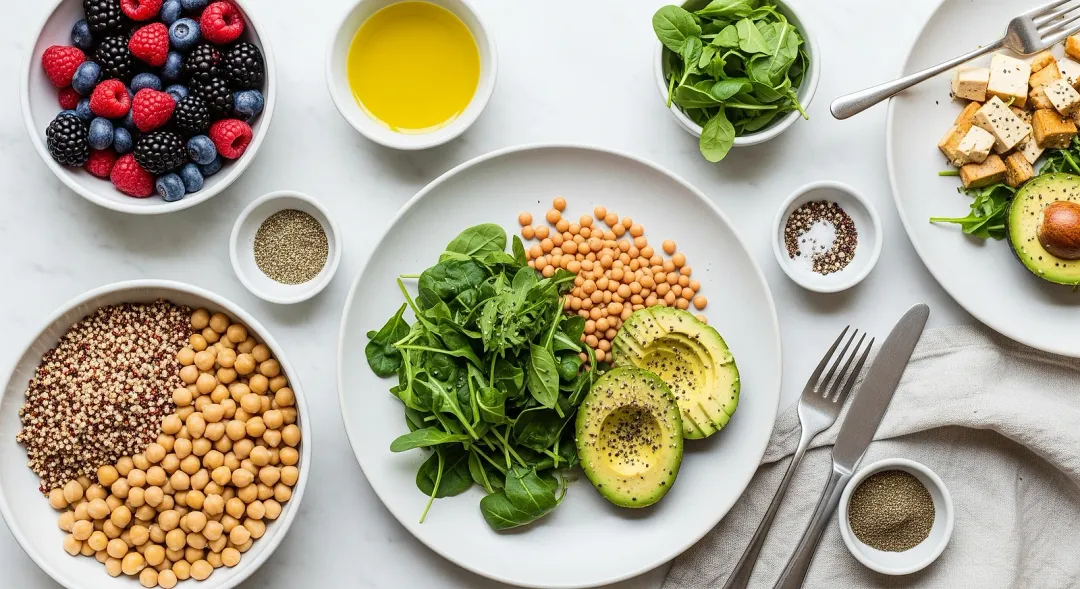
A vegan diet is built entirely from plants: vegetables, fruits, whole grains, legumes (beans, lentils, peas), nuts, seeds, and their wonderful derivatives like tofu, tempeh, and plant milks. It leaves out everything that comes from an animal, including meat, poultry, fish and seafood, plus dairy, eggs, and honey. What remains is a wide, colorful world of ingredients that lends itself beautifully to home cooking.
Unlike a 30-day reset or a short medical elimination protocol, veganism is usually a long-term lifestyle rather than a temporary diet. Many people happily follow it for years. That long horizon is exactly why a little nutrient planning pays off so well: cover the essentials early, and the pattern supports you for the long haul.
Why people feel so good on it
There's no single metabolic "switch" behind a vegan diet the way ketosis drives keto. Its magic comes from what you add. Plant-forward eating tends to be rich in fiber, potassium, folate, antioxidants, and unsaturated fats, and naturally lighter in saturated fat and cholesterol. Those shifts are part of why so many people notice steadier energy, comfortable digestion, and favorable movement in blood pressure, cholesterol, blood sugar, and body weight.
The evidence here is real and encouraging, especially for cardiometabolic health. A 2025 position paper from the Academy of Nutrition and Dietetics concluded that an appropriately planned vegan pattern can be nutritionally adequate for adults and can improve several outcomes tied to cardiometabolic health. Major clinics echo the same message:
- Heart health: Plant-based patterns are consistently linked to lower LDL cholesterol and blood pressure and a reduced risk of heart disease.
- Healthy blood sugar: Vegan diets are associated with meaningfully better metabolic outcomes, with one analysis citing roughly a 23% lower risk of developing type 2 diabetes.
- Long-term protection: Some research links vegetarian and vegan eating to lower risk of certain cancers, including about a 35% lower risk of prostate cancer in one comparison.
- Weight management: In head-to-head trials, vegan diets often produce the most weight loss over several months, likely because high-fiber, whole plant foods are so filling and satisfying.
One insight worth keeping front and center: the benefits come from real food, not the label. Harvard research found that diets rich in whole grains, vegetables, fruits, nuts, and legumes lower chronic-disease risk, while "vegan" diets built mostly on refined grains, sugary drinks, and sweets don't deliver the same wins. Lean into whole plants and the diet rewards you generously.
What you get to eat
The vegan plate is anything but limited. You've got the whole produce aisle, every bean and lentil, whole grains like oats, brown rice, quinoa, and farro, and protein-rich staples like tofu, tempeh, and edamame. Add nuts, seeds, and their butters, avocados and olive oil for healthy fat, and plant milks and yogurts for creaminess. Herbs, spices, citrus, vinegars, and umami-rich ingredients like mushrooms, miso, and nutritional yeast make it all sing.
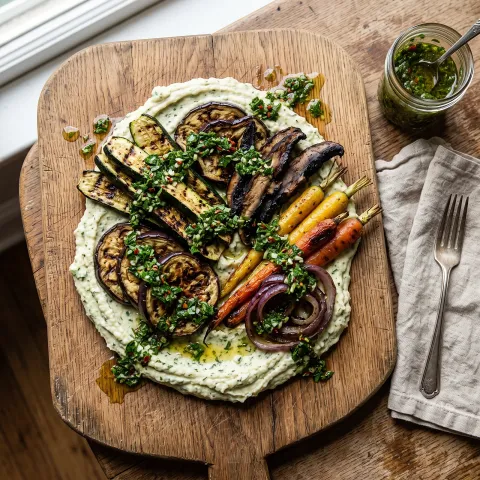
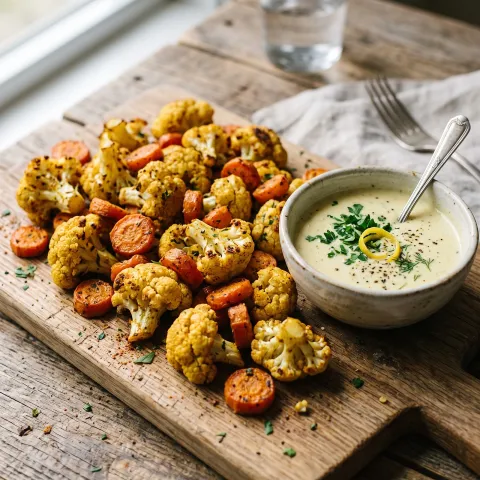
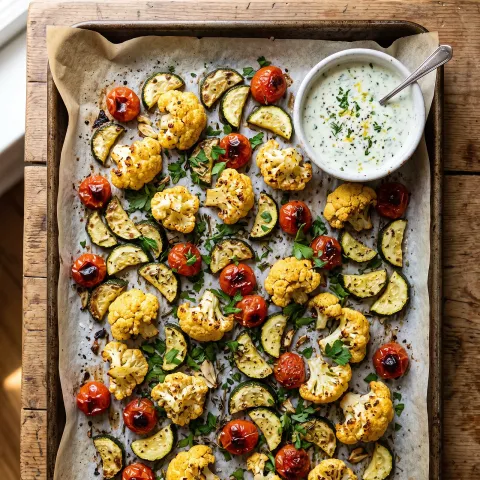
The most nourishing version of this diet is a from-scratch one, so it works especially well if you like to cook or are excited to learn. Think hearty lentil soups, big grain bowls, stir-fried tofu and vegetables, bean chili, and roasted-vegetable everything. Ultra-processed meat and cheese substitutes can be occasional conveniences, but they're the garnish, not the foundation.
Making the vegan diet work for you
Because a vegan diet removes the most concentrated natural sources of a few specific nutrients, the friendliest way to thrive is to plan for them from the start. None of this is cause for worry; it's just a short, manageable checklist. Here's what to prioritize, with food-first strategies and supplements where they genuinely help:
- Vitamin B12: This is the one nutrient nearly every authority agrees vegans should plan for deliberately, because it isn't reliably present in unfortified plant foods. Adults need about 2.4 mcg per day (2.6 mcg in pregnancy, 2.8 mcg while breastfeeding). Cover it with fortified foods like some plant milks, cereals, and nutritional yeast, plus a simple B12 supplement for most people. Easy to do, and worth doing.
- Vitamin D: Often low across the whole population, not just among vegans. Fortified plant milks, sensible sun exposure, and a supplement (especially in winter) keep you covered.
- Omega-3s (EPA and DHA): Plants provide ALA through flaxseed, chia, hemp, and walnuts, though the body converts only a small fraction of ALA to EPA and less than about 1% to DHA. Enjoy ALA-rich foods daily and consider an algae-based EPA/DHA supplement, a lovely plant-derived source.
- Iron: Plant (non-heme) iron is absorbed a bit less efficiently, so pair iron-rich foods like lentils, beans, tofu, and spinach with a squeeze of vitamin C to boost absorption nicely.
- Calcium: Lean on calcium-set tofu, fortified plant milks, and low-oxalate greens like kale, bok choy, and broccoli, which deliver especially usable calcium.
- Zinc: Found in legumes, seeds, nuts, and whole grains; soaking, sprouting, and fermenting help your body absorb more of it.
- Iodine: Easy to include with a little iodized salt or a measured seaweed source, without overdoing it.
A couple of supportive habits round it out beautifully: keep whole plants at the center rather than relying on processed substitutes, and check in on labs like B12 and iron periodically. It's a low-effort way to see your good work reflected and adjust if you ever need to.
If you're easing in, there's no need to flip a switch overnight. Start by crowding your plate with more plants and cooking more from scratch, then dial in the supplement side. If you're pregnant or breastfeeding, feeding a child a vegan diet, or navigating a specific health picture, a doctor or registered dietitian can help you tailor it so everyone thrives.
How the vegan diet fits a real-food approach
Vegan and paleo are different philosophies, but they share more than you'd expect: both favor whole, minimally processed foods and are refreshingly skeptical of the heavily packaged middle of the grocery store. The real-food version of vegan looks like beans, lentils, whole grains, tofu and tempeh, nuts and seeds, and a lot of vegetables and fruit, cooked at home. That's the version the research supports, and it's the version worth celebrating.
Where the two part ways is on animal foods and, for stricter paleo eaters, on grains and legumes. That's a genuine difference, not a flaw, and there's plenty of common ground to stand on: whether you eat plant-only or paleo, you'll feel your best building meals from ingredients that look like food rather than from a box labeled with a diet. If you're vegan-curious, that shared principle is the perfect place to begin.
Key takeaways
- A well-planned vegan diet is nutritionally adequate for adults and is linked to real benefits for heart health, healthy blood sugar, weight, and the planet.
- The wins come from whole plant foods: build your plate around beans, whole grains, vegetables, fruits, nuts, and seeds.
- Plan for vitamin B12 with fortified foods or a supplement; it's a small, easy step that makes a big difference.
- Round it out by covering vitamin D, omega-3 EPA/DHA, iron, calcium, zinc, and iodine through food and a few targeted supplements.
- Ease in at your own pace, keep whole foods at the center, and check labs like B12 and iron now and then.
This guide is for general education and is not medical advice. Nutrient needs are personal, so talk with your doctor or a registered dietitian before a major dietary change, especially during pregnancy or while feeding children, and to help tailor the plan that lets you thrive.
Frequently Asked Questions
How do I start a vegan diet?
Ease in at your own pace. Begin by crowding your plate with more plants and cooking more meals from scratch around beans, lentils, whole grains, tofu, tempeh, vegetables, and fruit. Once whole foods are the foundation, dial in the supplement side, especially vitamin B12. There's no need to flip a switch overnight.
What can I eat on a vegan diet?
So much. The whole produce aisle, every bean and lentil, whole grains like oats, quinoa, and brown rice, and protein-rich staples like tofu, tempeh, and edamame. Add nuts, seeds and their butters, avocados and olive oil, plant milks and yogurts, and umami-rich ingredients like mushrooms, miso, and nutritional yeast to make it all delicious.
Will I get enough B12 on a vegan diet?
Yes, with a simple plan. Vitamin B12 isn't reliably present in unfortified plant foods, so cover it with fortified foods like some plant milks, cereals, or nutritional yeast, plus a B12 supplement for most people. Adults need about 2.4 mcg per day. It's the one nutrient nearly every source agrees vegans should plan for deliberately, and it's easy to do.
Can you get enough protein and iron on a vegan diet?
Absolutely. Protein comes easily from beans, lentils, tofu, tempeh, seeds, nuts, and whole grains eaten across the day, and most vegans get plenty. Iron takes a little more care because plant iron is absorbed less efficiently, so pair iron-rich foods with a source of vitamin C and check your levels now and then.
Is a vegan diet right for me?
It's a great fit if you love plants, enjoy cooking or want to learn, and are drawn to the health, animal, or environmental benefits. With a short nutrient checklist covered, most healthy adults thrive on it. If you're pregnant, breastfeeding, feeding a child, or managing a specific health condition, a doctor or registered dietitian can help you tailor it so it works beautifully for you.
Sources
- Harvard Health Publishing: With a little planning, vegan diets can be a healthful choice
- Cleveland Clinic: Is a Vegan Diet Healthy?
- Journal of the Academy of Nutrition and Dietetics: Vegetarian Dietary Patterns for Adults: A Position Paper of the Academy of Nutrition and Dietetics
- NIH Office of Dietary Supplements: Vitamin B12 - Consumer Fact Sheet
- Frontiers in Nutrition (NIH/PMC): Vegan diet: nutritional components, implementation, and effects on adults' health
- Harvard T.H. Chan School of Public Health: Healthy plant-based diets better for the environment than less healthy plant-based diets
- MedlinePlus (NIH): Vegetarian Diet
This guide is for general education and is not medical advice. Everyone is different, so talk with your doctor or a registered dietitian before making a major change to how you eat, especially if you are pregnant, managing a health condition, or have a history of disordered eating.




Join the conversation
What do you think?
Free members can comment, reply and like. It takes ten seconds.