

On this page
The Paleo Diet is inspired by the diet of our Paleolithic ancestors, focusing on whole, unprocessed foods that nourish the body as nature intended. By eliminating modern processed foods, grains, and dairy, the Paleo Diet emphasizes quality protein, healthy fats, and nutrient-dense fruits and vegetables. Here’s a detailed guide to the Paleo Diet, its benefits, and practical tips for incorporating it into your lifestyle.
What is the Paleo Diet?
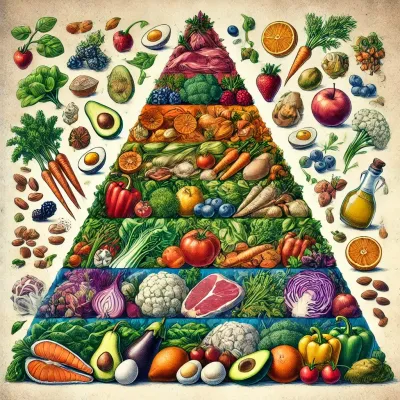
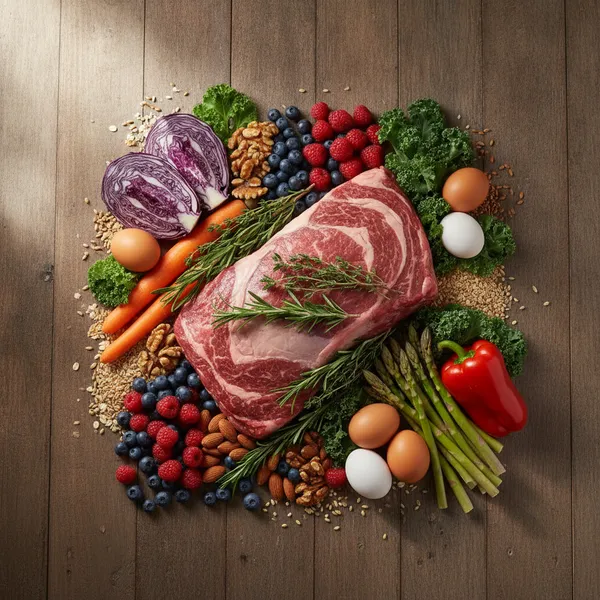
The Paleo Diet is based on foods that our hunter-gatherer ancestors consumed over 10,000 years ago, long before the advent of agriculture. By eating as closely as possible to the way humans evolved to eat, the Paleo Diet aims to support optimal health and reduce the risk of chronic diseases. The core of the Paleo Diet includes lean meats, fish, fruits, vegetables, nuts, and seeds, while avoiding grains, dairy, refined sugars, and processed foods.
Key Principles of the Paleo Diet
The Paleo Diet is built around several core principles:
Eat Whole, Unprocessed Foods
Foods are consumed in their most natural forms, emphasizing fresh ingredients free from artificial additives, preservatives, and refined sugars.
Prioritize High-Quality Protein
Protein sources include grass-fed, pasture-raised, and wild-caught meats and fish. Quality protein provides essential amino acids, supports muscle growth, and aids in cell repair.
Include Plenty of Fruits and Vegetables
A wide variety of colorful fruits and vegetables provides antioxidants, vitamins, and minerals that are crucial for immune function, heart health, and overall vitality.
Emphasize Healthy Fats
The Paleo Diet encourages healthy fats from sources like avocados, olive oil, coconut oil, nuts, and seeds. These fats support brain function, hormone balance, and cellular health.
Avoid Inflammatory Foods
Processed foods, grains, dairy, and legumes are avoided as they may contribute to inflammation and digestive issues. Instead, the diet focuses on foods that support digestion and reduce inflammation.
Health Benefits of the Paleo Diet
Adopting a Paleo lifestyle can bring various health benefits, particularly for those dealing with inflammation or metabolic issues:
Improved Digestion
By eliminating grains, dairy, and processed foods, many people experience less bloating, better nutrient absorption, and improved gut health. The Paleo Diet’s emphasis on whole, fiber-rich foods supports a healthy microbiome, which is essential for digestion and immunity.
Reduced Inflammation
Many foods commonly avoided on the Paleo Diet, such as refined sugars and processed oils, contribute to chronic inflammation. By prioritizing anti-inflammatory foods like fatty fish, leafy greens, and berries, the Paleo Diet supports a reduction in inflammation, which is linked to conditions like arthritis, cardiovascular disease, and diabetes.
Enhanced Weight Management
The Paleo Diet’s focus on whole foods and elimination of processed sugars helps stabilize blood sugar levels and reduce cravings, which may support weight loss or weight maintenance.
Increased Energy and Mental Clarity
By providing a steady source of energy through balanced macronutrients, the Paleo Diet may lead to fewer energy crashes and improved mental focus. Many people report feeling more alert and energized when following a Paleo lifestyle.
Support for Heart Health
The Paleo Diet’s emphasis on healthy fats, lean proteins, and nutrient-dense vegetables can benefit cardiovascular health. Foods like fatty fish, nuts, and seeds provide omega-3 fatty acids, which support heart health and reduce the risk of heart disease.
Common Misconceptions About the Paleo Diet
Despite its popularity, the Paleo Diet is often misunderstood. Here are some common misconceptions:
Paleo is High-Protein Only
While the Paleo Diet includes quality sources of protein, it also encourages a balanced intake of vegetables, fruits, and healthy fats. The goal is not to load up on protein alone but to include a diverse range of nutrient-rich foods.
Paleo Means No Carbs
The Paleo Diet is not necessarily low-carb. Many Paleo-friendly foods, like fruits and starchy vegetables (sweet potatoes, carrots, and winter squash), provide complex carbohydrates that fuel energy needs and support active lifestyles.
All Grains Are Unhealthy
While Paleo excludes grains due to their impact on blood sugar and potential inflammatory properties, it doesn’t label all grains as inherently bad. The focus is more on whole, unprocessed foods than on vilifying grains; some people following a modified Paleo Diet may even incorporate non-gluten grains like rice in moderation.
It’s Difficult to Follow in the Modern World
With a bit of planning and flexibility, the Paleo Diet can be integrated into modern living. Many restaurants now offer Paleo-friendly options, and meal prepping makes it easier to follow the diet at home or on the go.
Foods to Enjoy on the Paleo Diet
The Paleo Diet is simple, focusing on a variety of nutrient-dense foods. Here’s a list of recommended foods:
- Proteins: Grass-fed beef, wild-caught fish, pasture-raised poultry, game meats, eggs.
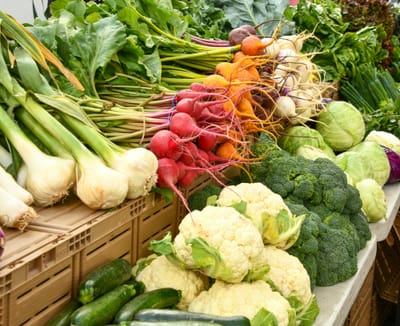
- Vegetables: Leafy greens, cruciferous vegetables (broccoli, cauliflower), root vegetables (sweet potatoes, carrots), squashes, peppers.
- Fruits: Berries, apples, oranges, pears, bananas, melons, grapes.
- Nuts and Seeds: Almonds, walnuts, pumpkin seeds, chia seeds, flaxseeds.
- Healthy Fats: Avocado, coconut oil, olive oil, ghee, nuts, and seeds.
Foods to Avoid on the Paleo Diet
Certain food groups are excluded from the Paleo Diet due to their potential impact on blood sugar, inflammation, or digestion:
- Grains: Wheat, rice, oats, barley, and corn.
- Dairy: Milk, cheese, yogurt, and butter (ghee is sometimes allowed).
- Legumes: Beans, lentils, peanuts, soy.
- Refined Sugars: High-fructose corn syrup, table sugar, artificial sweeteners.
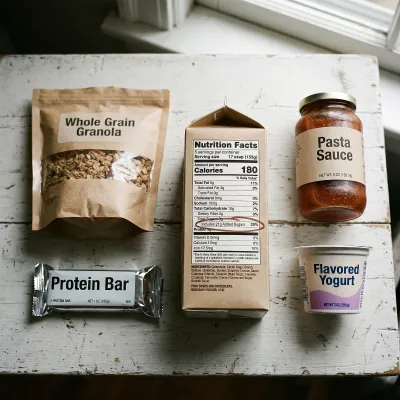
- Processed Foods: Packaged snacks, fast foods, and other foods containing preservatives and additives.
Tips for Getting Started with the Paleo Diet
Starting the Paleo Diet can be straightforward with a few practical steps:
Plan Your Meals
Planning meals around Paleo-friendly foods simplifies grocery shopping and helps you stick to the diet. Focus on filling your plate with lean protein, vegetables, and healthy fats.
Prepare Your Own Meals
Cooking at home lets you control ingredients and avoid hidden sugars, oils, or grains commonly found in restaurant dishes.
Snack Smart
Choose Paleo-friendly snacks like nuts, seeds, fruits, or veggie sticks. Homemade trail mix or avocado slices make for easy, nutrient-dense snacks.
Experiment with Paleo Recipes
The Paleo Diet offers versatility. Try Paleo-friendly recipes like cauliflower rice, zucchini noodles, or coconut flour pancakes to enjoy variety without straying from the diet’s principles.
Gradually Eliminate Non-Paleo Foods
Rather than removing grains, dairy, and processed foods all at once, try phasing them out gradually. This allows your body to adjust and helps you identify how each eliminated food group affects your health.
Plan Your Meals and Snacks
Planning ahead helps you avoid non-Paleo foods and keeps your meals balanced. Try batch-cooking meals or prepping Paleo snacks like hard-boiled eggs, raw veggies, and homemade nut butters.
Focus on Whole, Unprocessed Ingredients
Opt for organic and pasture-raised meats, wild-caught fish, and seasonal vegetables to maximize the nutrient density of each meal.
Stay Hydrated and Get Enough Sleep
Hydration and rest are essential for a healthy lifestyle. Drinking plenty of water and prioritizing quality sleep can help maximize the benefits of the Paleo Diet.
Potential Drawbacks and Considerations
While the Paleo Diet has many benefits, there are a few considerations to keep in mind:
- Nutritional Gaps: The exclusion of dairy, legumes, and grains can lead to deficiencies in calcium, fiber, and some B vitamins. Ensure your diet includes ample leafy greens, seeds, and nuts to offset these gaps.
- Cost: Grass-fed meats, organic produce, and other Paleo staples can be more expensive. Shopping seasonally and locally may help reduce costs.
- Social Challenges: Following a strict Paleo Diet can make social dining challenging, especially if eating out. Communicating dietary needs ahead of time or bringing a Paleo-friendly dish to gatherings can help.
The Paleo Diet provides a natural, balanced approach to nutrition, inspired by the way our ancestors ate. By focusing on whole, nutrient-dense foods and avoiding inflammatory and processed ingredients, the Paleo Diet can support improved digestion, reduced inflammation, and enhanced energy. Embracing a Paleo lifestyle can empower you to take control of your health and enjoy the benefits of an ancestral diet tailored for modern life.