

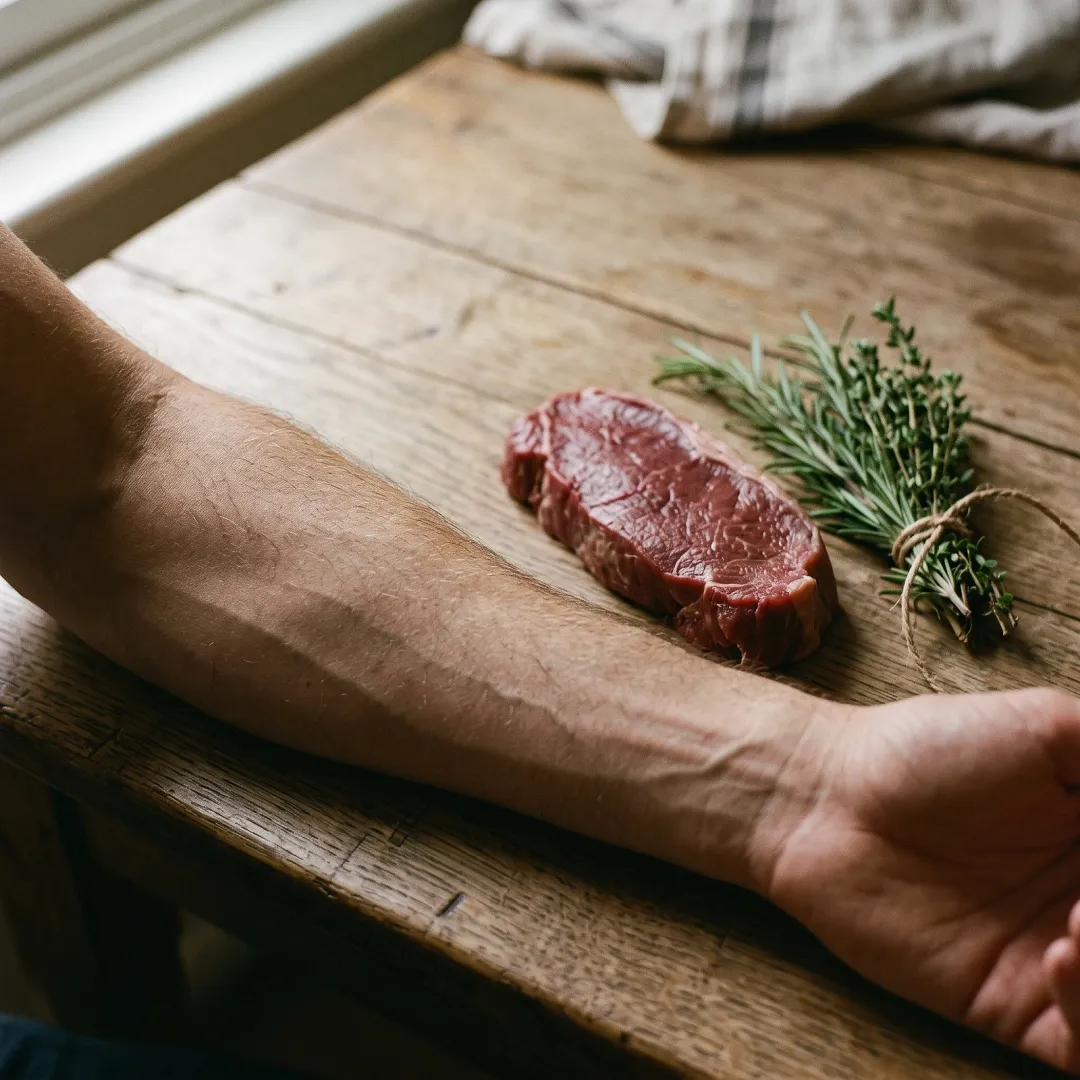

Nobody's dermatologist hands them a printout about histamine. You get a diagnosis, maybe a topical steroid, and a referral for a biologic if things get bad enough. The skin is treated like the problem. But if the skin keeps flaring no matter what you put on it, that's your body telling you the problem is somewhere else entirely.
Psoriasis Is an Immune Problem. But That's Not the Whole Story.
Psoriasis is classified as a chronic inflammatory skin condition driven by an overactive immune response. Specifically, research consistently points to dysregulation in the Th17 immune pathway, where an overproduction of cytokines like IL-17 and IL-23 accelerates skin cell turnover far faster than the body can shed those cells, producing the raised, scaly plaques most people recognize. The National Psoriasis Foundation describes it as an immune-mediated disease, not a skin disease. That distinction matters enormously, because it means the target isn't the plaque. The target is what's driving the immune dysfunction in the first place.
Conventional treatment works backwards from the symptom: suppress the immune signal with biologics, topicals, or phototherapy. For some people, that's a lifeline and I'm not here to dismiss it. Talk to your doctor. But suppression is not a root cause. And if your immune system is misfiring, there's always a reason it started misfiring. That's where histamine comes in.
What Histamine Has to Do With Your Skin
Most people hear "histamine" and think seasonal allergies. Runny nose, itchy eyes, antihistamine. Done. But histamine is a chemical messenger your body produces constantly, and it does a lot more than trigger sneezes. It regulates stomach acid, neurotransmitter signaling, sleep, and immune response. The problem starts when histamine accumulates faster than the body can break it down.
The enzyme responsible for degrading histamine in the gut is called diamine oxidase (DAO). When DAO activity is low, whether from gut damage, genetics, nutritional deficiencies, or certain foods and medications that block it, histamine builds up. That excess histamine activates mast cells, which are immune cells distributed throughout the body, including in skin tissue. Activated mast cells release more histamine, more inflammatory cytokines, and more of the very immune signals already implicated in psoriasis. A 2020 review published in the journal Frontiers in Immunology describes mast cells as key players in skin inflammation and notes their interaction with the Th17 pathway that drives psoriasis.
So the cycle looks like this: gut permeability or DAO insufficiency allows histamine to build up, mast cells activate, inflammatory cytokines spike, and the immune system punches the skin. That's a different problem than "your immune system is broken." It's a problem with what's feeding the immune system's alarm system.
The Gut-Skin Axis Is Not a Metaphor
The gut connection to psoriasis is not fringe anymore. A 2018 review in Psoriasis: Targets and Therapy found that people with psoriasis show measurable differences in gut microbiome composition compared to people without it, including lower levels of anti-inflammatory bacteria and higher levels of pro-inflammatory strains. Gut dysbiosis and intestinal permeability (what some call "leaky gut") are associated with increased systemic inflammation, and both conditions impair DAO activity, which circles right back to histamine overload.
This is the root-cause frame I work from: the skin is the last stop on a journey that usually starts in the gut. Plaques don't just appear. They are the visible end point of an internal environment that has been inflamed, often for years, through a combination of gut damage, microbial imbalance, histamine accumulation, and an immune system that has been on high alert for so long it doesn't know how to stand down.
That's not a hopeless picture. That's actually a useful one, because each of those factors has a lever.
The Protocol: Working Through the Histamine Burden in Order
This is the framework I walk through, start to finish, when looking at psoriasis through a root-cause lens. It's not a cure. It's not a prescription. It is a logical order of operations for reducing the histamine load and supporting the systems that got overwhelmed. Always work with your doctor alongside anything here.
Step 1: Get honest about your histamine input.
Before you can lower histamine, you have to see where it's coming from. High-histamine foods include anything aged, fermented, smoked, or leftovers that have been sitting in the fridge. Alcohol, especially wine and beer, is one of the highest-histamine beverages you can consume and also directly blocks DAO. Vinegar, canned fish, cured meats, and commercial bone broth (cooked for a very long time) are all high-histamine. Tomatoes, spinach, avocado, and strawberries are naturally high in histamine or histamine liberators, meaning they trigger mast cells even without containing a lot of histamine themselves.
Your journal for the next two weeks should track what you ate and when you flared. Not calories. Not macros. Just input and output.
Step 2: Switch to a low-histamine animal protein.
This step alone surprises a lot of people. Protein is essential for skin repair, immune function, and the production of DAO itself. But the form matters. Fresh venison is one of the best animal proteins for a low-histamine approach. It's a lean, wild-harvested red meat with virtually no processing, no curing, no aging practices that spike histamine. A fresh venison steak or a batch of ground venison cooked and eaten immediately (not stored as leftovers) keeps histamine exposure minimal while still delivering the amino acids and zinc that support both gut lining integrity and immune regulation.
The rule of thumb with any meat on a low-histamine protocol is this: fresh or frozen from fresh, cooked and eaten right away. The longer meat sits, whether before cooking or after, the higher the histamine content climbs.
Step 3: Support DAO directly.
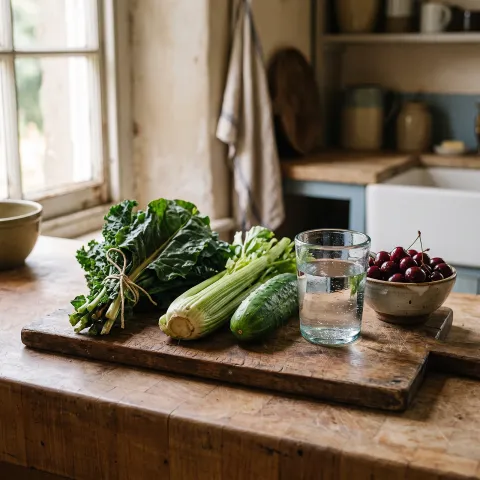
DAO production depends on several nutrients, particularly vitamin B6, copper, and vitamin C. A diet that's been stripped of variety, or one that's been propped up by processed food, often comes up short on all three. Real food sources of B6 include poultry, organ meats, and starchy vegetables like sweet potatoes. Copper comes from organ meats and shellfish. Vitamin C from fresh vegetables and low-histamine fruits like apples and blueberries.
Some people find that DAO enzyme supplements (taken before meals) help reduce reactions. Research on this is still emerging, but a 2019 study in The Journal of Physiology and Pharmacology found that DAO supplementation was associated with reduced histamine-related symptoms in people with low DAO activity. Talk to your doctor or a registered dietitian before adding any supplement, especially if you're managing psoriasis alongside other conditions.
Step 4: Repair the gut.
If the gut lining is compromised, histamine gets through that barrier more easily and DAO production suffers. The foundational work here is removing what's feeding gut inflammation: seed oils, ultra-processed food, refined sugar, and alcohol. Then layering in what supports the lining: collagen-rich broths (made fresh, not simmered for days), naturally fermented foods in small amounts once histamine tolerance improves, and a wide variety of fiber-rich vegetables to feed beneficial bacteria.
Prebiotics and probiotics have shown promise for supporting gut barrier function. Research published in Frontiers in Microbiology found that probiotic supplementation was associated with reductions in psoriasis severity scores, likely through modulation of gut microbiota and systemic inflammation. Again, specific strains, timing, and dose are a conversation for your doctor.
Step 5: Reduce the total histamine burden from non-food sources.
Food is not the only histamine driver. Environmental mold, stress, poor sleep, certain medications (including some NSAIDs and common blood pressure drugs), and hormonal fluctuations all affect histamine levels and mast-cell behavior. This is why some people find they flare even after eating "correctly." The bucket was already full before the food got there.
The practical moves here: fix sleep before anything else, because sleep deprivation raises cortisol, and cortisol drives mast-cell activation. Get any water damage in your home assessed. If you're under sustained stress, the rest of this protocol will be slower to work, because the nervous system and the immune system are in constant conversation.
What to Expect and How to Pace Yourself
This is not a two-week fix. Psoriasis that has been active for years took years to develop, and the immune system recalibrates slowly. Most people doing serious gut and histamine work start to notice changes in flare frequency and intensity within six to twelve weeks, but skin is one of the last organs to show improvement because the body prioritizes internal healing first.
Week one and two often feel harder. Removing high-histamine foods and alcohol is a significant change, and some people experience a temporary uptick in symptoms as their body adjusts. Stay the course. Keep the journal. Look for patterns, not perfection.
The goal is never a joyless, elimination-diet life sentence. The goal is to get the histamine bucket low enough that it doesn't overflow every time you eat dinner. Once the gut heals and DAO activity improves, most people can reintroduce some of the reactive foods with no problem. The strictest phase is the beginning, not the forever.
And if you're doing all of this and still not making progress, that's important information. It may mean there's another layer: a hormonal driver, a mold exposure, or an infection your body is reacting to. Those are conversations to have with a functional medicine practitioner or an integrative dermatologist who can run the right labs and look at the full picture with you.
A Word on Stewardship
The body we have is not an inconvenience. It's a gift we didn't earn, and it was designed with remarkable resilience. When it keeps sounding the alarm through the skin, the answer isn't to silence the alarm. The answer is to figure out what it's trying to tell us.
I think that's worth fighting for. Not because clear skin is the point, but because vitality is. Because when your immune system is calm and your gut is working and you're sleeping and the inflammation is low, you show up differently for everything and everyone in your life. That's the real reason to do this work.
This article is for general informational purposes only and is not medical advice. Always consult a qualified healthcare professional before making changes to your diet or health routine.
Key Takeaways
- Psoriasis is immune-mediated, not just a skin condition, and the immune dysfunction often has upstream drivers that can be addressed.
- Histamine overload and low DAO enzyme activity may contribute to the inflammatory signaling behind psoriasis flares.
- The gut-skin axis is well-supported by research: gut dysbiosis and intestinal permeability are consistently associated with psoriasis.
- Fresh, low-histamine animal proteins like venison keep histamine input low while still supplying the nutrients the body needs for repair.
- Working through histamine burden requires a specific order: reduce input, support DAO, repair the gut, and lower the total load from all sources, not just food.
- Sleep, stress, mold, and certain medications also affect histamine and mast-cell activity, and food alone may not be enough if those buckets are already full.
- Improvement is real but slow. Skin heals last. Six to twelve weeks is a realistic window for noticing initial changes.
Frequently Asked Questions
Can histamine intolerance cause psoriasis flares?
Research suggests a possible connection. Histamine activates mast cells, which are immune cells present in skin tissue, and mast cells interact with the inflammatory pathways (particularly Th17 signaling) already associated with psoriasis. When the body cannot break down histamine efficiently, often because of low DAO enzyme activity or gut permeability, histamine accumulates and may contribute to the immune activation behind flares. This is an emerging area of research, not a settled diagnosis, and it's worth discussing with a functional medicine practitioner or integrative dermatologist to get a full picture of what's driving your specific case.
What are the best low-histamine foods for psoriasis?
Fresh, unprocessed animal proteins like venison, freshly cooked chicken, and lamb are among the lowest-histamine options available. Most fresh vegetables are fine, with the exception of spinach, tomatoes, and avocado, which are high in histamine or histamine liberators. Low-histamine fruits include apples, blueberries, and pears. The key rule is fresh: histamine builds up in meat and fish as they sit, so anything aged, smoked, canned, or stored as leftovers is higher in histamine. Cooking and eating immediately keeps the load low.
What is the DAO enzyme and why does it matter for psoriasis?
Diamine oxidase (DAO) is the primary enzyme responsible for breaking down histamine in the digestive tract. When DAO activity is low, whether from gut damage, nutritional deficiencies in B6, copper, or vitamin C, or certain medications that block it, histamine accumulates rather than being cleared. That buildup may contribute to mast-cell activation and systemic inflammation. Supporting DAO through nutrient-dense real food, and in some cases DAO supplements (under medical guidance), is one of the practical levers in a root-cause approach to histamine-related inflammation.
How long does it take for gut and histamine work to affect psoriasis?
Skin is one of the last organs to reflect internal changes, because the body prioritizes healing internal systems first. Most people doing serious gut-repair and histamine-reduction work begin to notice shifts in flare frequency and intensity within six to twelve weeks, though this varies significantly depending on how long the gut has been damaged, how high histamine levels are, and whether non-food triggers like stress, mold, or sleep deprivation are also being addressed. Consistency over months, not days, is what moves the needle.
Sources
- National Psoriasis Foundation: About Psoriasis
- Frontiers in Immunology: Mast Cells in Skin Inflammation and Immunity
- Psoriasis: Targets and Therapy (Dove Press): The Gut Microbiome in Psoriasis and Psoriatic Arthritis
- Journal of Physiology and Pharmacology: Diamine Oxidase Supplementation and Histamine-Related Symptoms
- Frontiers in Microbiology: Probiotics and Psoriasis: Modulating Gut Microbiota and Systemic Inflammation
This article is for general informational purposes only and is not medical advice. Always consult a qualified healthcare professional before making changes to your diet or health routine.


Join the conversation
What do you think?
Free members can comment, reply and like. It takes ten seconds.