


Your doctor said your numbers are "borderline." Maybe they handed you a lab sheet, mentioned blood sugar, and said to watch what you eat. And you walked out of that office thinking, okay, but what does that actually mean for what I put on my plate every single morning? That's exactly what this piece is for.
What Prediabetes and Insulin Resistance Actually Are
Prediabetes and insulin resistance are not the same thing, but they are closely related, and understanding both helps you have a much more useful conversation with your doctor.
Insulin resistance is a metabolic state in which your cells stop responding normally to insulin, the hormone your pancreas releases to help glucose get out of your bloodstream and into your cells for energy. When cells become less sensitive to insulin's signal, the pancreas compensates by producing more of it. Blood glucose can stay relatively normal for a while because your body is working overtime to keep it there, but that compensation has a ceiling. According to the National Institute of Diabetes and Digestive and Kidney Diseases (NIDDK), insulin resistance is considered a core driver of prediabetes and type 2 diabetes.
Prediabetes is what a clinician identifies when blood glucose readings are higher than normal but not yet in the type 2 diabetes range. The CDC notes that more than 96 million American adults have prediabetes, and the vast majority don't know it, because there are often no obvious symptoms.
A clinician typically looks at a few different blood markers to identify where someone stands. A fasting glucose test measures blood sugar after at least eight hours without food. An A1C test reflects average blood glucose over roughly two to three months. An oral glucose tolerance test, used less commonly, measures how blood sugar responds to a measured glucose drink over two hours. Your doctor interprets those numbers in the context of your full health picture. That interpretation is their job, not something to do at home with a chart from the internet.
Who tends to show up in this picture? Research published through the NIH points to a cluster of factors that are commonly associated with insulin resistance: excess weight (particularly around the abdomen), physical inactivity, a family history of type 2 diabetes, a history of gestational diabetes, and certain hormonal conditions. Age is also a factor. But it is worth saying plainly: insulin resistance shows up in people of all sizes and all activity levels, which is part of why going by symptoms alone is unreliable. Lab work is the only way to know.
What Happens to Blood Sugar After You Eat
Every time you eat carbohydrates, your digestive system breaks them down into glucose, which enters the bloodstream. Your pancreas responds by releasing insulin. That insulin acts like a key, opening cells so glucose can move in and be used for fuel or stored.
When insulin sensitivity is compromised, that key doesn't work as well. The door doesn't open easily. Glucose stays elevated in the bloodstream longer than it should, the pancreas keeps sending more insulin, and over time the whole system gets strained.
What you eat, and when, influences how steep and fast those post-meal blood sugar spikes are. A breakfast of refined carbohydrates (think a bowl of cereal, a bagel, or a glass of juice with nothing else) hits the bloodstream quickly and with relatively little to slow it down. Protein changes that picture in a few meaningful ways, which is why breakfast is such a consequential meal for anyone managing insulin sensitivity.
Why Breakfast Specifically Is So Important
Morning is when insulin sensitivity tends to be at its most variable. Research suggests that glucose tolerance is generally better in the earlier part of the day for most people, but that also means a high-carbohydrate breakfast with little protein can send blood sugar on a sharper ride than the same meal eaten at lunch. A 2015 study published in Diabetologia found that eating a larger, protein- and fat-containing breakfast alongside a reduced carbohydrate breakfast was associated with better glycemic control over the course of the day compared to the conventional "big dinner" approach in people with type 2 diabetes.
Protein slows gastric emptying, meaning food moves through the stomach more slowly, which blunts how quickly glucose enters the bloodstream. Protein also stimulates the release of gut hormones like GLP-1 and GIP, which support insulin secretion and help signal fullness. A review in the American Journal of Clinical Nutrition noted that higher protein intake is associated with improved glycemic response and satiety, both of which are practically useful for anyone working on blood sugar balance.
Skipping breakfast, or eating one that's essentially just sugar and starch, sets up a blood sugar pattern that ripples through the rest of the day. Protein at breakfast is one of the most evidence-supported, practical levers a person can pull.
What "Enough Protein" Looks Like in a Real Meal
Recommended protein intakes vary by body weight, age, activity level, and health status, so for specific numbers that apply to your situation, your doctor or a registered dietitian is the right person to ask. What the research consistently points to is that most people, especially those with insulin resistance, are eating far less protein than would be helpful, particularly at breakfast.
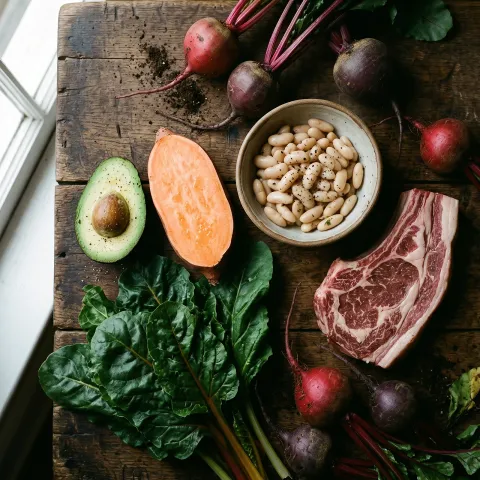
A practical goal many functional nutrition coaches point to (while deferring specific gram targets to a registered dietitian) is making protein the anchor of every meal rather than the afterthought. That means eggs, meat, fish, or a substantial amount of legumes are building the plate, with vegetables and some quality fat alongside them, rather than carbohydrates being the base and protein being sprinkled on top.
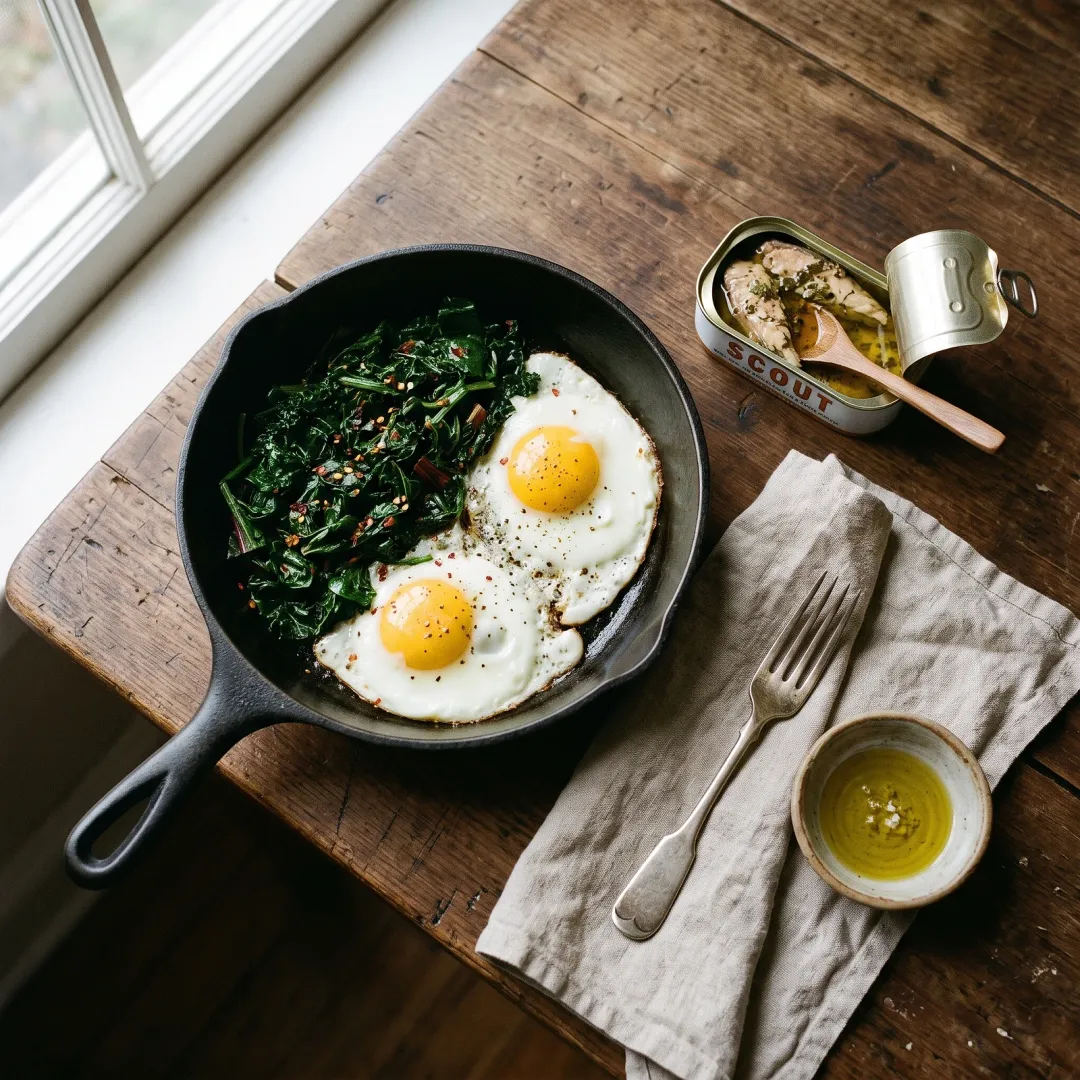
For a real-food breakfast example using oily fish (which brings its own useful nutrition alongside the protein), canned mackerel or smoked mackerel on a bed of sautéed greens with a couple of eggs is a genuinely satisfying, blood-sugar-friendlier morning meal. Mackerel is one of the most nutrient-dense and affordable oily fish available, and unlike tuna, it tends to be lower in mercury, making it reasonable to eat more frequently. The combination of protein and omega-3 fatty acids in oily fish is worth noting: a 2021 review in Nutrients found that omega-3 fatty acid intake was associated with improvements in insulin sensitivity markers, though researchers noted more large-scale trials are needed. This isn't a prescription, it's a reason to stop thinking fish is only for dinner.
Protein Timing Through the Rest of the Day
Breakfast gets a lot of attention in the blood sugar conversation, and it deserves it. But protein distribution across all meals matters too. Eating a large amount of protein in one meal and very little the rest of the day is not as effective for maintaining stable blood glucose as spreading it more evenly.
A 2014 paper in the Journal of Nutrition found that evenly distributing protein across three meals produced greater muscle protein synthesis than a skewed distribution (most protein at dinner), and muscle tissue is a primary site of glucose uptake. More metabolically active muscle mass means better insulin sensitivity over time, independent of weight loss.
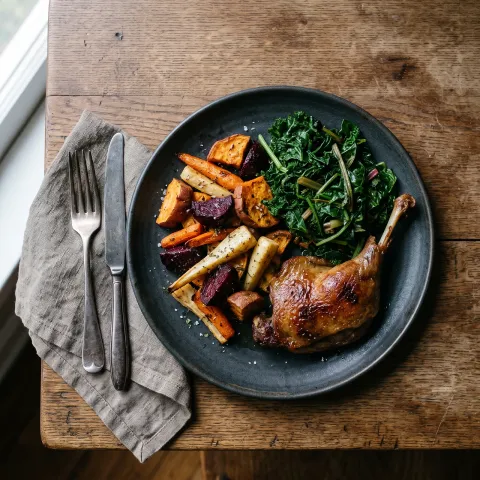
What this looks like practically: aim to have a meaningful protein source at breakfast, lunch, and dinner, rather than grazing on snacks all day or saving most of your protein for the evening meal. Lunch might be a mackerel salad with olive oil and vegetables. Dinner might be sardines or another protein of choice with roasted vegetables and some root vegetables if you tolerate them well. Snacks, if you need them, work better when they also carry some protein rather than being carbohydrate-only.
This isn't about perfection or tracking every gram. It's about building a pattern that keeps blood sugar from swinging wildly all day, so your body isn't constantly being asked to compensate.
What Else Supports Insulin Sensitivity Alongside Protein
Food is a powerful tool, and protein timing is a genuinely well-supported one. But it works best as part of a larger picture your healthcare team helps you build.
Fiber is a close partner to protein for blood sugar management. Vegetables, legumes, and some whole fruits slow glucose absorption and feed the gut microbiome, which is itself linked to metabolic health. The Harvard T.H. Chan School of Public Health notes that higher fiber intake is associated with lower risk of type 2 diabetes in population studies.
Movement matters enormously. Physical activity, especially walking after meals and any kind of resistance training, makes muscle cells more receptive to insulin's signal. The American Diabetes Association consistently emphasizes physical activity as a cornerstone of blood sugar management.
Sleep and stress are not optional footnotes either. Poor sleep is linked to impaired insulin sensitivity, and chronic stress hormones like cortisol directly affect blood glucose regulation. These aren't things food alone can fix, and they're worth raising with your doctor alongside dietary changes.
If you've been told your numbers are in the prediabetes range, please do not use this article to build a treatment plan in isolation. Bring your questions to a clinician. Ask about testing, ask about working with a registered dietitian, and ask what monitoring makes sense for your situation. What you eat can genuinely support what your healthcare team is trying to help you achieve. That's the role food plays here: support, not replacement.
Key Takeaways
- Prediabetes and insulin resistance are diagnosed through blood work, not symptoms. A clinician interprets your fasting glucose, A1C, or glucose tolerance test results in context.
- Protein at breakfast may help blunt post-meal blood sugar spikes by slowing gastric emptying and supporting insulin-related gut hormone responses.
- Spreading protein across all three meals, rather than loading it at dinner, is linked to better muscle protein synthesis and glucose uptake throughout the day.
- Oily fish like mackerel is a practical, affordable breakfast protein that also provides omega-3 fatty acids, which research links to improved insulin sensitivity markers.
- Protein works best alongside fiber, regular movement, quality sleep, and medical support, not as a standalone fix.
- Talk to your doctor or a registered dietitian about specific protein targets and monitoring that fit your individual health picture.
Frequently Asked Questions
What is the difference between prediabetes and insulin resistance?
Insulin resistance is a metabolic state where cells stop responding normally to insulin, so the pancreas produces more to compensate. Prediabetes is a clinical diagnosis made when blood glucose readings are higher than normal but not yet in the type 2 diabetes range. Insulin resistance often underlies prediabetes, but a clinician uses blood work, not symptoms, to identify where you stand.
How much protein should I eat at breakfast if I have prediabetes?
Specific protein targets depend on your body weight, age, activity level, and overall health, so this is a question for your doctor or a registered dietitian who knows your full picture. What research consistently supports is making protein the main anchor of your breakfast rather than relying primarily on carbohydrates, with eggs, fish, meat, or legumes forming the base of the meal.
Can eating more protein actually help with insulin resistance?
Research suggests that protein at breakfast is linked to blunted post-meal blood sugar spikes, partly because it slows how quickly glucose enters the bloodstream and supports insulin-related gut hormone responses. Distributing protein across all three meals, rather than eating most of it at dinner, is also associated with better glucose uptake by muscle tissue. Food is a support tool alongside medical care, not a treatment on its own.
Is oily fish a good protein choice for blood sugar balance?
Oily fish like mackerel, sardines, and herring are good sources of protein and omega-3 fatty acids. Some research suggests omega-3 intake is associated with improvements in insulin sensitivity markers, though larger trials are still ongoing. Mackerel in particular is affordable, low in mercury relative to larger fish, and practical for breakfast. Talk to your doctor or dietitian about how to fit fish into a broader dietary plan for your situation.
Sources
- NIDDK, Insulin Resistance and Prediabetes: Insulin Resistance and Prediabetes
- CDC, Prediabetes: Your Chance to Prevent Type 2 Diabetes: Prediabetes: Your Chance to Prevent Type 2 Diabetes
- NIH / NCBI, Insulin Resistance: Insulin Resistance (StatPearls)
- Diabetologia, Jakubowicz et al. 2015: High-energy breakfast with low-energy dinner decreases overall daily hyperglycemia in type 2 diabetics
- American Journal of Clinical Nutrition, Protein and Glycemic Response Review: Effect of dietary protein on postprandial blood glucose and insulin: a systematic review
- Nutrients, Omega-3 and Insulin Sensitivity 2021: The Role of Omega-3 Fatty Acids in Insulin Resistance
- Journal of Nutrition, Protein Distribution 2014: Protein Distribution and Muscle Protein Synthesis: Even vs. Skewed Distribution
- Harvard T.H. Chan School of Public Health, Fiber: Fiber, The Nutrition Source
- American Diabetes Association, Fitness: Fitness and Physical Activity for Diabetes Management
Cook for it
Start with one of these Diabetes-Friendly recipes:
- Herb-Scented Sole en Papillote over Zucchini with Garlic, Dill, and Roasted Red Onion
- Seared Beef and Roasted Kabocha Squash Salad with Basil and Garlic Oil
- Ethiopian Spiced Goat Tibs Bites with Berbere Dipping Sauce
Browse every Diabetes-Friendly recipe
This article is for general informational purposes only and is not medical advice. Always consult a qualified healthcare professional before making changes to your diet or health routine. Nothing here diagnoses, treats or cures any condition, and food is support alongside medical care, not a replacement for it. If you have, or think you may have, the condition discussed here, work with your doctor or a registered dietitian, and do not start, stop or change any medication without talking to them first.

Join the conversation
What do you think?
Free members can comment, reply and like. It takes ten seconds.